

Le minacce alla sicurezza moderne si sono evolute notevolmente con l’ampia diffusione dei veicoli aerei senza pilota (UAV) nei settori commerciale e civile. Le intrusioni non autorizzate di droni rappresentano gravi rischi per strutture sensibili, che vanno dall’industrial espionage fino a potenziali attacchi terroristici. Un dispositivo di jamming per droni costituisce un meccanismo di difesa fondamentale, interrompendo le comunicazioni tra droni non autorizzati e i loro operatori per prevenire violazioni della sicurezza. Queste sofisticate contromisure sono diventate componenti essenziali di sistemi di sicurezza completi presso installazioni governative, basi militari, aeroporti e aziende private che gestiscono informazioni classificate.

Un dispositivo di jamming per droni opera trasmettendo segnali a radiofrequenza potenti che sovraccaricano i canali di comunicazione tra i droni e i loro sistemi di controllo. La maggior parte dei droni commerciali utilizza specifiche bande di frequenza, tra cui 2,4 GHz e 5,8 GHz, per le funzioni di comando e controllo nonché per la trasmissione video. Quando un dispositivo di jamming trasmette rumore o interferenza strutturata su queste frequenze, blocca efficacemente la capacità del pilota di mantenere il controllo dell’aeromobile. Il segnale di jamming deve essere significativamente più potente del segnale di controllo legittimo per ottenere un’interruzione efficace.
L’efficacia dell’interferenza sulle radiofrequenze dipende da diversi fattori, tra cui la potenza di trasmissione, antenna progettazione e condizioni ambientali. I sistemi professionali di jamming possono generare interferenze su più bande di frequenza contemporaneamente, garantendo una copertura completa contro vari modelli e produttori di droni. I sistemi avanzati integrano inoltre antenne direzionali che concentrano l’energia di jamming verso obiettivi specifici, riducendo al minimo le interferenze con le comunicazioni wireless legittime nell’area circostante.
I moderni sistemi di jamming per droni integrano sofisticate capacità di elaborazione del segnale per identificare e classificare le minacce aeree prima di attivare le contromisure. Questi dispositivi monitorano continuamente lo spettro elettromagnetico alla ricerca di firme caratteristiche associate ai protocolli di comunicazione dei droni. Algoritmi di apprendimento automatico analizzano i modelli di segnale per distinguere tra aeromobili autorizzati e non autorizzati, riducendo i falsi positivi e migliorando l’efficienza operativa.
Gli algoritmi di rilevamento esaminano molteplici caratteristiche del segnale, inclusi i modelli di modulazione, le sequenze di salto di frequenza e i tempi di trasmissione. Questa analisi consente al personale addetto alla sicurezza di identificare specifici modelli di droni e prevedere i loro probabili schemi comportamentali. Alcuni sistemi avanzati di disturbo riescono persino a decodificare i comandi di controllo per determinare la traiettoria di volo prevista del drone e i suoi obiettivi operativi, fornendo informazioni preziose per le valutazioni sulla sicurezza.
Strutture sensibili appartenenti a diversi settori industriali hanno implementato tecnologie di disturbo per droni al fine di proteggere operazioni critiche e informazioni riservate. Le centrali nucleari utilizzano tali sistemi per impedire sorveglianze non autorizzate e potenziali tentativi di sabotaggio che potrebbero compromettere i sistemi di sicurezza del reattore. La precisione richiesta per la protezione delle strutture nucleari impone l’impiego di dispositivi di disturbo in grado di creare zone di difesa stratificate, con livelli variabili di intensità di interferenza.
Gli edifici governativi e le installazioni militari rappresentano i principali obiettivi per operazioni di raccolta di informazioni basate su droni. Il dispiegamento completo di dispositivi anti-droni crea barriere protettive intorno ad aree classificate, impedendo missioni ostili di ricognizione e attività di raccolta dati. Queste implementazioni si integrano spesso con le infrastrutture di sicurezza esistenti, inclusi sistemi radar, sensori ottici e meccanismi di risposta automatica che coordinano le azioni difensive su più domini.
Le società private che gestiscono proprietà intellettuale sensibile riconoscono sempre più la necessità di contromisure anti-droni per proteggere i propri vantaggi competitivi. I centri di ricerca e sviluppo, gli impianti produttivi e le sedi centrali aziendali impiegano sistemi di disturbo per prevenire lo spionaggio industriale e la fotografia non autorizzata di processi proprietari. Il settore finanziario trae particolare beneficio da queste misure protettive, poiché la sorveglianza tramite droni potrebbe compromettere le strategie di trading e la riservatezza dei clienti.
I luoghi di intrattenimento e gli stadi sportivi implementano soluzioni di disturbo per droni per garantire la sicurezza pubblica durante grandi raduni. I droni non autorizzati rappresentano un rischio non solo per il potenziale trasporto di armi, ma anche per il panico che potrebbero scatenare tra le folle. Gli impianti professionali di disturbo forniscono alle squadre di sicurezza strumenti affidabili per neutralizzare le minacce aeree, mantenendo al contempo canali di comunicazione chiari per i soccorritori d'emergenza e le operazioni autorizzate di aeromobili.
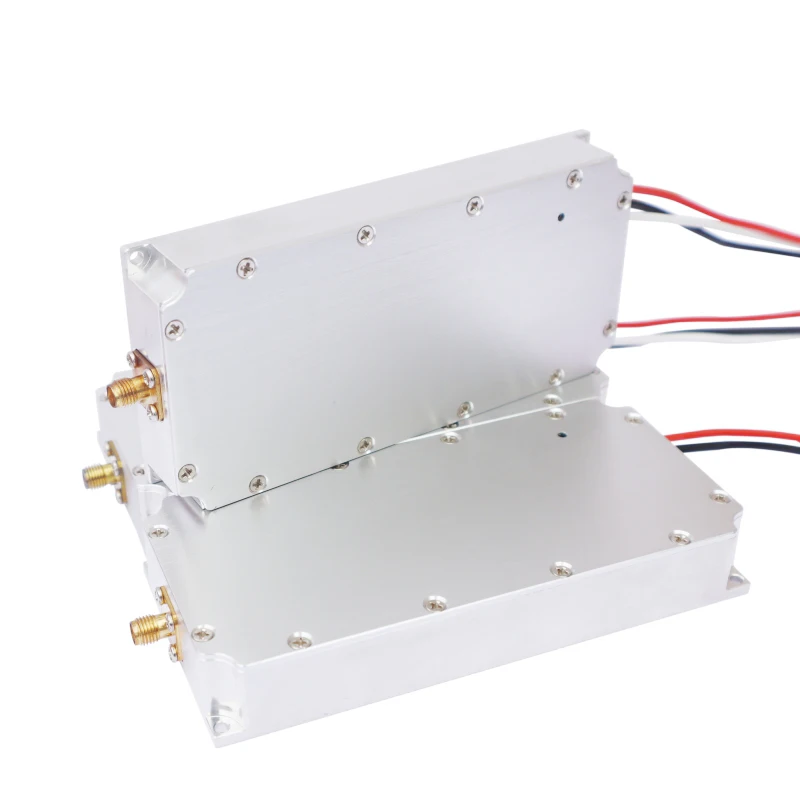
Una protezione efficace contro i droni richiede capacità di jamming su più bande di frequenza utilizzate da diversi sistemi di aeromobili a pilotaggio remoto. I droni consumer standard operano tipicamente sulle frequenze 2,4 GHz e 5,8 GHz, mentre i sistemi professionali e militari possono utilizzare ulteriori bande, tra cui 433 MHz, 915 MHz e varie frequenze GPS. Un sistema completo dispositivo di disturbo per droni deve fornire una potenza di uscita sufficiente su tutte le bande di frequenza rilevanti per garantire una neutralizzazione affidabile delle minacce.
Le capacità di jamming GPS rappresentano un componente cruciale dei moderni sistemi anti-droni, poiché la maggior parte dei droni commerciali si affida in larga misura alla navigazione satellitare per le operazioni di volo autonome. Interrompendo i segnali GPS, i dispositivi di jamming possono forzare i droni a passare in modalità di sicurezza (failsafe), che di norma comportano un atterraggio immediato o il ritorno al punto di partenza (return-to-home). Questo approccio multibanda garantisce una protezione completa sia contro operazioni di drone controllate manualmente sia contro quelle autonome.
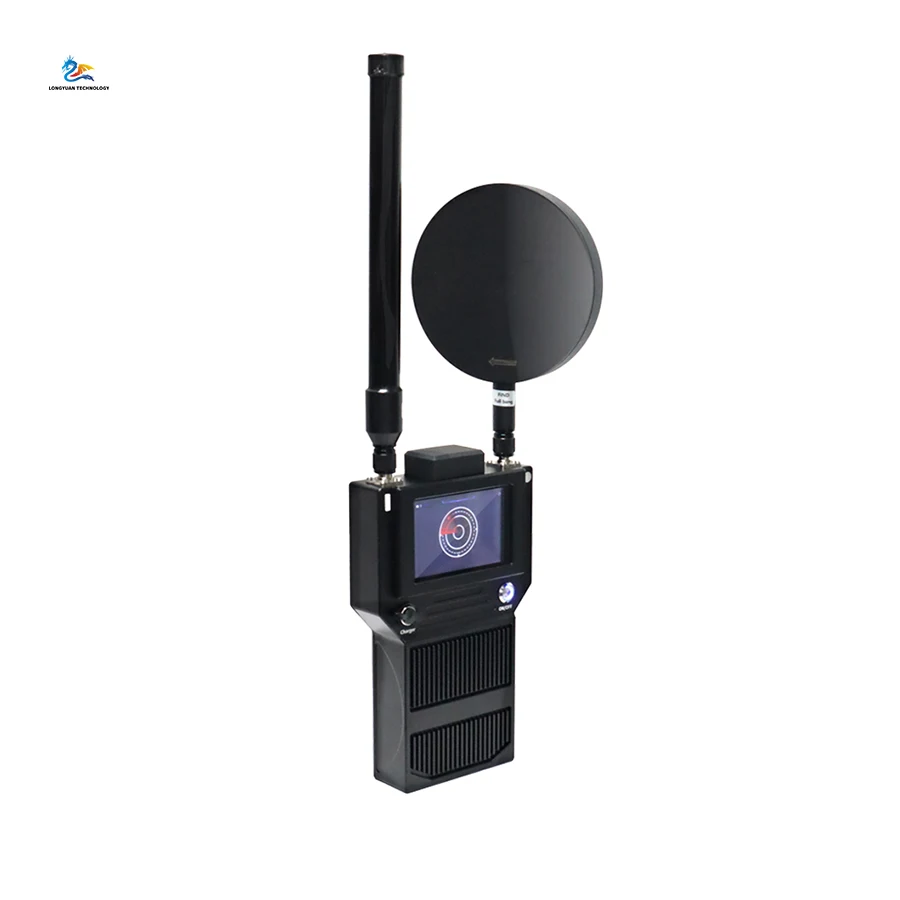
L'autonomia efficace di un dispositivo di disturbo per droni varia notevolmente in base alla potenza di trasmissione, alla configurazione dell'antenna e ai fattori ambientali. Portatili portatile le unità forniscono tipicamente un raggio d'azione compreso tra 100 e 500 metri, rendendole adatte a interventi immediati contro minacce e a operazioni di sicurezza mobili. I sistemi a installazione fissa possono raggiungere portate superiori a diversi chilometri, creando zone di protezione intorno all'intero perimetro delle strutture.
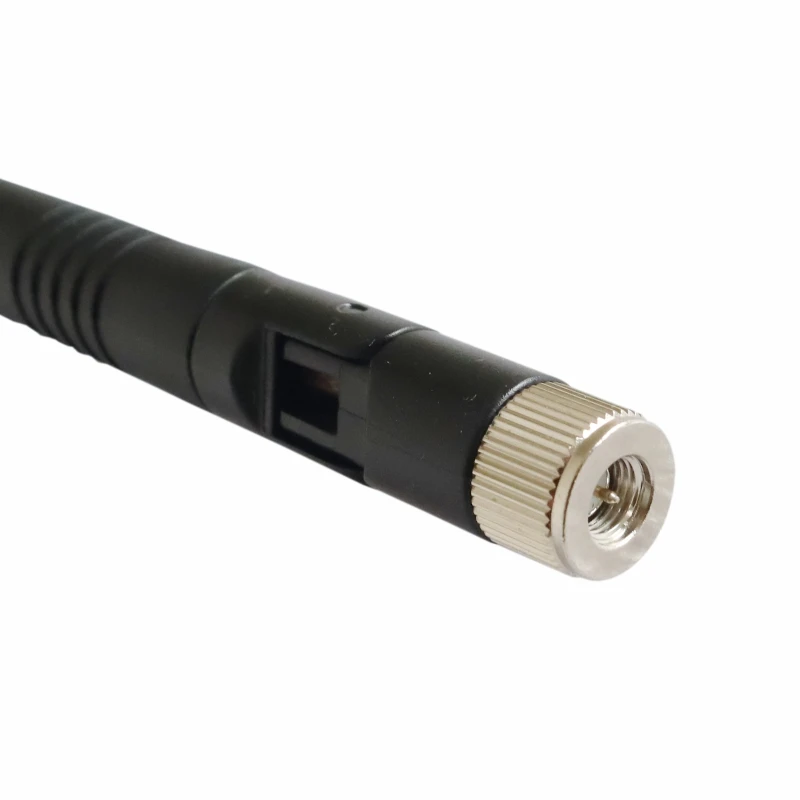
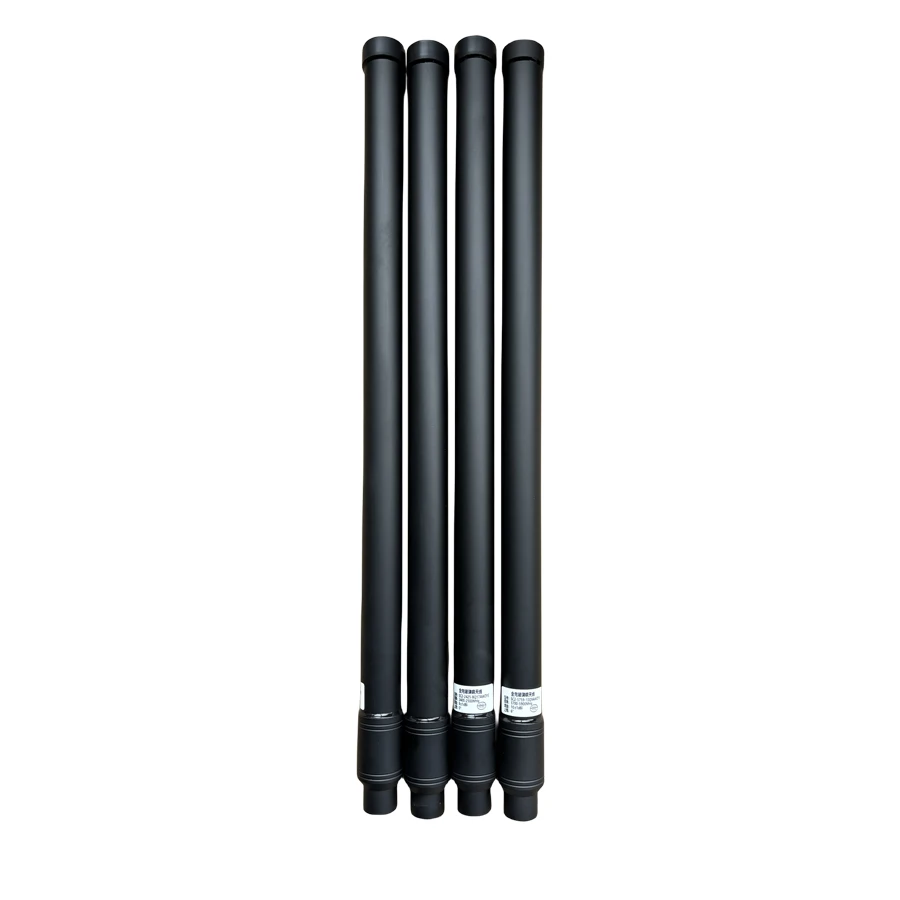
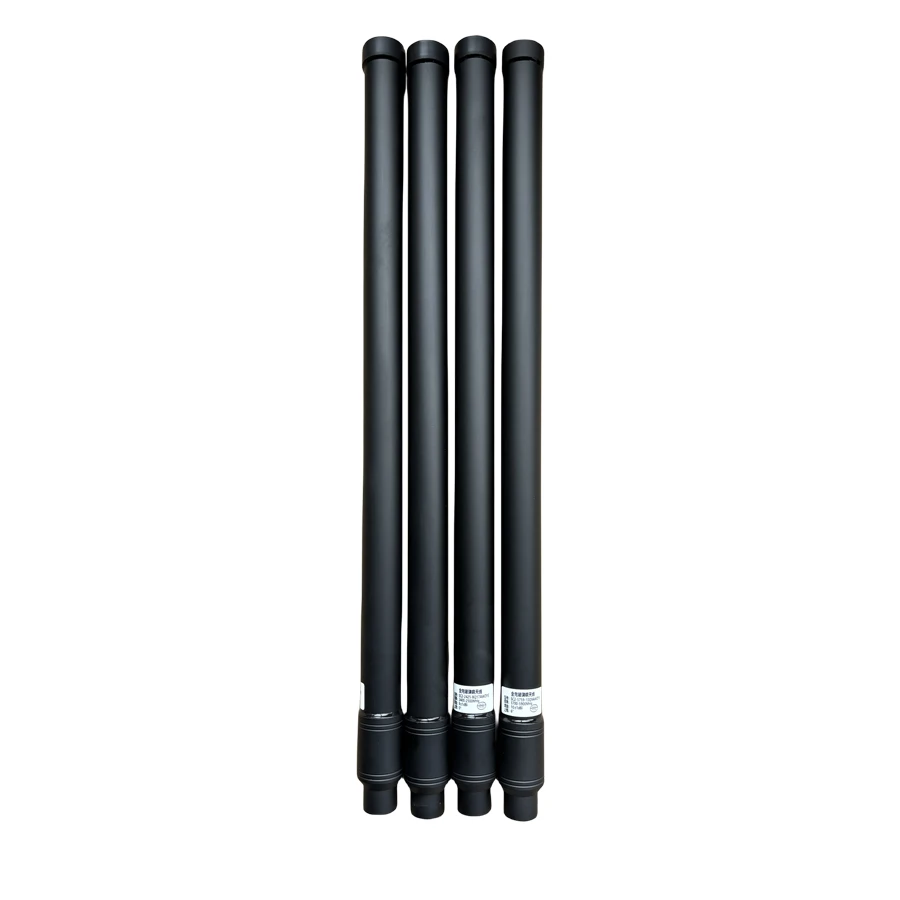
La progettazione dell'antenna svolge un ruolo fondamentale nella determinazione dei modelli di copertura e dell'efficacia della jamming. Le antenne omnidirezionali offrono una protezione a 360 gradi, ma potrebbero subire una riduzione della portata rispetto ai sistemi direzionali. Le antenne direzionali ad alto guadagno concentrano l'energia di jamming verso specifici vettori di minaccia, massimizzando la portata efficace e minimizzando al contempo le interferenze con le comunicazioni wireless legittime. Gli impianti avanzati spesso combinano diverse configurazioni di antenna per ottenere modelli di copertura ottimali, personalizzati in base alla specifica disposizione degli impianti e alle valutazioni delle minacce.
L'installazione e l'utilizzo di dispositivi di disturbo per droni devono rispettare rigorosi quadri normativi stabiliti dalle autorità competenti in materia di telecomunicazioni nelle rispettive giurisdizioni. Negli Stati Uniti, la Federal Communications Commission esercita un controllo rigoroso sui dispositivi di disturbo delle frequenze radio, con specifiche deroghe per applicazioni autorizzate destinate a enti governativi e forze dell'ordine. Le organizzazioni private richiedono generalmente una licenza speciale e una coordinazione con gli organismi di regolamentazione per poter operare legalmente sistemi di disturbo.
Le variazioni normative internazionali creano complesse sfide in termini di conformità per le organizzazioni multinazionali che implementano misure di sicurezza anti-droni. Gli Stati membri dell'Unione Europea applicano restrizioni diverse sull’uso dei dispositivi di disturbo, con alcuni paesi che ne vietano completamente l’impiego da parte dei civili, mentre altri ne consentono applicazioni limitate in determinate circostanze. Le organizzazioni devono valutare attentamente la normativa locale e ottenere le autorizzazioni appropriate prima di impiegare tecnologie di disturbo dei droni nelle proprie operazioni internazionali.
Un funzionamento responsabile dei sistemi di jamming per droni richiede programmi formativi completi e protocolli operativi consolidati, al fine di ridurre al minimo le interferenze con le comunicazioni wireless legittime. Il personale addetto alla sicurezza deve conoscere le procedure di coordinamento delle frequenze e mantenere un’adeguata consapevolezza della presenza di aeroporti, servizi di emergenza e infrastrutture critiche per le comunicazioni nelle vicinanze. Un coordinamento regolare con le autorità locali dell’aviazione garantisce che le operazioni di jamming non influiscano accidentalmente sugli aeromobili commerciali o sulle capacità di risposta alle emergenze.
Le procedure di documentazione e di segnalazione degli incidenti forniscono una supervisione essenziale per l’impiego dei sistemi di jamming. Le organizzazioni devono conservare registri dettagliati attivazioni del jamming, inclusi valutazioni della minaccia, tempi di risposta e valutazioni dell’efficacia. Queste informazioni supportano gli sforzi di miglioramento continuo e dimostrano la conformità ai requisiti normativi durante audit e ispezioni.
Un'efficace mitigazione delle minacce provenienti da droni richiede l'integrazione della tecnologia di jamming all'interno di architetture di sicurezza più ampie, che includono capacità di rilevamento, tracciamento e risposta. I sistemi radar forniscono avvisi precoci e dati di tracciamento che consentono ai team di sicurezza di valutare le minacce e dispiegare le contromisure appropriate. I sistemi di imaging ottico e termico integrano i metodi di rilevamento elettronico fornendo una conferma visiva degli obiettivi aerei e supportando le procedure di valutazione dei danni.
L'integrazione del comando e del controllo garantisce risposte coordinate su più domini di sicurezza. I moderni centri operativi per la sicurezza possono attivare automaticamente i dispositivi di jamming contro i droni in base a criteri di minaccia predefiniti, avvisando contestualmente il personale addetto alla sicurezza e avviando ulteriori misure protettive. Questa capacità di risposta automatizzata riduce i tempi di reazione e migliora l'efficacia complessiva della sicurezza durante incidenti critici.
Le misure di sicurezza a terra devono coordinarsi con i sistemi anti-droni per fornire una protezione completa contro attacchi multi-vettore. I sistemi di rilevamento perimetrale possono identificare potenziali siti di lancio di droni e le posizioni degli operatori, consentendo ai team di sicurezza di intervenire direttamente alla fonte della minaccia. Questo coordinamento impedisce agli avversari di semplicemente riposizionare le operazioni con droni in aree esterne alle zone coperte dalle operazioni di jamming.
I protocolli di risposta alle emergenze devono tenere conto dell’impatto potenziale delle operazioni di jamming sui sistemi di comunicazione utilizzati dal personale addetto alla sicurezza e dai soccorritori. Canali di comunicazione dedicati e sistemi di backup garantiscono la continuità delle capacità di coordinamento durante le operazioni attive di jamming. Esercitazioni periodiche verificano tali procedure e individuano possibili miglioramenti dei protocolli di risposta.
I dispositivi di jamming per droni di nuova generazione integrano sempre più funzionalità basate sull'intelligenza artificiale per migliorare l'accuratezza del rilevamento delle minacce e l'efficacia della risposta. Gli algoritmi di apprendimento automatico analizzano grandi quantità di dati provenienti dallo spettro elettromagnetico per identificare le nuove tecnologie di droni e i relativi protocolli di comunicazione. Questi sistemi si adattano continuamente a nuove minacce senza richiedere aggiornamenti manuali o modifiche alla configurazione.
L'analisi predittiva consente una valutazione proattiva delle minacce analizzando modelli storici e fattori ambientali che influenzano le operazioni dei droni. I sistemi basati sull'intelligenza artificiale possono anticipare i probabili vettori di attacco e predisporre in anticipo le contromisure per massimizzare l'efficacia difensiva. Questa capacità diventa particolarmente preziosa durante eventi di rilievo o in condizioni di minaccia elevata, quando gli avversari potrebbero impiegare strategie d'attacco sofisticate.
Le tecnologie emergenti anti-droni vanno oltre i tradizionali approcci di jamming includendo armi a energia diretta, sistemi di cattura con reti e capacità di guerra cibernetica. I sistemi basati su microonde possono disabilitare l’elettronica dei droni senza causare danni collaterali alle apparecchiature circostanti. Queste soluzioni a energia diretta offrono capacità di puntamento preciso che minimizzano le interferenze con le comunicazioni wireless legittime, garantendo al contempo una neutralizzazione affidabile delle minacce.
I contro-misure basate sulla cybersicurezza rappresentano un settore in rapida espansione nello sviluppo delle tecnologie anti-droni. Questi sistemi sfruttano le vulnerabilità nel software e nei protocolli di comunicazione dei droni per acquisire il controllo di aeromobili ostili. A differenza degli approcci di jamming, che semplicemente interrompono le comunicazioni, le contro-misure cibernetiche possono potenzialmente deviare i droni verso aree di atterraggio sicure oppure estrarre informazioni sugli eventuali piani di attacco e sull’identità degli operatori.
L'autonomia efficace varia notevolmente a seconda del tipo di dispositivo di disturbo e della sua potenza in uscita. Le unità portatili manuali forniscono tipicamente una copertura compresa tra 100 e 500 metri, mentre i sistemi fissi installati possono raggiungere portate di diversi chilometri. Fattori ambientali quali il terreno, le condizioni meteorologiche e le interferenze elettromagnetiche possono influenzare le effettive prestazioni in termini di portata.
I requisiti normativi variano a seconda della giurisdizione, ma nella maggior parte dei paesi l'uso civile di apparecchiature di disturbo è soggetto a regolamentazione rigorosa o addirittura vietato. Negli Stati Uniti, la FCC vieta generalmente l'impiego di dispositivi di disturbo da parte di privati, con specifiche deroghe per applicazioni governative e autorizzate delle forze dell'ordine. Le organizzazioni devono consultare le autorità locali competenti in materia di telecomunicazioni prima di installare sistemi anti-droni basati sul disturbo.
Sì, i dispositivi di disturbo possono potenzialmente interferire con comunicazioni wireless legittime che operano su bande di frequenza simili. I sistemi professionali integrano antenne direzionali e funzioni di controllo della potenza per ridurre al minimo le interferenze collaterali. Procedure corrette di installazione e utilizzo contribuiscono a garantire che le attività di disturbo non interrompano infrastrutture critiche per le comunicazioni o servizi di emergenza.
I tempi di risposta dipendono dalle capacità di rilevamento e dalle procedure di attivazione del sistema. I sistemi automatizzati possono iniziare il disturbo entro pochi secondi dal rilevamento della minaccia, mentre l’attivazione manuale può richiedere ulteriore tempo per la valutazione della minaccia e l’autorizzazione. La maggior parte dei droni perderà il controllo ed entrerà nelle modalità di sicurezza entro 10–30 secondi dall’inizio efficace del disturbo, sebbene i tempi esatti varino in base al modello di drone e alle condizioni di volo.
Shenzhen Longyuan Technology fornisce sistemi intelligenti anti-drone per aeroporti, stadi e infrastrutture critiche. Rilevamento RF in tempo reale, tracciamento e jamming con antenne ad alto guadagno e soluzioni personalizzate. Fidato dalle squadre di sicurezza internazionali.
Edificio A, Kaishangde Industrial Park, n. 1 Xinghua Road, Pingdi Sub-district, Longgang District, Shenzhen City
Copyright © 2026 Shenzhen Longyuan Technology Co., Ltd. Tutti i diritti riservati. Informativa sulla privacy
 EN
EN

 Ultime notizie