Moderne forsvarssystemer står overfor uten likeverdige utfordringer fra ubemannede luftfartøy som kan trenge inn i begrensede luftrom, gjennomføre overvåkningsoperasjoner eller levere skadelige laster. Framveksten av sofistikerte droneforstyrrelsesteknologi har blitt avgjørende for militære anlegg, offentlige bygninger og beskyttelse av kritisk infrastruktur. Disse avanserte mottiltakssystemene gir pålitelige forsvarsmechanismer ved å forstyrre kommunikasjonsforbindelser mellom operatører og deres luftbaserte enheter, og nøytraliserer dermed potensielle trusler effektivt før de kan true sikkerhetsperimeterne.

Droneforstyrrelsesteknologi virker på grunnleggende prinsipper for radiobølgeforstyrrelser som tar sikte på spesifikke kommunikasjonsbånd som brukes av ubemannede luftfartøy. Disse sofistikerte enhetene genererer kraftige elektromagnetiske signaler over flere frekvensområder, inkludert 2,4 GHz, 5,8 GHz og GPS-bånd som vanligvis brukes av kommersielle og militære droner. Forstyrrelsesprosessen innebär å sende ut støy eller strukturerte forstyrrelsesmønstre som overveldiger de opprinnelige kontrollsignalene, og skaper kommunikasjonsavbrudd mellom bakkestasjoner og luftbårne mål.
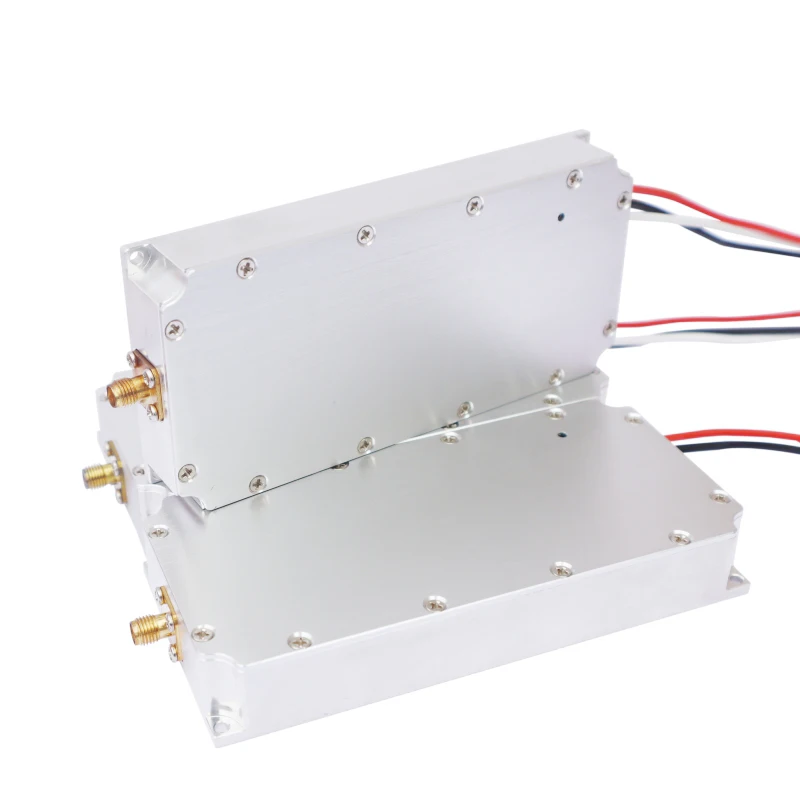
Avanserte signalbehandlingsalgoritmer gjør at moderne droneforstyrrelsesteknologi kan identifisere og isolere spesifikke dronesignaturer samtidig som den minimerer forstyrrelser av lovlige kommunikasjonsinfrastrukturer. Flere-bånd-kapasitet sikrer omfattende dekning over ulike dronetyper, fra amatørkvadrokoptere til militærkvalitets etterretningsplattformer. Effektiviteten til disse systemene avhenger av effekten på utgangen, antenne design og sofistikerte frekvensstyringsprotokoller som tilpasser seg endrende trusselnivåer.
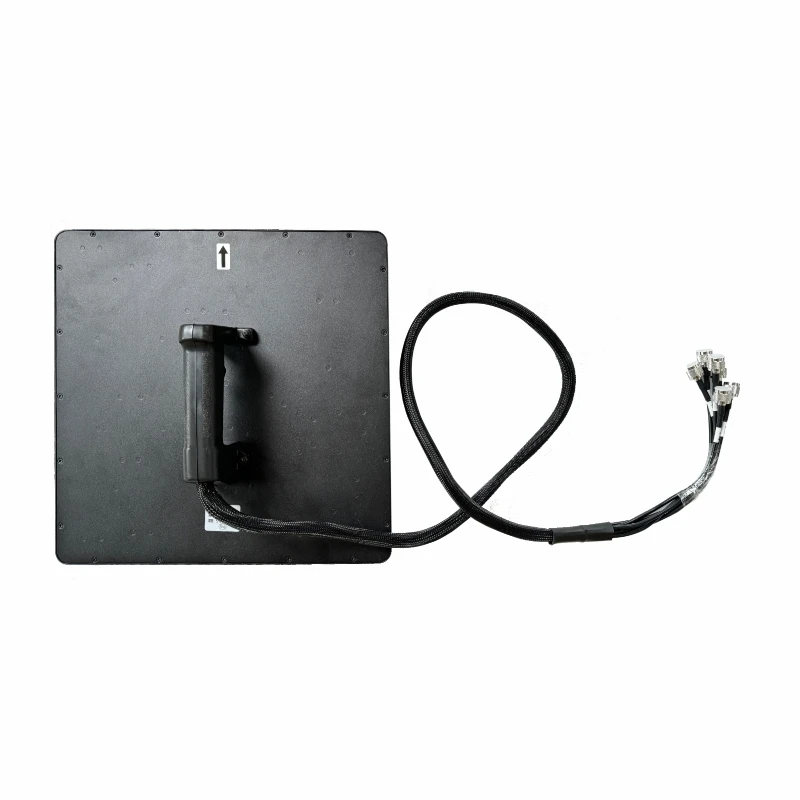
Moderne droneforstyrrelsesteknologi inneholder avanserte funksjoner for retningsbestemt stråledannelse, som fokuserer elektromagnetisk energi mot spesifikke trusselvektorer samtidig som kommunikasjonsintegriteten i omkringliggende områder bevares. Fasejusterbare antennesystemer muliggjør nøyaktig målretting av enkelt-droner uten å skape omfattende kommunikasjonsforstyrrelser over hele det beskyttede anlegget. Disse fokuserte forstyrrelsesstrålene kan følge bevegelige mål og opprettholde effektiv signalforstyrrelse selv når truslene manøvrerer gjennom komplekse luftromsmiljøer.
Strålestyringsalgoritmer beregner kontinuerlig optimale interferensmønstre basert på sanntidsdata om trusselvurdering, noe som sikrer maksimal effektivitet samtidig som tilfeldige kommunikasjonsforstyrrelser minimeres. Nøyaktige målrettingsfunksjoner i moderne droneforstyrrelsesteknologi gir sikkerhetspersonell mulighet til å nøytralisere spesifikke trusler, mens driftskommunikasjonen opprettholdes for autorisert personell og utstyr innenfor det beskyttede området.
Droneforstyrrelsesteknologi av militær klasse må tåle ekstreme miljøforhold, inkludert temperatursvingninger, fuktighet, elektromagnetisk forstyrrelse og fysisk sjokk fra nærliggende eksplosjoner eller utstyrsvibrasjoner. Robuste kabinetter beskytter følsomme elektroniske komponenter mot hardt vær og sikrer kontinuerlig drift under kritiske sikkerhetssituasjoner. Disse systemene gjennomgår omfattende testprosedyrer som simulerer feltforhold, og bekrefter påliteligheten til ytelsen i ulike operative miljøer.
Termisk styringssystemer opprettholder optimale driftstemperaturer for følsomme radiofrekvenskomponenter og forhindrer ytelsesnedgang under lengre driftsperioder. Tette innkapslinger med avanserte filtreringssystemer beskytter interne elektronikkomponenter mot støv, fuktighet og korrosive stoffer som kan påvirke systemets pålitelighet. De robuste konstruksjonsstandardene sikrer at droneforstyrrelsesteknologi forblir i drift under lengre utplasseringsperioder uten behov for hyppige vedlikeholdsintervensjoner.
Pålitelig strømstyring utgjør en kritisk komponent av effektiv droneforstyrrelsesteknologi, spesielt i fjerne innsatsområder der strømforsyningen fra nettet kan være utilgjengelig eller upålitelig. Avanserte batteribakkesystemer sikrer uavbrutt drift under strømavbrudd og gir dermed kontinuerlig beskyttelse når truslene er mest sannsynlig å utnytte sikkerhetssvakheter. Intelligente strømstyringsalgoritmer optimaliserer energiforbruket samtidig som de opprettholder full driftskapasitet på alle forstyrrelsesfrekvenser.
Solaladningsfunksjonalitet og integrasjon av bærbare generatorer utvider driftsvarigheten for droneforstyrrelsesteknologi som er plassert på fremoverplasserte operasjonsbasen eller midlertidige sikkerhetsinstallasjoner. Redundante strømforsyningssystemer eliminerer enkeltfeilpunkter og sikrer at kritiske mottiltaksfunksjoner opprettholdes, selv om primære strømkilder opplever avbrott. Disse omfattende strømstyringsfunksjonene sikrer konsekvent ytelsesreliabilitet uavhengig av innsatssted eller varighet.
Moderne droneforstyrrelsesteknologi inneholder sofistikerte trusseldeteksjonsalgoritmer som automatisk identifiserer og klassifiserer napproende ubemannede luftfartøy basert på deres radiobølge-signaturer, flymønstre og elektromagnetiske egenskaper. Maskinlæringsystemer oppdaterer kontinuerlig trusseldatabasene, noe som forbedrer gjenkjenningsnøyaktigheten og reduserer falske positive responsar som kunne forstyrre lovlige luftfartsaktiviteter. Evnen til å analysere i sanntid gjør det mulig å aktivere umiddelbar respons når reelle trusler oppdages innenfor beskyttet luftrom.
Avansert sensordatafusjon kombinerer radardata, overvåking av radiobølger og akustiske deteksjonssystemer for å skape omfattende situasjonsbevissthet for operatører av droneforstyrrelsesteknologi. Integrering av flere sensorer gir redundans i trusselbekreftelse, noe som sikrer pålitelig oppdagelse selv når enkeltsensorsystemer presterer dårligere på grunn av værforhold eller elektroniske mottiltak brukt av sofistikerte fiender.
Rask inngripsevne definerer effektiviteten til droneforstyrrelsesteknologi i høyrisikoforsvars-scenarier der sekunder kan avgjøre om en oppgave lykkes eller mislykkes. Automatiserte aktiveringssystemer eliminerer forsinkelser knyttet til menneskelig reaksjon og setter i gang mottiltak innen millisekunder etter at en trussel er bekreftet. Forhåndskonfigurerte responsprotokoller muliggjør umiddelbar utplassering av passende forstyrrelsesmønstre basert på trusseltypen, angrepsretningen og nærheten til kritisk infrastruktur.
Kontinuerlig systemovervåking sikrer at dronestøytteknologi opprettholder toppklare beredskapsnivåer, med innebygde diagnostiske systemer som bekrefter driftstilstanden for alle kritiske komponenter. Prediktive vedlikeholdsalgoritmer identifiserer potensielle systemproblemer før de påvirker driftssikkerheten, og planlegger forebyggende vedlikehold i perioder med lav trussel for å opprettholde maksimal tilgjengelighet når beskyttelse er mest nødvendig.
Sømløs integrasjon med eksisterende kommando- og kontrollinfrastruktur gjør det mulig for dronestøytteknologi å fungere som en del av omfattende, flerlagete forsvarssystemer. Standardiserte kommunikasjonsprotokoller muliggjør sanntidskoordinering med radarsystemer, sikkerhetskameraer og personellutplasseringssystemer for en enhetlig trusselrespons. Sentraliserte overvåkningsfunksjoner gir sikkerhetsoperatører full situasjonsbevissthet på tvers av flere beskyttelsessoner og mottiltakssystemer.
Funksjoner for nettverkskobling muliggjør fjernovervåking og -kontroll av droneforstyrrelsesteknologi fra sikre kommandosentre, noe som tillater rask koordinering av respons over geografisk spredte anlegg. Integrerings-API-er forenkler tilkoblingen til eksisterende plattformer for sikkerhetsstyring, slik at aktivering av mottiltak er i tråd med bredere sikkerhetsprotokoller og eskaleringsprosedyrer som er etablert av forsvarsorganisasjoner.
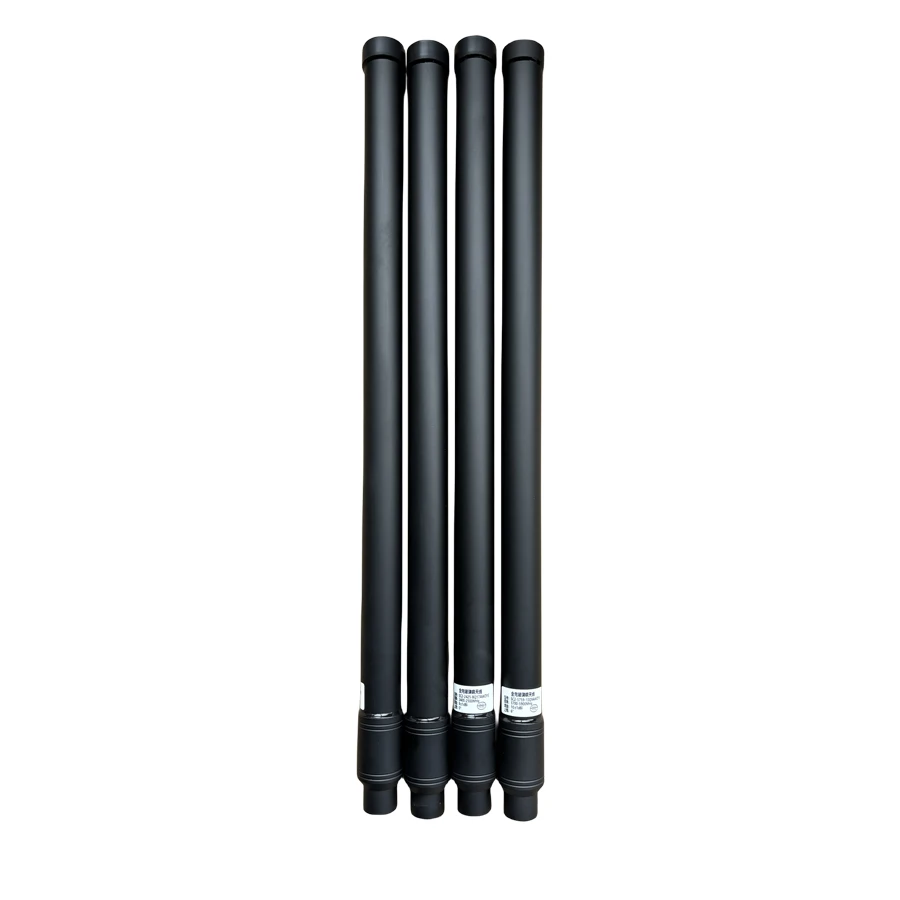
Modulære systemarkitekturer gjør det mulig å skalere droneforstyrrelsesteknologi fra beskyttelse av små anlegg til omfattende områdeforbudskapasiteter som dekker omfattende militære anlegg eller kritiske infrastrukturkomplekser. Utvidbare antennearrayer og prosesseringseenheter tillater gradvis forbedring av kapasiteten etter hvert som trusselnivået endres eller beskyttede områder utvides. Standardiserte komponentgrensesnitt forenkler rask omkonfigurering av systemet for å møte endrede operative krav uten behov for full systemutskiftning.
Distribuerte distribusjonsalternativer gjør det mulig for dronedempingsteknologi å opprette overlappende beskyttelsessoner som eliminerer dekningshull samtidig som de gir redundante mottiltaksfunksjoner. Mesh-nettverk mellom enkelte dempeenheter skaper robuste kommunikasjonsnettverk som opprettholder operativ effektivitet, selv når enkelte komponenter opplever feil eller blir målrettet av fienden.
Innføring av dronedempingsteknologi krever nøye vurdering av reguleringer som styrer bruken av radiofrekvensspekteret, slik at mottiltaksoperasjoner er i samsvar med nasjonale og internasjonale telekommunikasjonsstandarder. Lisenserte driftsprosedyrer forhindrer forstyrrelser av luftfartskommunikasjon, nødetater og sivile telekommunikasjonsinfrastruktur. Samarbeid med reguleringmyndigheter sikrer at lovlige dempeoperasjoner får passende spektertildelinger og unngår konflikter med andre autoriserte brukere av radiofrekvenser.
Frekvenskoordineringsdatabaser gir operatører av dronestøyteteknologi mulighet til å bekrefte at spekteret er ledig før aktivering, noe som forhindrer utilsiktet interferens med kritiske kommunikasjonssystemer. Automatisert etterlevelsesovervåking sikrer at støyoperasjoner holdes innenfor godkjente frekvensbånd og effektgrenser, og opprettholder regulativ etterlevelse gjennom lengre driftsperioder.
Lovrammene for utplassering av dronestøyteteknologi varierer betydelig mellom jurisdiksjoner, og det kreves derfor nøye samordning med de relevante myndighetene før systemaktivering. Militære anlegg opererer vanligvis under andre regulative rammeverk enn sivile anlegg, med spesialiserte autoriseringsprosedyrer for utplassering av mottiltak i bebodde områder. Tydelige driftsveiledninger sikrer at sikkerhetspersonell forstår de lovmessige begrensningene og autoriseringskravene for en effektiv trusselrespons.
Dokumentasjonskrav for dronestøynings-teknologidrift inkluderer rapportering av hendelser, loggføring av frekvensbruk og vurderinger av effektivitet som demonstrerer overholdelse av regulatoriske krav. Juridiske gjennomgangsprosesser sikrer at protokoller for utplassering av mottiltak er i samsvar med den utviklende lovgivningen om mottiltak mot ubemannede luftfartøy og forvaltning av det elektromagnetiske spekteret.
Moderne droneforstyringsteknologi innebär sofistikert frekvensselektivitet og rettningsbestemte egenskaper som minimerer forstyrrelser av andre elektroniske enheter. Avanserte systemer tar sikte på spesifikke frekvensbånd som brukes av droner, samtidig som de unngår forstyrrelser av mobilkommunikasjon, WiFi-nettverk og andre kritiske elektroniske systemer. Riktig systemkonfigurasjon og implementeringsprotokoller sikrer at mottiltakene fokuserer forstyrrelsesvirkningene på truende droner, mens normal funksjonalitet for elektroniske enheter i omkringliggende områder bevares.
Det effektive rekkeviddeområdet for droneforstyrrelsesteknologi varierer betydelig avhengig av systemets effektoppgang, antenneutforming, måldronens egenskaper og miljøforhold. Systemer av profesjonell kvalitet oppnår typisk effektive rekkevidder fra flere hundre meter til flere kilometer, der retningsspesifikke systemer gir utvidet rekkevidde i fokuserte strålemønstre. Rekkeviddeeffektiviteten avhenger av faktorer som terreng, værforhold og de spesifikke radiobåndene som forstyrrer.
Avansert droneforstyringsteknologi innebär intelligente deteksjonssystemer som kan identifisere autoriserte droner ved hjelp av ulike metoder, blant annet krypterte kommunikasjonsprotokoller, analyse av flymønstre og forhåndsprogrammerte identifikasjonssignaturer. Hviteliste-databaser gjør at systemene kan gjenkjenne venlige luftfartøy og unngå forstyrrelser av autoriserte operasjoner. Effektiv venn-eller-fiende-identifikasjon krever imidlertid samordning mellom droneoperatører og administratorer av forstyringssystemer for å etablere riktige autentiseringsprotokoller.
Pålitelig drift av droneforstyrrelsesteknologi krever regelmessig forebyggende vedlikehold, inkludert verifikasjon av antennejustering, testing av strømforsyningssystemet, inspeksjon av kjølesystemet og programvareoppdateringer for å håndtere utviklende trusler. Miljøbeskyttelsessystemer krever periodiske inspeksjoner for å sikre at tetninger fortsatt er effektive mot fuktighet og forurensninger. Planlagte kalibreringsprosedyrer sikrer optimal ytelse over alle frekvensbånd, mens diagnostisk testing bekrefter systemets klarhet og identifiserer potensielle problemer før de påvirker den operative effektiviteten.
 Siste nytt
Shenzhen Longyuan Technology tilbyr intelligente motdronesystemer for flyplasser, stadioner og kritisk infrastruktur. Echtids RF-deteksjon, sporings- og dempningssystemer med høyvirkende antenner og tilpassede løsninger. Stoler på global sikkerhetsteam.
Bygg A, Kaishangde Industrial Park, nr. 1 Xinghua Road, Pingdi Sub-district, Longgang District, Shenzhen City
Copyright © 2026 Shenzhen Longyuan Technology Co., Ltd. Alle rettigheter reservert. Personvernerklæring
 EN
EN