
The proliferation of unmanned aerial systems (UAS) across diverse operational theaters demands highly adaptable counter-drone solutions. Fixed-site jammers offer limited utility when threats emerge unexpectedly in remote locations or densely populated urban centers. Drone jammer backpacks address this critical gap by enabling personnel to rapidly deploy sophisticated jamming capabilities precisely where needed—transforming response from reactive containment to proactive, dynamic neutralization.
Modern drone threats operate outside predictable patterns, exploiting unstructured terrain and urban complexity to evade detection. Security forces face dual challenges:
These environments render fixed jamming systems ineffective, necessitating portable solutions that move with the threat. A drone jammer backpack enables rapid establishment of secure perimeters anywhere—countering ad hoc surveillance or attacks that exploit terrain advantages.
Speed and maneuverability define successful counter-UAS (C-UAS) operations in contested spaces. Backpack-portable jammers deliver three decisive tactical benefits:
This agility is especially vital for protecting mobile assets or securing perimeters during dynamic operations. Rapid neutralization prevents drones from relaying intelligence or deploying payloads—directly impacting mission success and personnel safety.
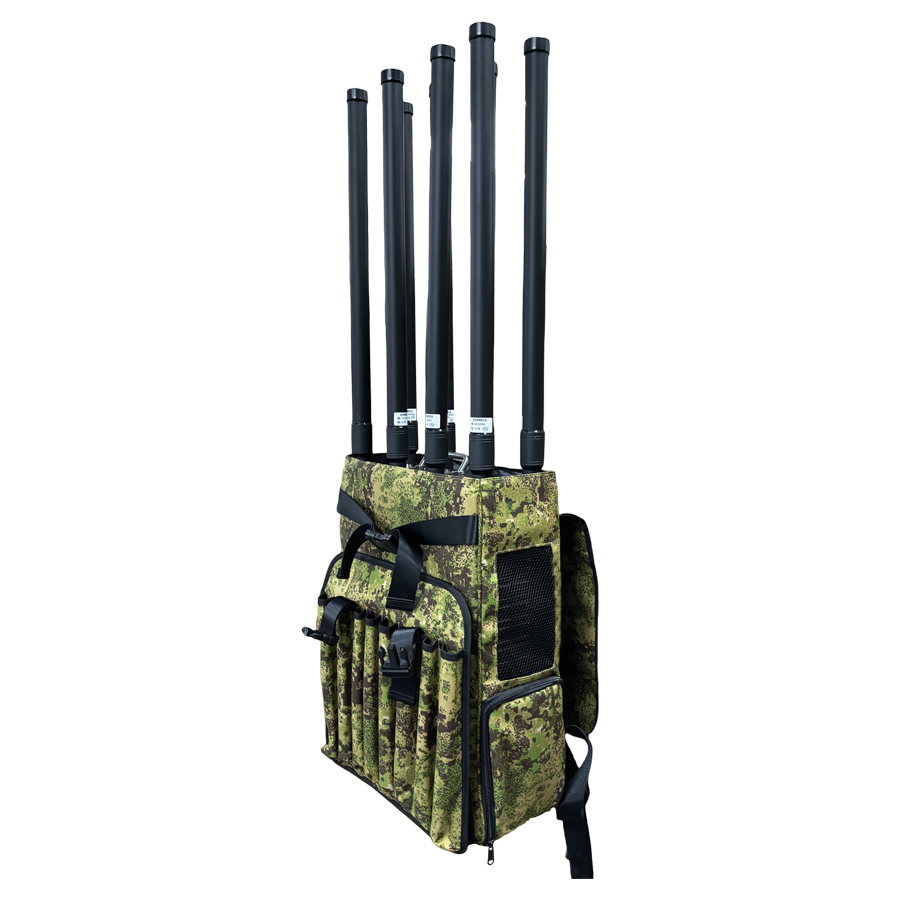
A modern drone jammer backpack integrates detection, jamming, spoofing, and operator geolocation into one field-ready system—replacing what previously required multiple dedicated devices. Its detection module continuously monitors airspace across common bands (2.4 GHz, 5.8 GHz, GPS), identifying threats before engagement. Upon confirmation, targeted jamming disrupts the command link; advanced models add GPS spoofing to force safe landings or return-to-home maneuvers. Simultaneously, signal triangulation pinpoints the pilot’s location—providing actionable intelligence without additional gear.
Unified functionality allows operators to shift seamlessly between detection, jamming, and spoofing modes as the situation evolves—without swapping equipment. For instance, a team may begin with detection to assess intent, transition to jamming for immediate disruption, then apply spoofing to safely recover the drone. Pilot location adds investigative value post-engagement. This multi-mode capability reduces device count, battery burden, cabling, and interface complexity—freeing weight and cognitive load for other mission-critical tools. The result is a leaner, more responsive loadout that maintains full protective capability while enhancing mobility and decision speed.
Field effectiveness hinges on balancing battery endurance, jamming power, and wearable comfort. Most tactical units deliver 30–40 minutes of continuous operation—sufficient for rapid interventions but requiring spare batteries for extended missions. Higher output extends effective range (500 m to 2 km against standard UAS; up to 3 km with optimized antennas), yet increases power draw and weight. Ergonomic design is therefore non-negotiable: packs weighing 3–5 lbs, featuring padded shoulder straps, molded back panels, and balanced load distribution significantly reduce fatigue during foot patrols. Adaptive power control further optimizes battery life by modulating transmission strength in real time. In RF-cluttered urban settings, effective range may drop 30–50%, reinforcing the need for intelligent integration of endurance, power, and portability.
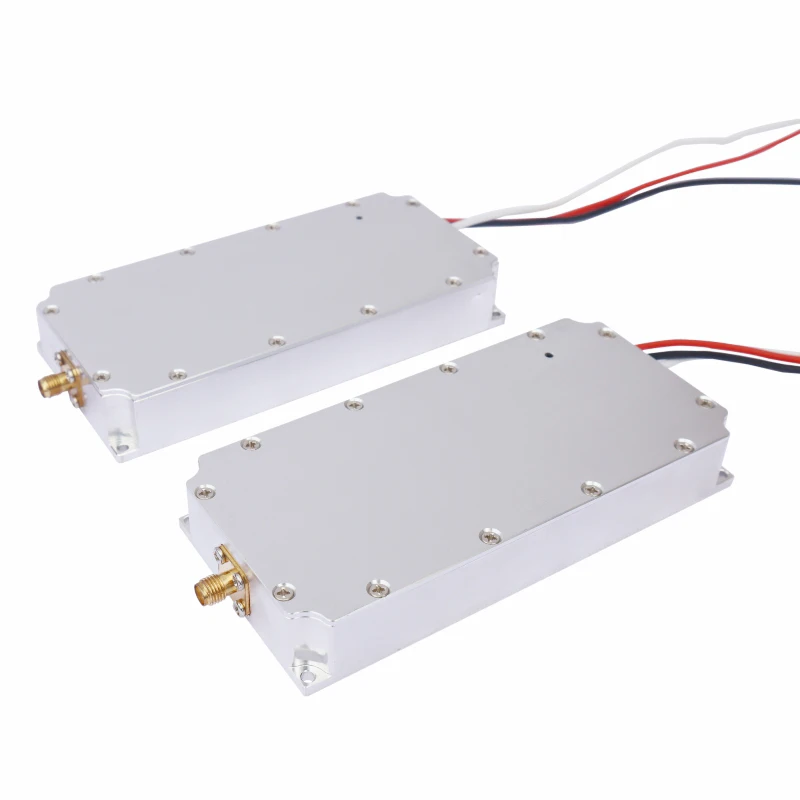
Effective drone jammer backpacks demand precision engineering across three interdependent priorities. First, weight distribution must center mass near the spine to minimize operator fatigue—poor balance can degrade readiness by up to 40% over multi-hour deployments. Second, thermal management is critical: RF jamming modules generate substantial heat, requiring passive cooling solutions to prevent thermal throttling and maintain consistent performance. Third, one-touch rapid deployment—activation under five seconds—is essential for responding to emergent threats. Neglecting any one of these elements compromises field effectiveness, making them inseparable pillars of tactical C-UAS design.
A drone jammer backpack is a portable device designed to provide counter-drone capabilities, such as detecting and disrupting unmanned aerial systems (UAS) in real time.
Modern drone jammer backpacks provide multi-functionality, including drone detection, signal jamming, GPS spoofing, and even locating the drone operator.
By being lightweight and ergonomically designed, these backpacks allow operators to respond to threats in inaccessible or complex environments like rough terrain and urban areas.
Drone jammer backpacks offer mobility, rapid deployment, and the ability to secure perimeters dynamically, making them far more versatile than fixed counter-drone installations.
Design priorities include weight distribution, battery life optimization, ergonomic comfort, thermal management, and rapid activation capabilities.

Shenzhen Longyuan Technology provides intelligent counter-drone systems for airports, stadiums & critical infrastructure. Real-time RF detection, tracking, and jamming with high-gain antennas and custom solutions. Trusted by global security teams.
Building A,Kaishangde Industrial Park,No. 1 Xinghua Road, Pingdi Sub-district, Longgang District, Shenzhen City
Copyright © 2026 Shenzhen Longyuan Technology Co., Ltd. All rights reserved. Privacy Policy
 EN
EN


 Hot News