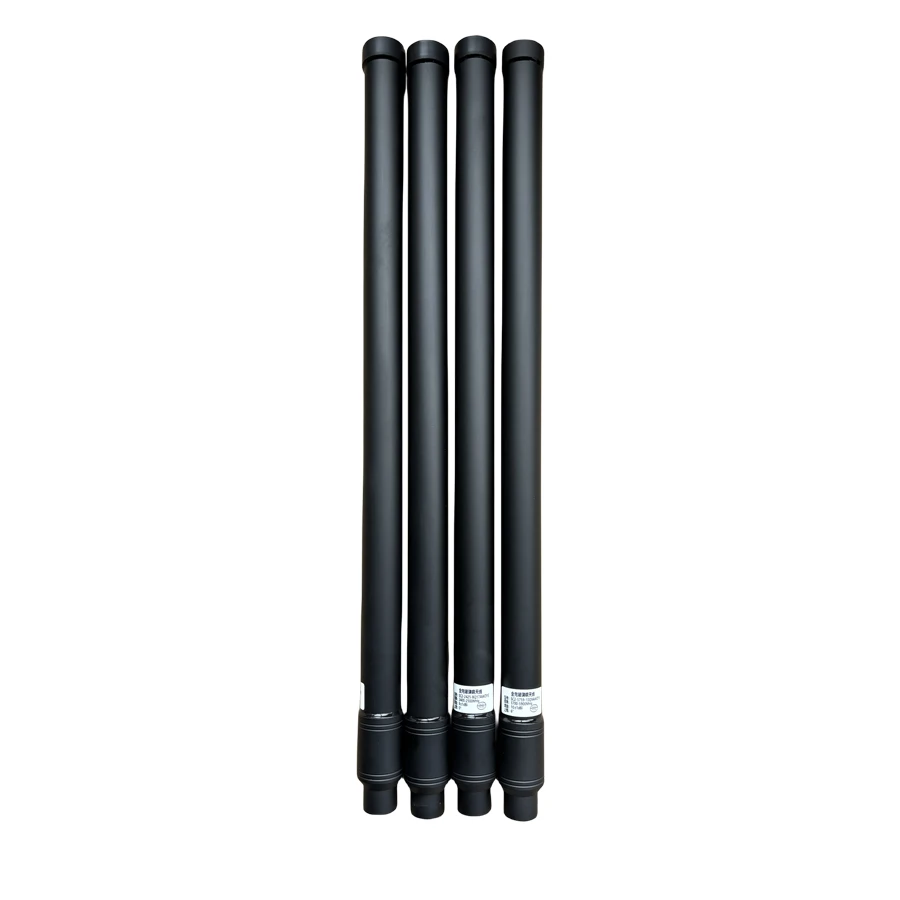
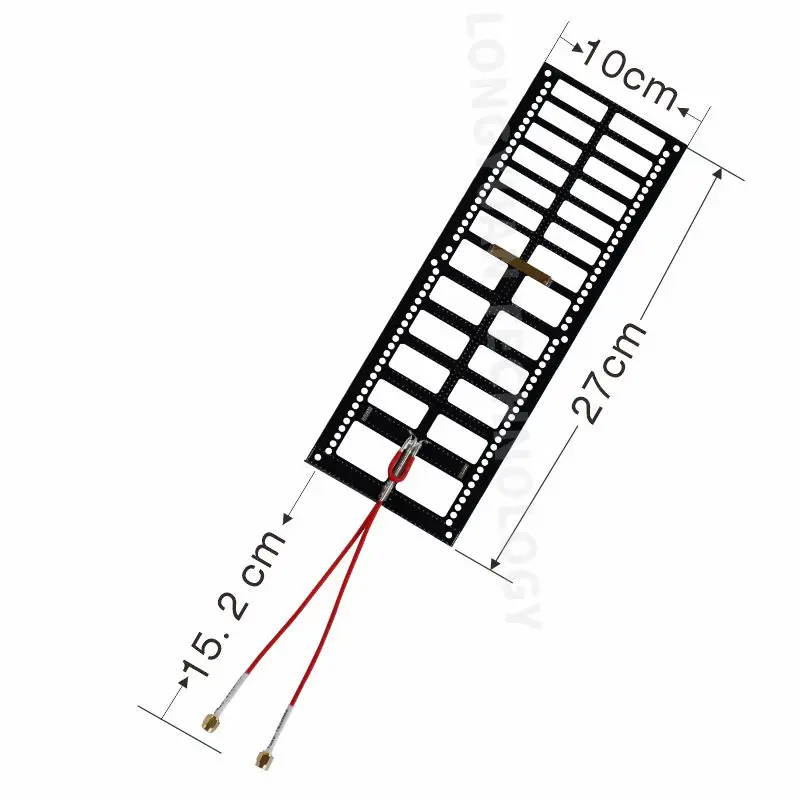
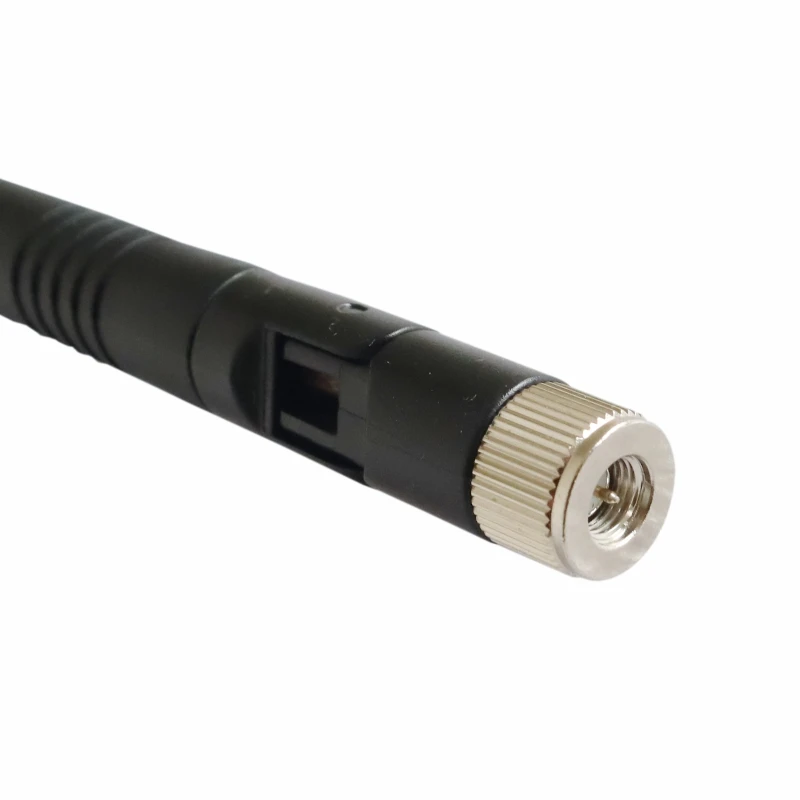
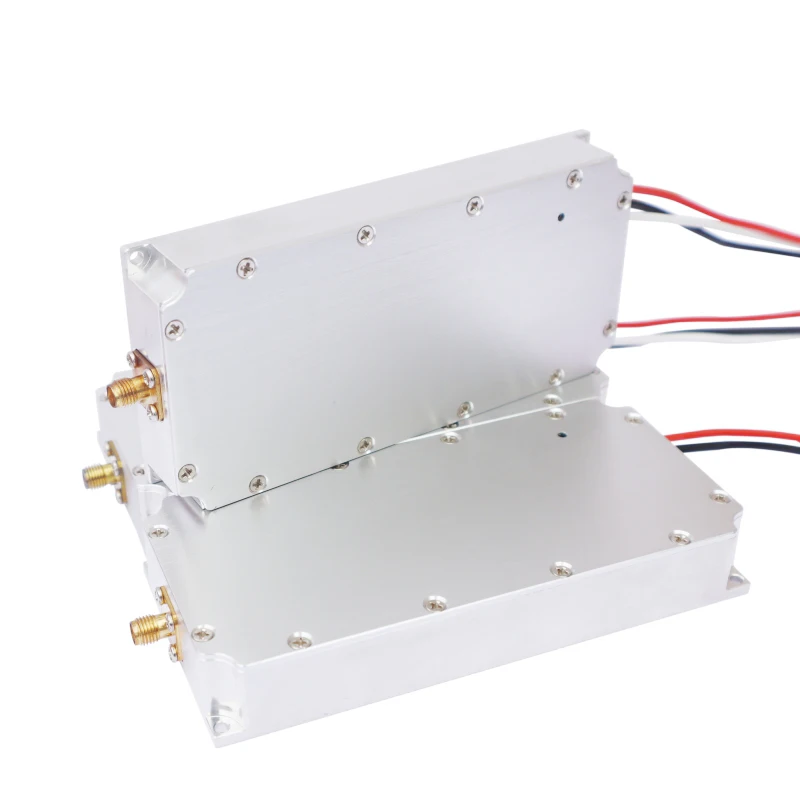
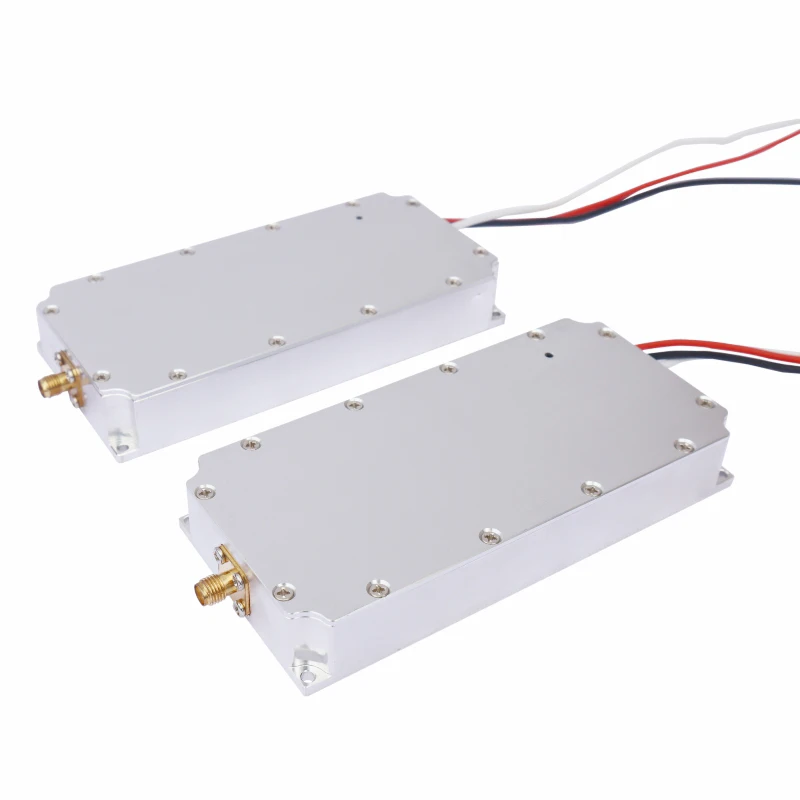
Critical infrastructure zones worldwide face unprecedented security challenges as unmanned aerial vehicles become increasingly accessible and sophisticated. The rapid proliferation of consumer drones has created significant vulnerabilities for military installations, airports, government facilities, and industrial complexes. Modern Anti Drone systems have emerged as essential protective measures, offering comprehensive detection and neutralization capabilities against unauthorized aerial intrusions. These advanced security solutions incorporate multiple technologies to create layered defense mechanisms that safeguard sensitive areas from potential drone-based threats.

Understanding Modern Drone Security Threats
Evolution of Drone-Based Security Risks
The commercial drone market has experienced exponential growth, with millions of units sold globally each year. This accessibility has inadvertently created opportunities for malicious actors to exploit drone technology for surveillance, smuggling, or direct attacks on critical facilities. Anti Drone technology development has accelerated in response to documented incidents where unauthorized drones have penetrated restricted airspace, causing operational disruptions and security breaches. Intelligence agencies report increasing concerns about weaponized drones carrying explosives, chemical agents, or surveillance equipment targeting high-value installations.
Contemporary drone threats extend beyond simple privacy violations to encompass sophisticated cyber warfare capabilities. Advanced drones can intercept communications, conduct electronic reconnaissance, and deploy malware through wireless networks. Anti Drone countermeasures must therefore address both physical and digital threat vectors, requiring integrated systems that combine radar detection, radio frequency analysis, and electronic warfare capabilities. The evolving threat landscape demands continuous adaptation of defensive technologies to counter emerging drone attack methodologies.
Classification of Drone Security Incidents
Security professionals categorize drone incidents into several distinct threat levels, ranging from accidental airspace violations to coordinated terrorist attacks. Low-level incidents typically involve recreational drone operators who inadvertently enter restricted zones, while high-level threats encompass deliberate surveillance operations or weapon delivery attempts. Anti Drone systems must differentiate between these threat categories to apply appropriate response protocols without causing unnecessary operational disruptions to legitimate activities.
Historical analysis reveals patterns in drone security incidents that inform protective strategy development. Major airports have experienced significant flight delays due to drone sightings, while military bases have detected reconnaissance drones attempting to gather intelligence on personnel movements and equipment positioning. These documented cases demonstrate the critical importance of implementing robust Anti Drone protection measures that can rapidly identify, track, and neutralize unauthorized aerial vehicles before they compromise sensitive operations or threaten personnel safety.
Critical Infrastructure Protection Requirements
Military Installation Security Protocols
Military facilities represent prime targets for drone-based reconnaissance and attack operations due to their strategic importance and sensitive nature. Anti Drone protection systems at military installations must operate continuously to detect potential threats across multiple frequency bands and altitude ranges. These facilities require sophisticated detection capabilities that can identify stealth drones, swarm attacks, and hybrid aerial vehicles that combine traditional aircraft characteristics with unmanned drone technology.
Defense contractors and military personnel emphasize the importance of layered security approaches that integrate Anti Drone systems with existing perimeter defense mechanisms. Effective protection protocols include radar surveillance, optical tracking systems, acoustic detection arrays, and electronic countermeasures that can disable or redirect unauthorized drones. The integration of artificial intelligence and machine learning algorithms enhances threat identification accuracy while reducing false positive incidents that could compromise operational readiness.
Airport and Aviation Security Standards
Commercial aviation facilities face unique challenges in implementing Anti Drone protection due to the complex airspace management requirements and high volume of legitimate aircraft operations. Airport security teams must balance drone threat mitigation with maintaining normal flight operations, requiring sophisticated systems that can distinguish between authorized and unauthorized aerial vehicles. Federal aviation authorities have established strict protocols for Anti Drone system deployment to prevent interference with commercial aircraft navigation and communication systems.
International aviation security standards mandate comprehensive drone detection capabilities at major airports worldwide. These requirements specify minimum detection ranges, response times, and neutralization capabilities that Anti Drone systems must achieve to receive certification approval. Airport operators invest heavily in advanced detection technologies that provide early warning capabilities while maintaining compatibility with existing air traffic control infrastructure and emergency response protocols.
Technology Components of Anti Drone Systems
Detection and Identification Technologies
Modern Anti Drone systems employ multiple detection methodologies to ensure comprehensive coverage across different operational environments and threat scenarios. Radar-based detection provides long-range surveillance capabilities that can track multiple targets simultaneously, while radio frequency analyzers identify communication signatures unique to specific drone models and manufacturers. Optical systems equipped with high-resolution cameras and infrared sensors enable visual confirmation and detailed threat assessment capabilities.
Advanced Anti Drone platforms integrate acoustic detection arrays that can identify the distinctive sound signatures produced by different drone propulsion systems. Machine learning algorithms process acoustic data to differentiate between drones, birds, and other aerial objects, significantly reducing false alarm rates. These multi-sensor fusion approaches create robust detection networks that maintain effectiveness across various weather conditions and electromagnetic interference scenarios.
Neutralization and Countermeasure Capabilities
Once unauthorized drones are detected and classified as threats, Anti Drone systems deploy various neutralization techniques depending on the specific threat level and operational environment. Electronic jamming represents the most common countermeasure, disrupting communication links between drones and their operators while forcing automated return-to-home protocols. Advanced systems can selectively jam specific frequency bands to minimize interference with legitimate communications and navigation systems.
Physical countermeasures include directed energy weapons, net-capture systems, and interceptor drones designed to physically disable or capture unauthorized aerial vehicles. These Anti Drone solutions require careful consideration of collateral damage potential and regulatory compliance, particularly in urban environments where falling debris could pose safety risks. High-energy laser systems represent emerging technology that can precisely disable drone components without creating falling hazards, though power requirements and atmospheric conditions affect operational effectiveness.
Implementation Strategies for Critical Zones
Risk Assessment and Threat Modeling
Effective Anti Drone protection begins with comprehensive risk assessment that identifies specific vulnerabilities and potential attack vectors relevant to each facility type. Security consultants conduct detailed threat modeling exercises that consider geographic location, operational activities, symbolic value, and historical incident patterns. These assessments inform system specification requirements and deployment strategies that address the most probable and impactful threat scenarios.
Threat modeling for Anti Drone systems must account for evolving adversary capabilities and tactics, including potential countermeasures that sophisticated attackers might employ to defeat protective systems. Regular assessment updates ensure that security measures remain effective against emerging technologies such as autonomous swarm attacks, AI-guided navigation systems, and advanced stealth capabilities. This dynamic approach to threat analysis enables proactive security enhancement rather than reactive responses to new attack methodologies.
Integration with Existing Security Infrastructure
Successful Anti Drone implementation requires seamless integration with established security systems including perimeter intrusion detection, video surveillance networks, and emergency response protocols. Security architects must ensure that drone detection alerts trigger appropriate response procedures while maintaining compatibility with existing command and control infrastructure. This integration enables coordinated responses that leverage multiple security layers to maximize protective effectiveness.
Interoperability standards facilitate Anti Drone system integration across different technology platforms and vendor solutions. Open architecture designs enable facility operators to combine best-in-class components from multiple manufacturers while maintaining unified operational control interfaces. These flexible integration approaches support future system upgrades and technology evolution without requiring complete infrastructure replacement, providing long-term value and adaptability.
Regulatory Compliance and Legal Considerations
International Aviation Law Framework
Anti Drone system deployment must comply with complex international aviation regulations that govern electromagnetic spectrum usage, airspace management, and aircraft safety protocols. Regulatory agencies worldwide have established specific certification requirements for counter-drone technologies to prevent interference with legitimate aviation operations and emergency services communications. These compliance frameworks require extensive testing and documentation to demonstrate system safety and effectiveness under various operational conditions.
Cross-border coordination becomes essential for Anti Drone systems protecting facilities near international boundaries, where different national regulations may conflict or overlap. Diplomatic agreements and bilateral security arrangements often govern the deployment of counter-drone capabilities in sensitive border regions. Legal experts specializing in aviation law provide guidance on navigating these complex regulatory environments while maintaining effective security protection.
Privacy and Civil Liberties Protection
The deployment of Anti Drone systems raises important privacy considerations regarding surveillance capabilities and data collection practices. Legal frameworks must balance security requirements with constitutional protections for individual privacy rights and civil liberties. Operators must implement strict data handling procedures that limit information retention, restrict access to authorized personnel, and ensure compliance with applicable privacy laws and regulations.
Public engagement and transparency initiatives help build community support for Anti Drone protection measures while addressing legitimate privacy concerns. Security professionals work with legal advisors to develop operational procedures that minimize surveillance impact on nearby residential areas and public spaces. These collaborative approaches foster public understanding of security requirements while demonstrating commitment to responsible technology deployment and oversight.
Future Developments in Anti Drone Technology
Artificial Intelligence and Machine Learning Integration
Next-generation Anti Drone systems leverage artificial intelligence capabilities to enhance threat detection accuracy and response speed while reducing operational workload on security personnel. Machine learning algorithms continuously analyze detection patterns to improve system performance and adapt to new threat characteristics without requiring manual programming updates. These intelligent systems can predict likely attack vectors and preposition countermeasures for optimal response effectiveness.
Advanced AI integration enables Anti Drone systems to process multiple sensor inputs simultaneously while maintaining real-time threat assessment capabilities. Neural network architectures specifically designed for aerial target recognition can distinguish between various drone types, flight patterns, and potential payload configurations. This enhanced discrimination capability reduces false alarms while ensuring that legitimate aerial activities can continue without unnecessary interference from security systems.
Swarm Defense and Coordinated Threat Response
Emerging Anti Drone technologies address the growing threat of coordinated swarm attacks that employ multiple drones operating in synchronized formations. Traditional single-target countermeasures prove inadequate against swarm tactics, requiring new defensive approaches that can simultaneously engage multiple aerial threats. Advanced systems under development incorporate distributed sensor networks and coordinated response capabilities that can defeat sophisticated multi-drone attack scenarios.
Future Anti Drone platforms will feature autonomous response capabilities that can rapidly deploy countermeasures against swarm formations without human intervention delays. These systems require sophisticated target prioritization algorithms that can assess threat levels and allocate defensive resources optimally across multiple simultaneous engagements. International defense research programs continue developing innovative swarm defense technologies that maintain effectiveness against evolving attack methodologies and adversary tactics.
FAQ
What makes Anti Drone systems essential for critical infrastructure protection
Anti Drone systems provide essential protection for critical infrastructure by detecting and neutralizing unauthorized aerial vehicles that could conduct surveillance, deliver weapons, or disrupt operations. Modern drones pose significant security risks due to their accessibility, stealth capabilities, and potential for weaponization. These protective systems ensure continuous monitoring of airspace around sensitive facilities while maintaining the ability to respond rapidly to drone threats before they can cause damage or compromise security.
How do Anti Drone technologies differentiate between legitimate and threatening aircraft
Advanced Anti Drone systems use multiple detection technologies including radar signatures, radio frequency analysis, and visual identification to distinguish between authorized aircraft and potential threats. These systems maintain databases of legitimate aircraft operating patterns and communication protocols while identifying anomalous behavior that suggests unauthorized intrusion. Machine learning algorithms continuously improve threat discrimination capabilities by analyzing flight patterns, size characteristics, and communication signatures unique to different aircraft types.
What regulatory approvals are required for Anti Drone system deployment
Anti Drone system deployment requires compliance with aviation authority regulations, electromagnetic spectrum licensing, and local security protocols. Operators must obtain permits for radio frequency usage, demonstrate compatibility with existing aviation systems, and provide documentation of safety procedures. International facilities may require additional approvals from multiple regulatory agencies, while cross-border installations need diplomatic coordination to ensure compliance with different national security requirements and aviation laws.
How effective are Anti Drone countermeasures against advanced drone technologies
Modern Anti Drone systems demonstrate high effectiveness against current drone technologies through multi-layered detection and countermeasure approaches. However, continuous technology evolution requires regular system updates and capability enhancements to maintain effectiveness against emerging threats. Advanced countermeasures including electronic jamming, physical interdiction, and cyber disruption provide multiple options for neutralizing sophisticated drones, while ongoing research addresses future challenges such as autonomous swarms and AI-guided attack systems.
Table of Contents
- Understanding Modern Drone Security Threats
- Critical Infrastructure Protection Requirements
- Technology Components of Anti Drone Systems
- Implementation Strategies for Critical Zones
- Regulatory Compliance and Legal Considerations
- Future Developments in Anti Drone Technology
-
FAQ
- What makes Anti Drone systems essential for critical infrastructure protection
- How do Anti Drone technologies differentiate between legitimate and threatening aircraft
- What regulatory approvals are required for Anti Drone system deployment
- How effective are Anti Drone countermeasures against advanced drone technologies