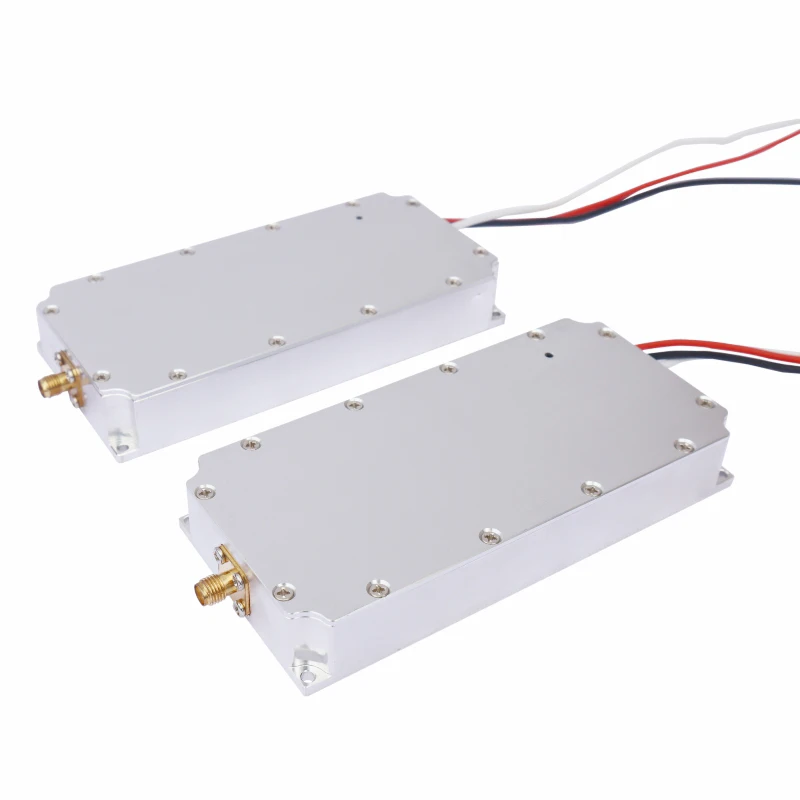
Unmanned aerial vehicles have transformed from recreational gadgets into sophisticated tools that present both opportunities and security challenges. As drone technology advances, the need for effective countermeasures has become increasingly critical across various sectors. Modern security landscapes require comprehensive protection against unauthorized aerial intrusions, making anti drone technology an essential component of contemporary defense strategies. Organizations worldwide are recognizing the importance of implementing robust aerial security measures to safeguard their assets, personnel, and sensitive operations from potential drone-related threats.

Enhanced Security Infrastructure Through Advanced Detection
Real-Time Threat Identification Capabilities
Modern anti drone systems provide unprecedented situational awareness through sophisticated detection mechanisms that operate continuously. These systems employ multiple detection technologies including radar, radio frequency analysis, and optical sensors to identify unauthorized drone activity across extensive coverage areas. The integration of artificial intelligence enables these systems to distinguish between legitimate and threatening aerial vehicles while minimizing false alarms. Advanced detection capabilities ensure that security personnel receive immediate alerts when potential threats enter designated airspace, allowing for rapid response protocols to be implemented.
The real-time processing capabilities of contemporary anti drone technology enable instant threat assessment and classification. These systems can identify drone types, flight patterns, and potential payload configurations within seconds of detection. Such rapid identification allows security teams to make informed decisions about appropriate countermeasures based on the specific threat level presented by each detected drone. This level of detailed analysis significantly enhances overall security posture by providing comprehensive intelligence about aerial intrusions.
Multi-Layered Defense Architecture
Effective anti drone systems implement multiple detection layers to ensure comprehensive coverage and redundancy in threat identification. Primary detection layers typically include long-range radar systems capable of identifying targets at significant distances, while secondary layers incorporate specialized sensors for close-range verification and tracking. This multi-layered approach ensures that no aerial threats go undetected regardless of their approach vector or operational characteristics.
The integration of diverse detection technologies creates a robust defense network that addresses various drone capabilities and operational scenarios. Radio frequency monitoring systems detect drone communication signals, while acoustic sensors identify characteristic propeller signatures. Electro-optical systems provide visual confirmation and detailed target analysis. This comprehensive detection framework ensures that anti drone systems maintain effectiveness against evolving drone technologies and operational tactics.
Comprehensive Neutralization Options for Effective Response
Non-Destructive Countermeasure Technologies
Modern anti drone systems offer sophisticated non-destructive neutralization capabilities that safely disable unauthorized drones without causing collateral damage. Signal jamming technologies disrupt communication links between drones and their operators, effectively forcing unauthorized aircraft to return to their launch points or land safely. These systems can selectively target specific frequency bands used by consumer and commercial drones while preserving essential communication services in the surrounding area.
Electromagnetic pulse generators provide another non-destructive option for neutralizing drone threats through targeted electronic disruption. These systems deliver precise electromagnetic energy bursts that temporarily disable drone electronic systems without permanent damage. GPS spoofing capabilities allow security personnel to redirect threatening drones away from sensitive areas by manipulating their navigation systems. Such non-destructive approaches ensure that neutralized drones can be recovered and analyzed for intelligence purposes.
Kinetic Intervention Capabilities
When non-destructive methods prove insufficient, advanced anti drone systems provide kinetic intervention options designed for high-threat scenarios. Directed energy weapons, including high-powered lasers, offer precise targeting capabilities that can disable or destroy threatening drones at significant ranges. These systems provide surgical precision in neutralizing specific components of hostile drones while minimizing collateral damage to surrounding infrastructure.
Projectile-based systems represent another kinetic option for drone neutralization in critical situations. Net-launching systems can capture intact drones for forensic analysis while preventing their mission completion. High-velocity projectile systems provide rapid neutralization capabilities against fast-moving or heavily shielded drone targets. These kinetic options ensure that Anti Drone systems maintain effectiveness against sophisticated or weaponized unmanned aerial vehicles.
Critical Infrastructure Protection Applications
Government and Military Facility Security
Government installations and military facilities represent primary targets for drone-based reconnaissance and potential attacks, making anti drone systems essential for national security operations. These facilities require comprehensive aerial security measures to prevent unauthorized surveillance, intelligence gathering, or direct attacks through weaponized drones. Modern anti drone technology provides continuous monitoring of restricted airspace while maintaining operational security through covert detection and neutralization capabilities.
Military applications of anti drone systems extend beyond perimeter defense to include forward operating base protection and convoy security. These systems must operate effectively in challenging environments while providing reliable protection against evolving drone threats. The integration of anti drone technology with existing military defense systems creates comprehensive protection networks that address multiple threat vectors simultaneously. Such integration ensures that military personnel and assets remain protected from aerial reconnaissance and direct drone attacks.
Commercial and Industrial Site Protection
Critical commercial infrastructure including power plants, chemical facilities, and transportation hubs require robust anti drone protection to prevent industrial espionage and sabotage attempts. These facilities often contain sensitive information or hazardous materials that could be compromised through unauthorized drone surveillance or direct attacks. Anti drone systems provide continuous monitoring of industrial airspace while ensuring that legitimate commercial aviation operations remain unaffected.
Airport environments present unique challenges for anti drone implementation due to the complex airspace requirements and heavy legitimate aircraft traffic. Specialized anti drone systems designed for airport applications can distinguish between authorized aircraft and unauthorized drones while providing rapid response capabilities. These systems integrate with existing air traffic control systems to ensure seamless operation without disrupting commercial aviation schedules or safety protocols.
Economic Advantages and Cost-Effectiveness Analysis
Long-Term Investment Value
Implementing comprehensive anti drone systems represents a strategic investment that provides substantial long-term value through risk mitigation and operational continuity. The cost of potential drone-related security incidents far exceeds the investment required for effective anti drone protection. These systems prevent costly operational disruptions, protect valuable assets, and maintain business continuity in the face of evolving aerial threats. The return on investment becomes particularly evident when considering the potential costs of security breaches or operational shutdowns.
Modern anti drone technology offers scalable deployment options that allow organizations to implement protection measures aligned with their specific risk profiles and budget constraints. Modular system architectures enable incremental expansion as threat levels evolve or facility requirements change. This scalability ensures that initial investments in anti drone technology continue to provide value as security needs expand over time.
Operational Efficiency Benefits
Anti drone systems significantly reduce the personnel requirements for maintaining effective aerial security through automated detection and response capabilities. Traditional security approaches requiring constant human surveillance prove both costly and ineffective against fast-moving aerial threats. Automated anti drone systems provide continuous monitoring capabilities that exceed human capacity while reducing operational costs associated with security personnel deployment.
The integration of anti drone technology with existing security infrastructure maximizes operational efficiency by creating unified security management platforms. These integrated systems allow security personnel to monitor and respond to multiple threat types through centralized control interfaces. Such integration reduces training requirements and operational complexity while improving overall security effectiveness across diverse threat scenarios.
Technological Innovation and Future Development
Artificial Intelligence Integration
The incorporation of artificial intelligence into anti drone systems represents a significant advancement in automated threat assessment and response capabilities. Machine learning algorithms analyze vast amounts of sensor data to identify patterns and behaviors associated with hostile drone operations. These AI-powered systems continuously improve their detection accuracy and reduce false alarm rates through adaptive learning processes that evolve with emerging drone technologies and operational tactics.
Predictive analytics capabilities enable anti drone systems to anticipate potential threats based on historical data and behavioral patterns. These systems can identify suspicious drone activity before hostile intent becomes apparent, allowing security personnel to implement preventive measures. AI integration also enables autonomous response capabilities that can neutralize threats faster than human-operated systems while maintaining appropriate escalation protocols for complex scenarios.
Network-Centric Defense Architectures
Modern anti drone systems increasingly operate as components of larger network-centric defense architectures that share threat intelligence and coordinate responses across multiple locations. These networked systems provide regional threat awareness by aggregating data from multiple detection points and analyzing patterns that might indicate coordinated drone attacks. Network integration enables rapid information sharing that enhances overall security effectiveness across connected facilities.
Cloud-based analytics platforms process data from distributed anti drone sensors to identify emerging threat trends and operational patterns. This centralized analysis capability enables security organizations to adapt their defensive strategies based on comprehensive threat intelligence. The network-centric approach ensures that individual anti drone installations benefit from collective knowledge and experience gained across the entire defense network.
Regulatory Compliance and Legal Considerations
Airspace Authority Coordination
Effective anti drone system deployment requires careful coordination with aviation authorities to ensure compliance with airspace regulations and safety requirements. These systems must operate within established legal frameworks while providing effective security capabilities. Proper coordination with regulatory bodies ensures that anti drone operations do not interfere with legitimate aviation activities or violate applicable laws governing airspace usage and electromagnetic spectrum management.
Anti drone systems must incorporate sophisticated identification capabilities that distinguish between authorized and unauthorized aircraft to maintain compliance with aviation safety regulations. These identification systems prevent accidental interference with emergency services, law enforcement aircraft, or commercial aviation operations. Regulatory compliance ensures that security organizations can deploy anti drone technology without legal complications or operational restrictions.
Privacy and Civil Rights Protection
Modern anti drone systems incorporate privacy protection measures that balance security requirements with civil rights considerations. These systems employ selective monitoring capabilities that focus on genuine security threats while minimizing surveillance of legitimate activities. Data protection protocols ensure that information collected during anti drone operations remains secure and is used only for authorized security purposes.
Legal frameworks governing anti drone system deployment continue to evolve as authorities balance security needs with privacy rights and civil liberties. Organizations implementing these systems must maintain awareness of changing legal requirements and ensure their operations remain compliant with applicable regulations. Proper legal compliance protects organizations from liability while ensuring that anti drone systems operate within established ethical boundaries.
FAQ
How effective are anti drone systems against different types of drones
Anti drone systems demonstrate high effectiveness against various drone types through multi-spectrum detection and diverse neutralization capabilities. Consumer drones are readily detected and neutralized through standard RF jamming and GPS spoofing techniques. Military-grade and custom-built drones may require more sophisticated countermeasures including kinetic interventions or directed energy systems. Modern anti drone technology adapts to emerging drone capabilities through regular software updates and sensor calibration procedures.
What is the typical range and coverage area for anti drone systems
Coverage ranges for anti drone systems vary significantly based on sensor types and environmental conditions, typically extending from several hundred meters to multiple kilometers. Radar-based systems provide the longest detection ranges, often exceeding five kilometers for large drone targets. RF detection systems offer moderate range capabilities while providing detailed communication analysis. Optical sensors provide shorter ranges but deliver high-resolution target identification and tracking capabilities within their effective zones.
How do anti drone systems avoid interfering with legitimate aircraft
Advanced identification algorithms distinguish between authorized aircraft and unauthorized drones through multiple verification methods including transponder signals, flight plan correlation, and behavioral analysis. These systems maintain databases of legitimate aircraft signatures and approved flight corridors to prevent false identifications. Selective jamming capabilities target specific frequency bands used by consumer drones while preserving aviation communication channels. Integration with air traffic control systems provides real-time awareness of authorized aircraft movements.
What maintenance and operational requirements do anti drone systems have
Anti drone systems require regular calibration and software updates to maintain effectiveness against evolving drone technologies. Sensor maintenance includes periodic cleaning and alignment verification to ensure optimal detection performance. System operators require specialized training to effectively interpret threat data and implement appropriate response protocols. Regular testing procedures verify system functionality and identify potential maintenance needs before they impact operational effectiveness.
Table of Contents
- Enhanced Security Infrastructure Through Advanced Detection
- Comprehensive Neutralization Options for Effective Response
- Critical Infrastructure Protection Applications
- Economic Advantages and Cost-Effectiveness Analysis
- Technological Innovation and Future Development
- Regulatory Compliance and Legal Considerations
- FAQ