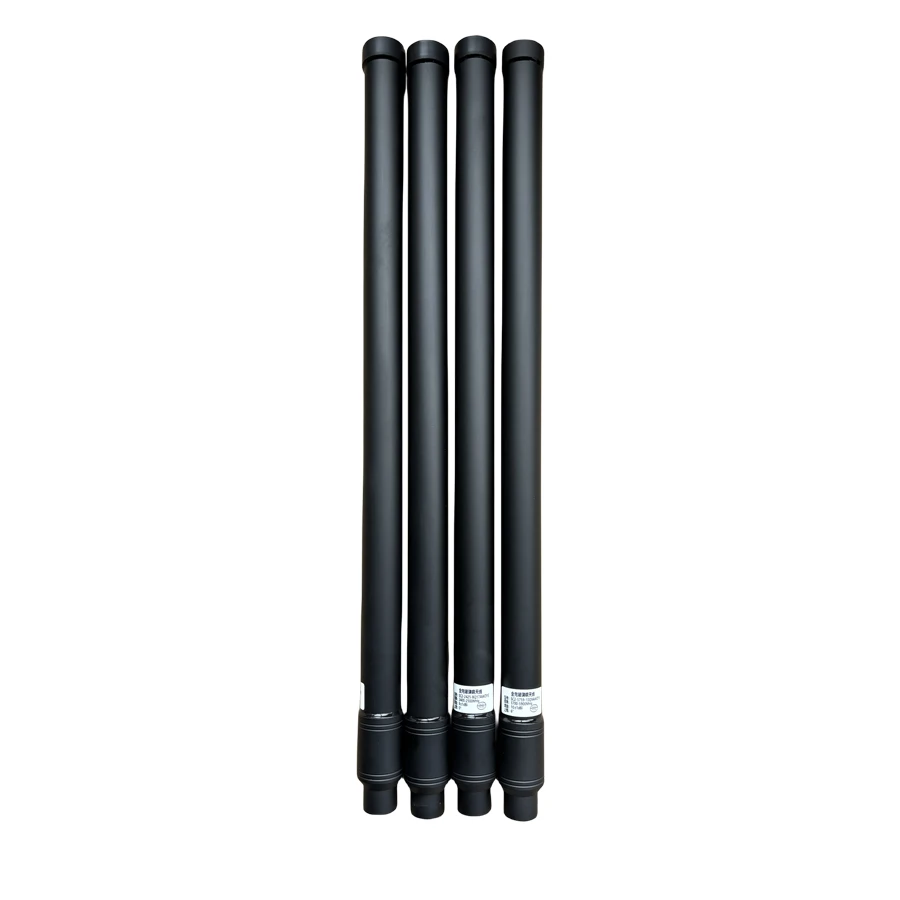
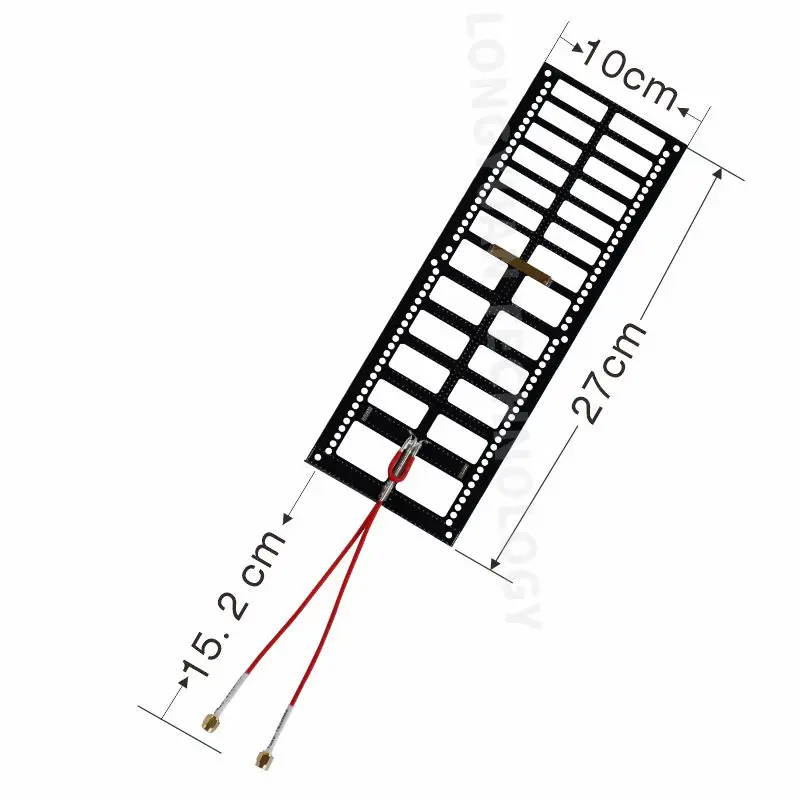
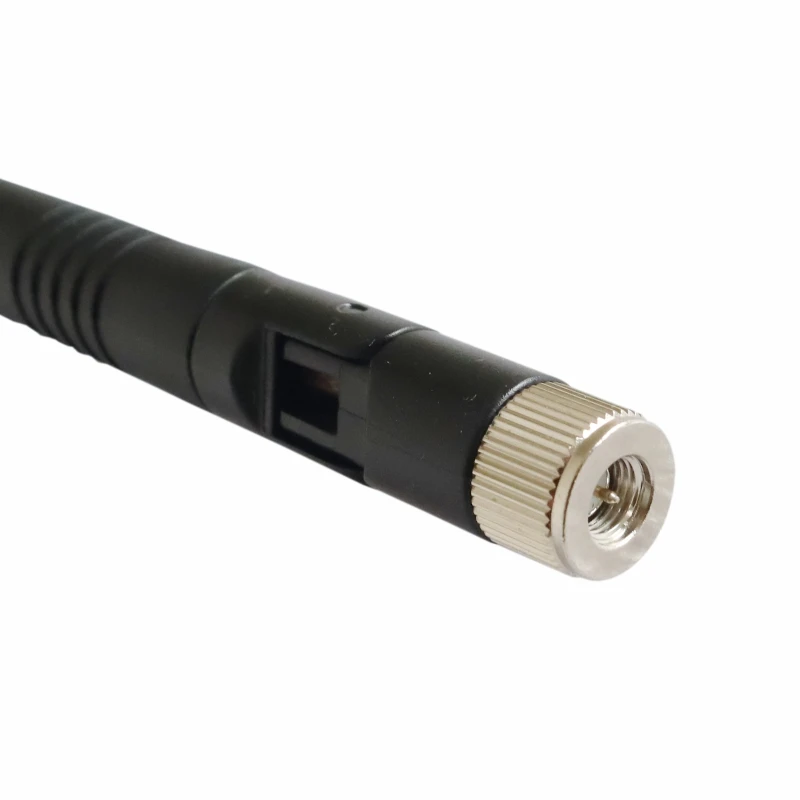
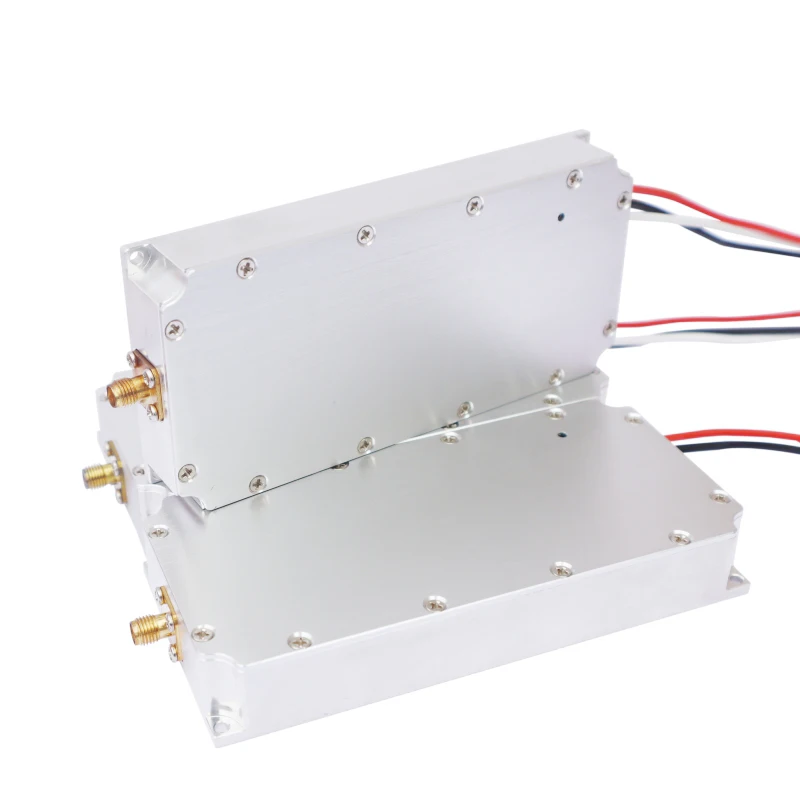
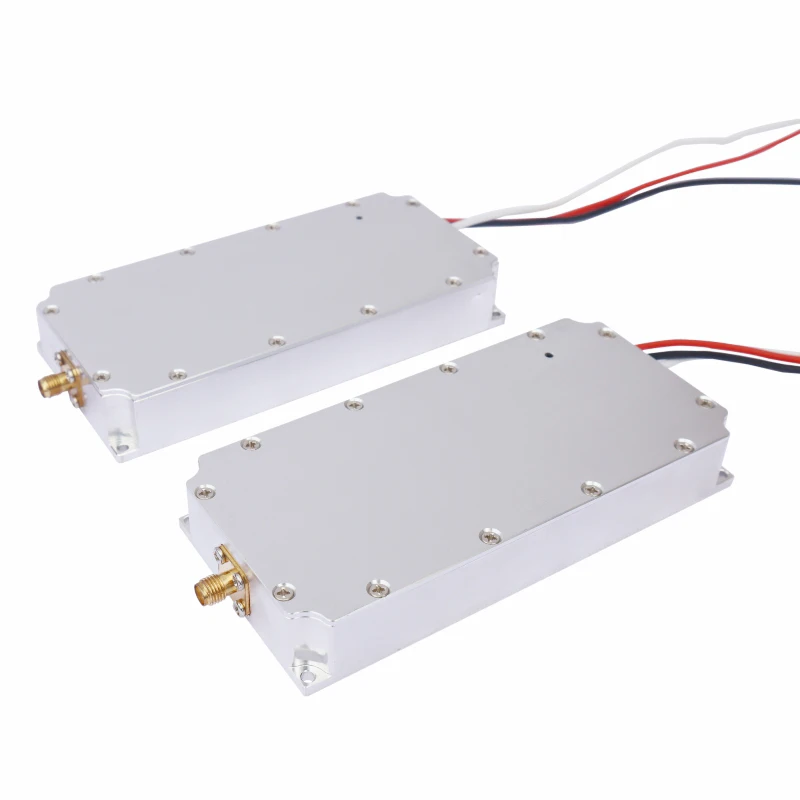
Unmanned aerial vehicles have become increasingly prevalent in both commercial and recreational applications, but their unauthorized presence can pose significant security risks in sensitive areas. Emergency response teams, security personnel, and facility managers require reliable countermeasures to neutralize potential drone threats quickly and effectively. A portable drone jammer represents a critical tool for maintaining airspace security, offering immediate response capabilities when suspicious or hostile UAVs enter restricted zones.

Understanding Drone Threats in Modern Security
Common Drone Security Risks
Unauthorized drones present multiple security challenges across various sectors, from corporate facilities to public events. These unmanned systems can carry surveillance equipment, potentially compromising sensitive information or violating privacy regulations. Hostile actors may deploy drones for reconnaissance missions, gathering intelligence about security procedures, building layouts, or personnel movements. The compact size and relatively quiet operation of modern drones make them particularly difficult to detect using traditional security measures.
Beyond surveillance concerns, drones can serve as delivery platforms for dangerous payloads, including explosives, chemical agents, or contraband materials. Critical infrastructure facilities, such as power plants, airports, and government buildings, face elevated risks from drone-based attacks. The ability of UAVs to access elevated positions and restricted airspace creates vulnerabilities that conventional security systems cannot adequately address without specialized countermeasures.
Regulatory and Legal Considerations
Aviation authorities worldwide have established strict regulations governing drone operations, particularly near sensitive locations like airports, military installations, and urban centers. Violations of these no-fly zones can result in significant safety hazards and legal consequences for operators. Security teams must understand the legal framework surrounding drone activities to implement appropriate response measures while maintaining compliance with local and federal regulations.
Emergency situations often require immediate action to neutralize drone threats, but response protocols must balance security needs with legal requirements. A portable drone jammer provides security personnel with a lawful means of disrupting unauthorized UAV operations when deployed by authorized personnel in appropriate circumstances. Understanding the proper application of these devices ensures effective threat mitigation while avoiding potential legal complications.
Technical Capabilities of Portable Drone Jammers
Signal Disruption Technology
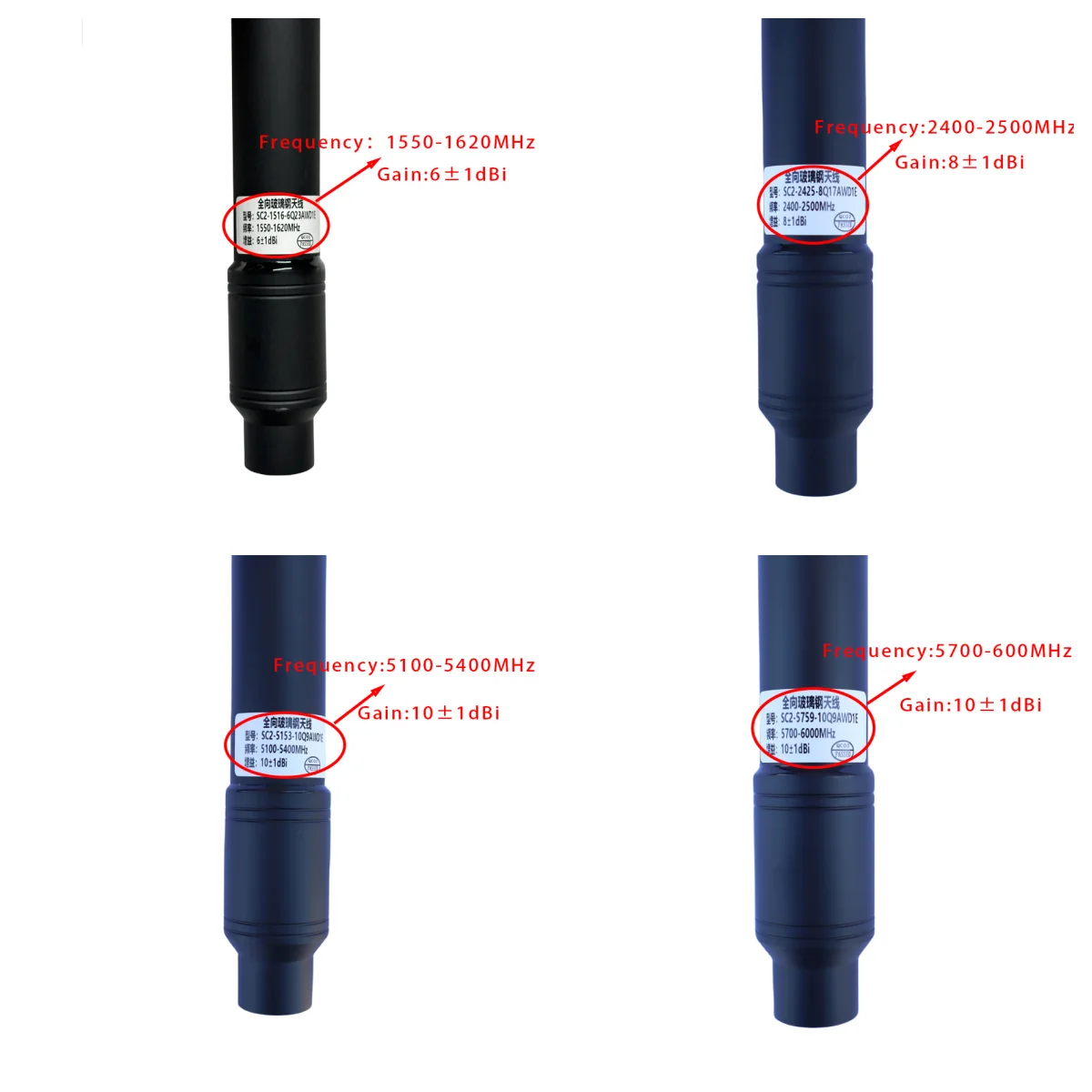
Modern portable drone jammer systems utilize sophisticated radio frequency interference technology to disrupt the communication links between UAVs and their operators. These devices typically target multiple frequency bands simultaneously, including the common 2.4 GHz and 5.8 GHz bands used by consumer and commercial drones. By overwhelming these frequencies with high-powered signals, the jammer effectively severs the control connection, forcing the drone to activate its failsafe protocols.
Most consumer drones are programmed to return to their launch point or execute a controlled landing when they lose contact with the operator. This predictable response allows security teams to neutralize threats without causing uncontrolled crashes that might endanger personnel or property. Advanced portable drone jammer models can selectively target specific frequency ranges, allowing for precise control over which devices are affected while minimizing interference with legitimate communications equipment.
Range and Effectiveness Parameters
The operational range of a portable drone jammer depends on several factors, including the device's power output, environmental conditions, and the target drone's specifications. Professional-grade jammers typically achieve effective ranges between 500 meters to several kilometers, providing sufficient coverage for most security applications. Terrain features, weather conditions, and electromagnetic interference can impact performance, requiring operators to understand these limitations when planning deployment strategies.
Battery life and portability represent crucial considerations for emergency response applications. Modern devices balance power output with operational duration, typically providing several hours of continuous operation on a single charge. The lightweight design and ergonomic construction of contemporary models enable rapid deployment by security personnel, while integrated targeting systems help operators focus jamming signals precisely on identified threats.
Strategic Applications and Deployment Scenarios
Critical Infrastructure Protection
Facilities housing critical infrastructure require robust drone defense capabilities to protect against reconnaissance, sabotage, and terrorist attacks. Power generation plants, water treatment facilities, and communication hubs represent high-value targets that adversaries might attempt to compromise using unmanned systems. A portable drone jammer enables rapid response to drone incursions, allowing security teams to neutralize threats before they can gather intelligence or deliver harmful payloads.
The mobility advantage of portable systems allows security personnel to position countermeasures strategically based on threat assessments and facility layouts. Unlike fixed installations, these devices can be repositioned quickly to address emerging threats or provide coverage for temporary events. Integration with existing security protocols ensures coordinated responses that maximize effectiveness while minimizing operational disruption.
Event Security and Crowd Protection
Large public gatherings, including sporting events, concerts, and political rallies, present attractive targets for drone-based attacks or surveillance operations. The concentrated presence of people creates scenarios where unauthorized drones pose significant risks to public safety and privacy. Event security teams increasingly rely on portable drone jammer technology to maintain controlled airspace around venues, preventing unauthorized UAV activities that could endanger attendees or disrupt proceedings.
Temporary security perimeters benefit from the flexibility that portable countermeasures provide, allowing security coordinators to adapt coverage based on crowd dynamics and threat intelligence. The discrete operation of modern jamming devices enables covert deployment without alarming attendees or disrupting the event atmosphere. Coordination with local aviation authorities ensures that legitimate aircraft operations remain unaffected while maintaining protection against unauthorized drone activities.
Operational Advantages and Benefits
Immediate Response Capabilities
The primary advantage of portable drone jammer systems lies in their ability to provide immediate countermeasures against unauthorized UAV activities. Traditional security responses to drone threats often involve lengthy coordination processes with law enforcement or aviation authorities, during which the threatening drone may complete its mission or escape detection. Portable systems enable security personnel to take immediate action, neutralizing threats within minutes of detection.
Rapid deployment capabilities prove especially valuable during dynamic security situations where threats emerge unexpectedly. Security teams can quickly position jamming equipment to create protective zones around sensitive areas or personnel, maintaining operational flexibility as situations evolve. This immediate response capability often determines the difference between successful threat mitigation and security breaches that could have serious consequences.
Cost-Effective Security Enhancement
Implementing comprehensive drone detection and countermeasure systems can require significant capital investments, particularly for organizations with multiple facilities or temporary security needs. Portable drone jammer units represent a cost-effective alternative that provides professional-grade capabilities without the expense and complexity of permanent installations. The versatility of these systems allows organizations to deploy protection where and when it is needed most, maximizing security return on investment.
Maintenance and operational costs for portable systems typically remain lower than fixed installations, as they require less specialized infrastructure and can be serviced centrally. Training requirements for operators are generally straightforward, enabling security teams to integrate jamming capabilities into existing protocols without extensive additional personnel or specialized expertise. This accessibility makes advanced drone countermeasures available to a broader range of organizations and applications.
Integration with Comprehensive Security Strategies
Layered Defense Approaches
Effective drone security requires integration of detection, tracking, and countermeasure capabilities within a comprehensive defense strategy. Portable drone jammer systems serve as the active countermeasure component of layered security approaches that begin with early detection and threat assessment. Radar systems, acoustic sensors, and visual observation methods provide initial threat identification, while jamming equipment delivers the tactical response needed to neutralize identified threats.
Coordination between detection and countermeasure systems ensures that responses are proportionate and targeted, avoiding unnecessary interference with legitimate activities. Integration protocols establish clear rules of engagement that guide operators in determining when jamming is appropriate and how to deploy countermeasures effectively. This systematic approach maximizes security effectiveness while minimizing the potential for operational disruptions or legal complications.
Training and Operational Procedures
Successful deployment of portable drone jammer technology requires comprehensive training programs that prepare security personnel for various threat scenarios. Operators must understand the technical capabilities and limitations of their equipment, as well as the legal and regulatory frameworks governing its use. Practical training exercises simulate realistic threat conditions, allowing personnel to develop proficiency in rapid deployment and target engagement procedures.
Standard operating procedures establish consistent response protocols that ensure effective coordination among security team members during drone incidents. These procedures address communication requirements, escalation protocols, and post-incident documentation necessary for legal compliance and operational improvement. Regular training updates keep personnel current with evolving drone technologies and countermeasure capabilities, maintaining readiness against emerging threats.
Future Developments and Technology Trends
Advanced Targeting and Selectivity
Emerging portable drone jammer technologies focus on enhanced selectivity and precision targeting to minimize collateral interference with legitimate communications systems. Artificial intelligence algorithms enable these devices to identify and target specific drone signatures while avoiding disruption of other radio frequency activities in the operational environment. This technological advancement addresses concerns about interference with emergency communications, commercial aviation systems, and civilian electronics.
Frequency-agile jamming systems provide operators with greater control over countermeasure deployment, allowing for surgical precision in targeting specific threats. These capabilities prove particularly valuable in complex electromagnetic environments where multiple radio systems operate simultaneously. Future developments promise even greater selectivity and reduced interference potential while maintaining effectiveness against evolving drone technologies.
Integration with Automated Systems
The integration of portable drone jammer systems with automated detection and response networks represents a significant advancement in drone security technology. Networked systems enable automatic threat identification and targeted countermeasure deployment, reducing response times and operator workload during high-stress situations. Machine learning algorithms analyze drone behavior patterns to distinguish between authorized and unauthorized activities, improving response accuracy and reducing false alarms.
Remote operation capabilities allow security coordinators to deploy countermeasures from secure command centers, reducing personnel exposure to potential threats. Centralized control systems coordinate multiple jamming units to provide comprehensive coverage while optimizing power consumption and minimizing interference. These developments enhance the strategic value of portable systems while maintaining their operational flexibility advantages.
FAQ
How effective are portable drone jammers against different types of UAVs
Portable drone jammer effectiveness varies depending on the target drone's specifications, communication protocols, and operational environment. Most consumer and commercial drones operating on standard frequency bands respond predictably to jamming signals, typically executing return-to-home or emergency landing procedures. Military-grade or custom-built drones may incorporate anti-jamming technologies that reduce countermeasure effectiveness, requiring more sophisticated response strategies. Environmental factors such as terrain, weather, and electromagnetic interference also influence jamming performance and operational range.
What legal considerations apply to portable drone jammer deployment
Legal frameworks governing portable drone jammer use vary significantly between jurisdictions, with many countries restricting their deployment to authorized personnel and specific circumstances. Security professionals must understand applicable regulations, including licensing requirements, operational limitations, and prohibited areas before deploying jamming equipment. Coordination with local aviation authorities and law enforcement agencies often proves necessary to ensure legal compliance and avoid interference with legitimate aircraft operations. Organizations should consult legal counsel and regulatory agencies to establish appropriate deployment protocols and training requirements.
How do portable drone jammers impact other electronic devices and communications
Modern portable drone jammer systems are designed to minimize interference with other electronic devices, but some impact on nearby radio communications may occur during operation. The frequency bands targeted by jamming equipment overlap with some consumer electronics, potentially affecting Wi-Fi networks, Bluetooth devices, and radio communications within the operational range. Professional-grade equipment includes filtering and targeting capabilities that reduce collateral interference, while operator training emphasizes proper deployment techniques to minimize unintended effects on legitimate electronic systems.
What maintenance and training requirements exist for portable drone jammer systems
Portable drone jammer systems require regular maintenance to ensure optimal performance and reliability during critical security operations. Maintenance schedules typically include battery conditioning, firmware updates, antenna inspections, and performance verification testing. Operator training programs cover equipment operation, threat identification, deployment procedures, and legal compliance requirements. Ongoing training updates address evolving drone technologies, countermeasure capabilities, and regulatory changes that affect operational procedures. Organizations should establish comprehensive maintenance and training programs to maximize equipment effectiveness and ensure operator proficiency.
Table of Contents
- Understanding Drone Threats in Modern Security
- Technical Capabilities of Portable Drone Jammers
- Strategic Applications and Deployment Scenarios
- Operational Advantages and Benefits
- Integration with Comprehensive Security Strategies
- Future Developments and Technology Trends
-
FAQ
- How effective are portable drone jammers against different types of UAVs
- What legal considerations apply to portable drone jammer deployment
- How do portable drone jammers impact other electronic devices and communications
- What maintenance and training requirements exist for portable drone jammer systems