drones interfering with airplanes
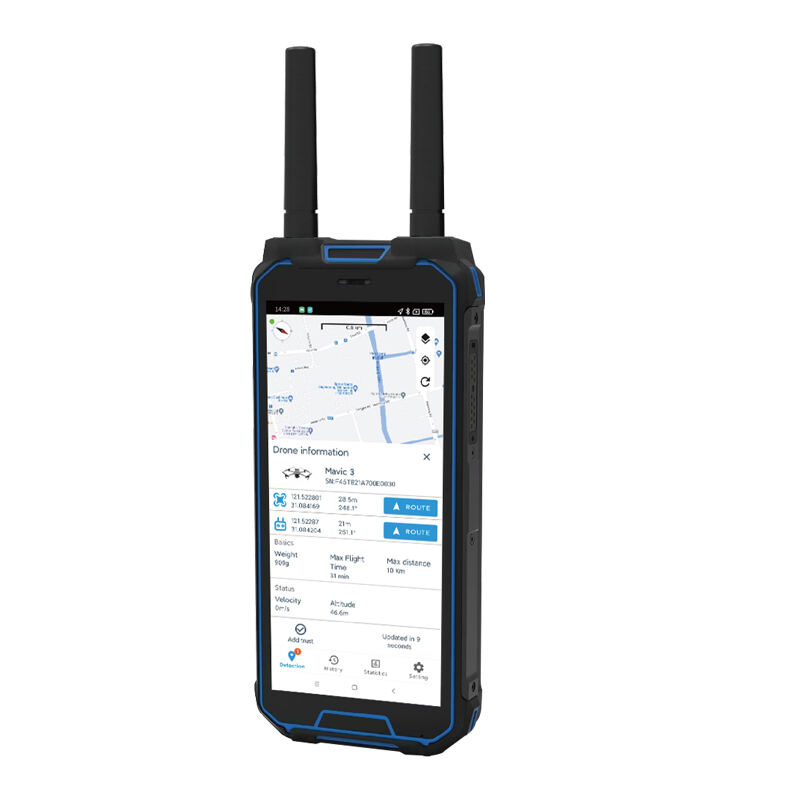
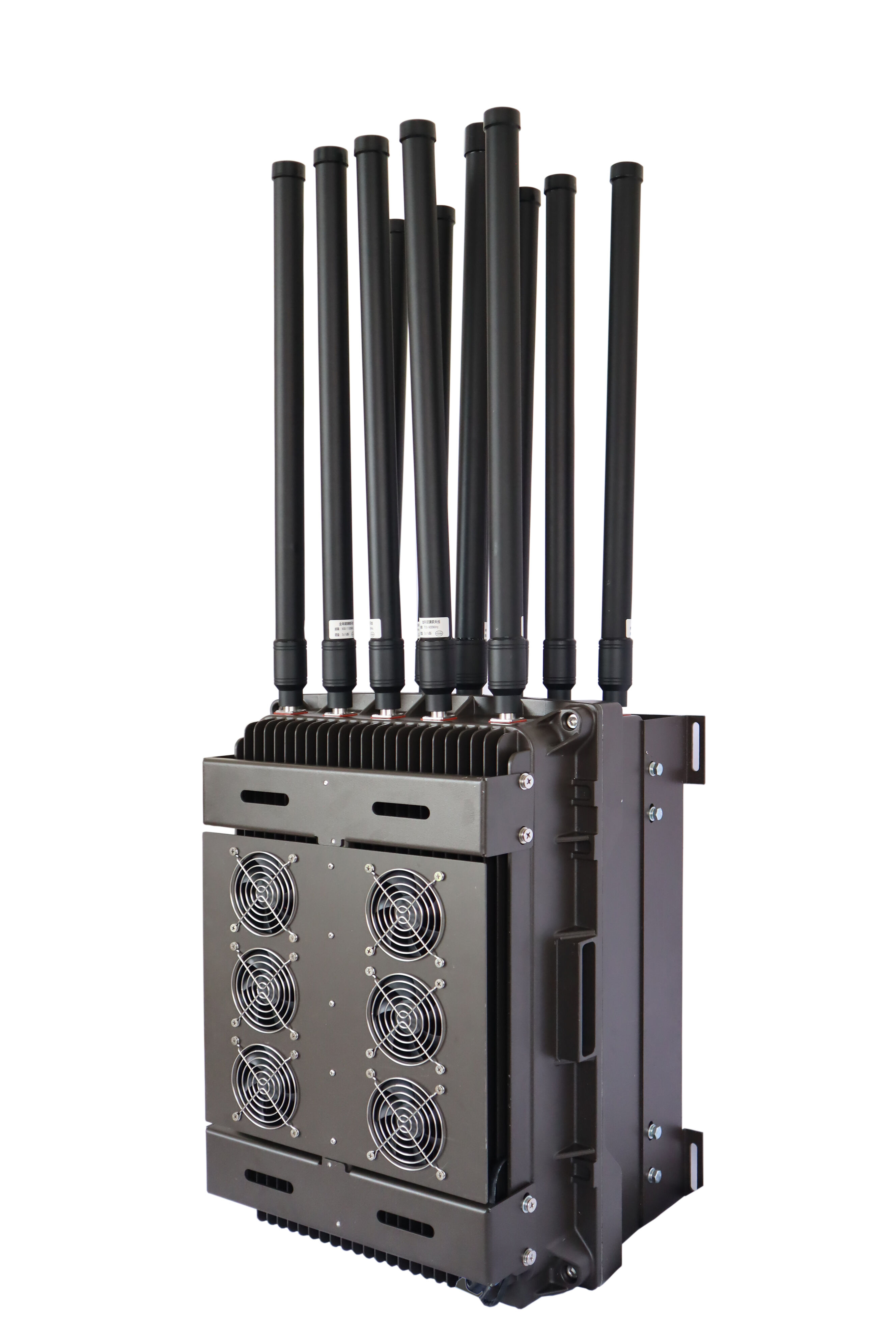
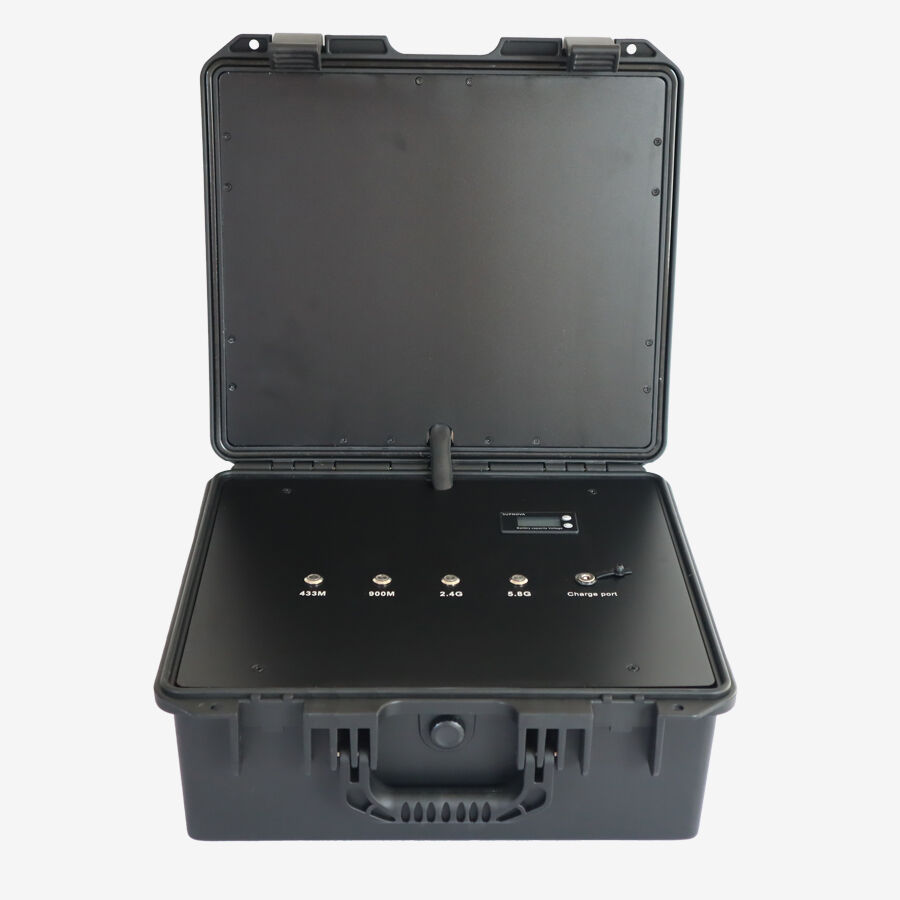
Drone interference with airplanes represents a critical aviation safety concern that has gained significant attention in recent years. These incidents occur when unauthorized drones operate in restricted airspace, particularly near airports and flight paths, potentially compromising aircraft safety. Modern drones, equipped with advanced flight capabilities and extended range, can reach altitudes of several thousand feet, intersecting with commercial flight paths. The technological features of these drones include GPS navigation systems, high-capacity batteries, and sophisticated control mechanisms that enable extended flight times and precise maneuvering. While most commercial drones have built-in geofencing to prevent operation near airports, some users modify these safety features or ignore restrictions. The frequency of drone-aircraft encounters has led to the development of counter-drone technologies, including detection systems using radar, radio frequency sensors, and optical tracking. These systems help identify and monitor unauthorized drone activity near airports. Aviation authorities worldwide have implemented strict regulations and no-fly zones around airports, with severe penalties for violations. Understanding drone interference patterns and characteristics is crucial for developing effective mitigation strategies and maintaining aviation safety standards.

 EN
EN