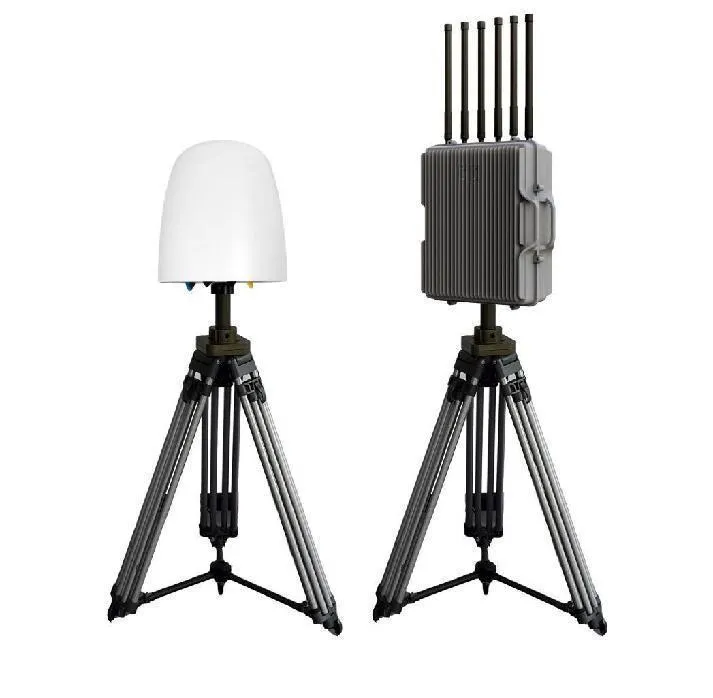
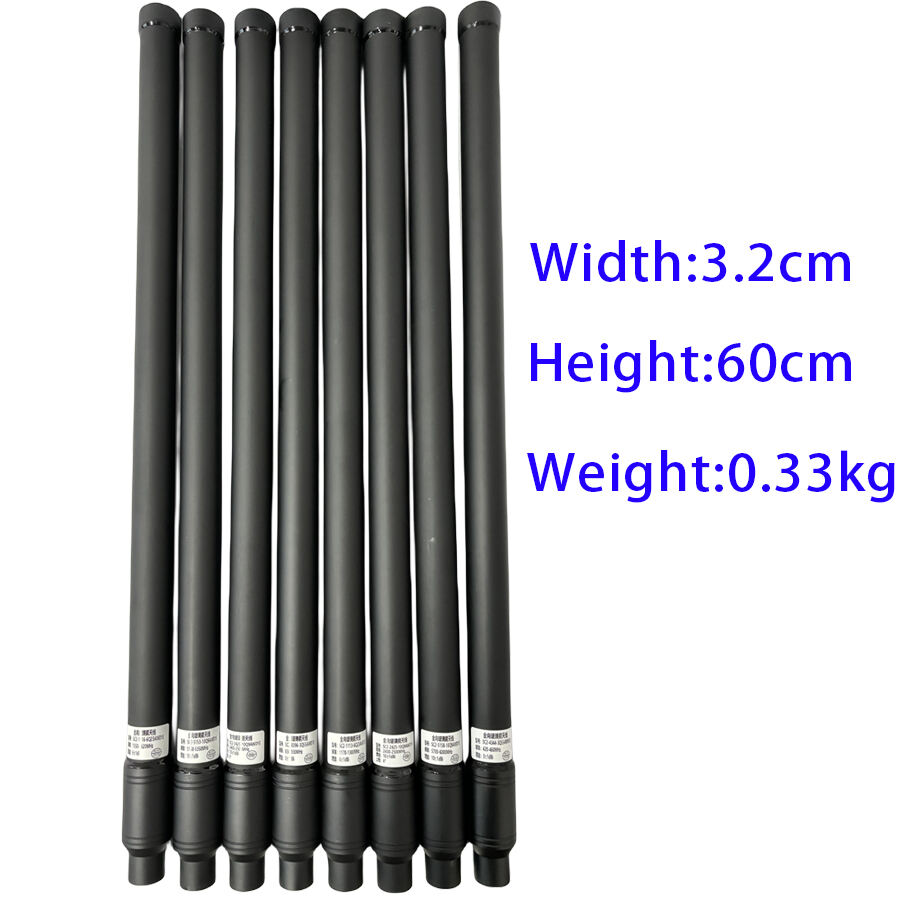
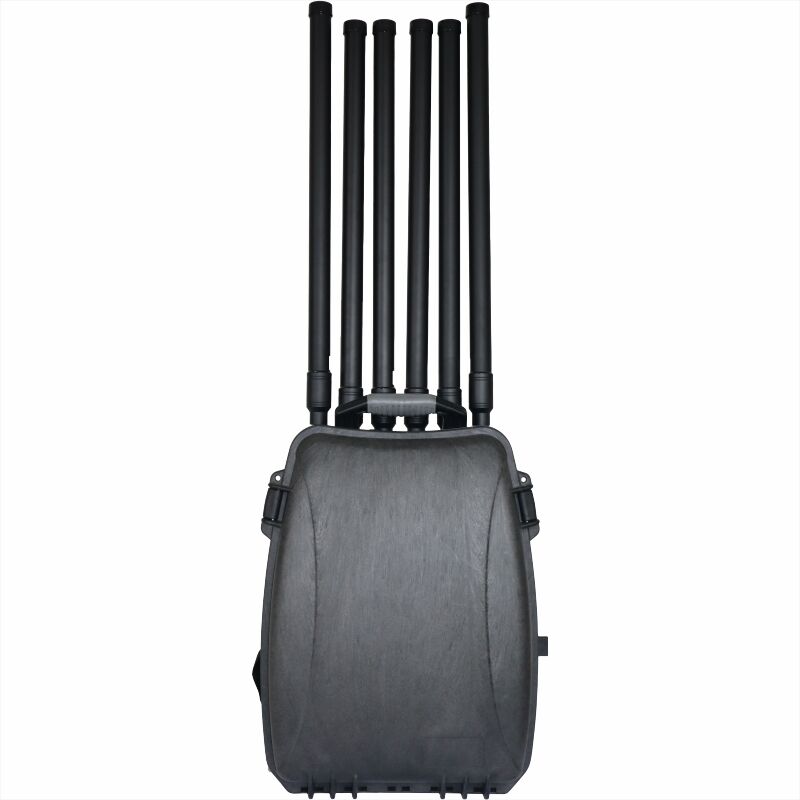
Omnidirectional Antennas: Complete 360° Coverage Solution for Wireless Communications

All Categories

Get a Free Quote

Our representative will contact you soon.
Email
Name
Company Name
Message
0/1000

omni directional antenna types

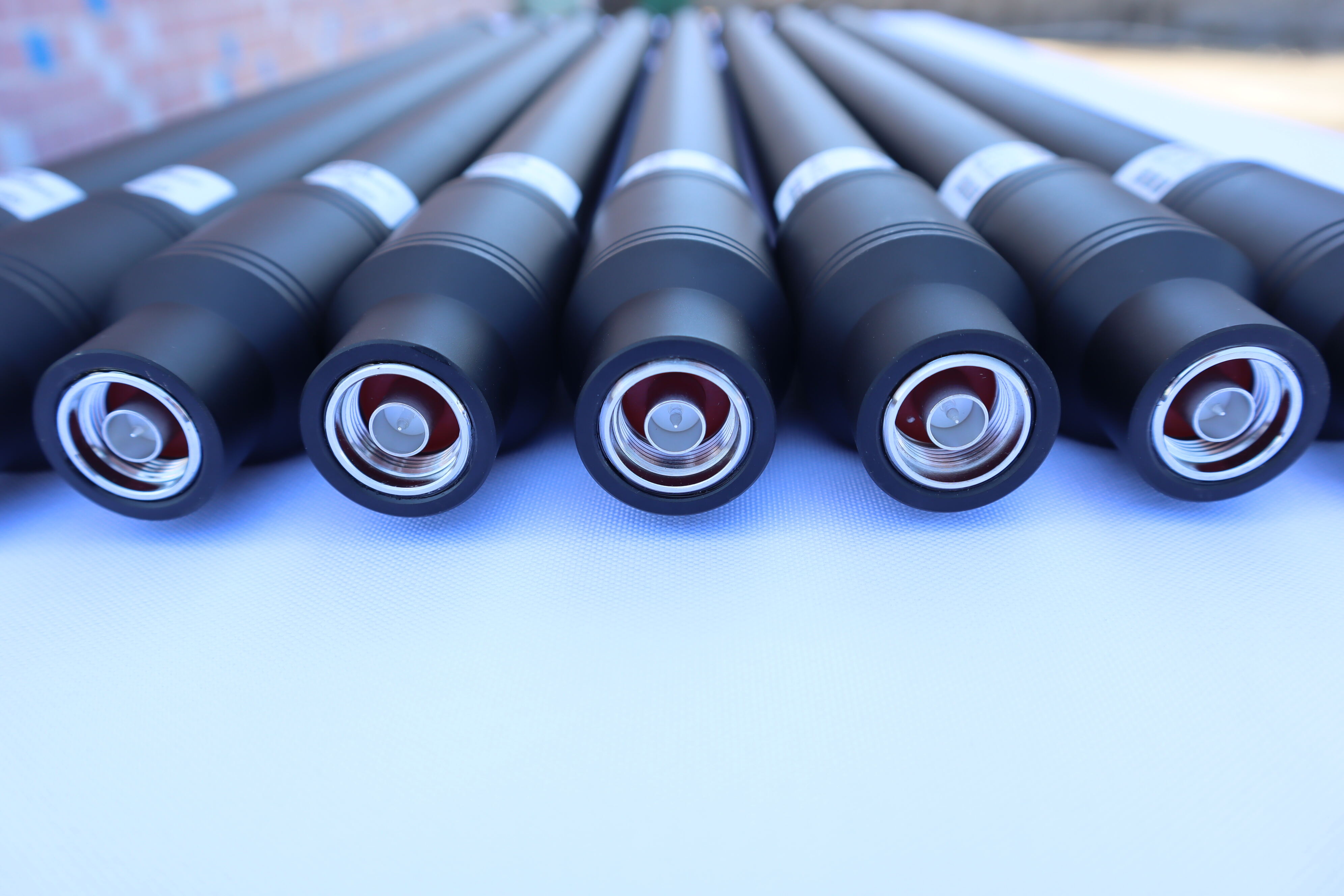
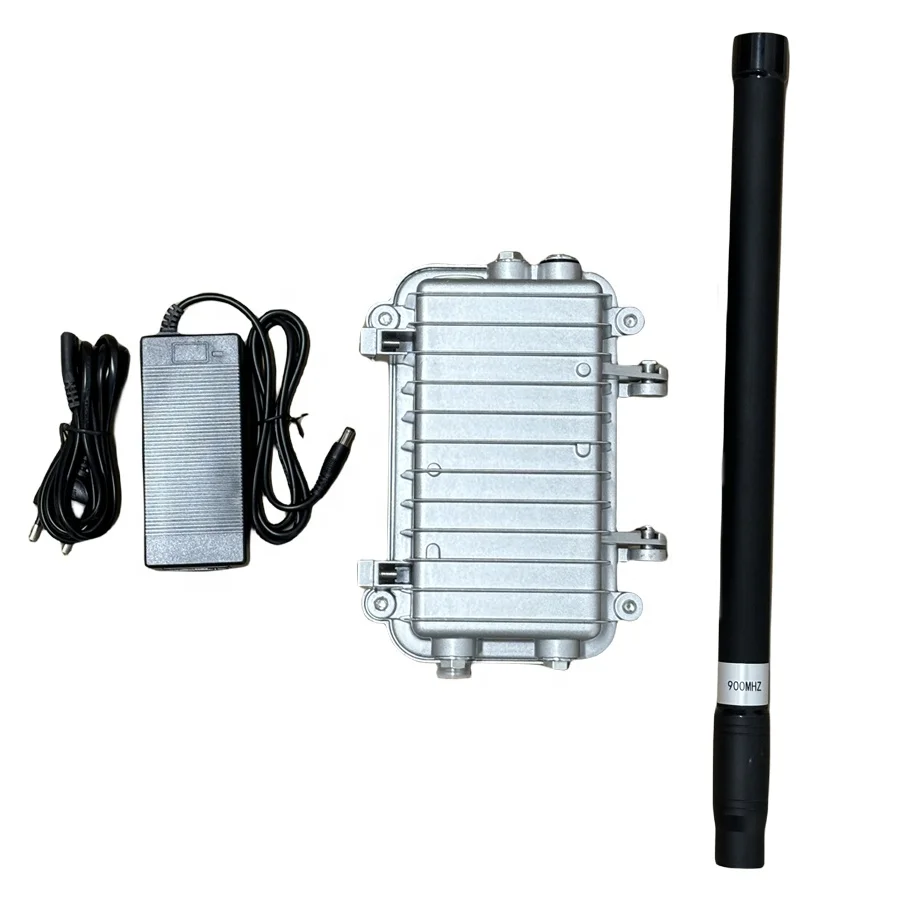
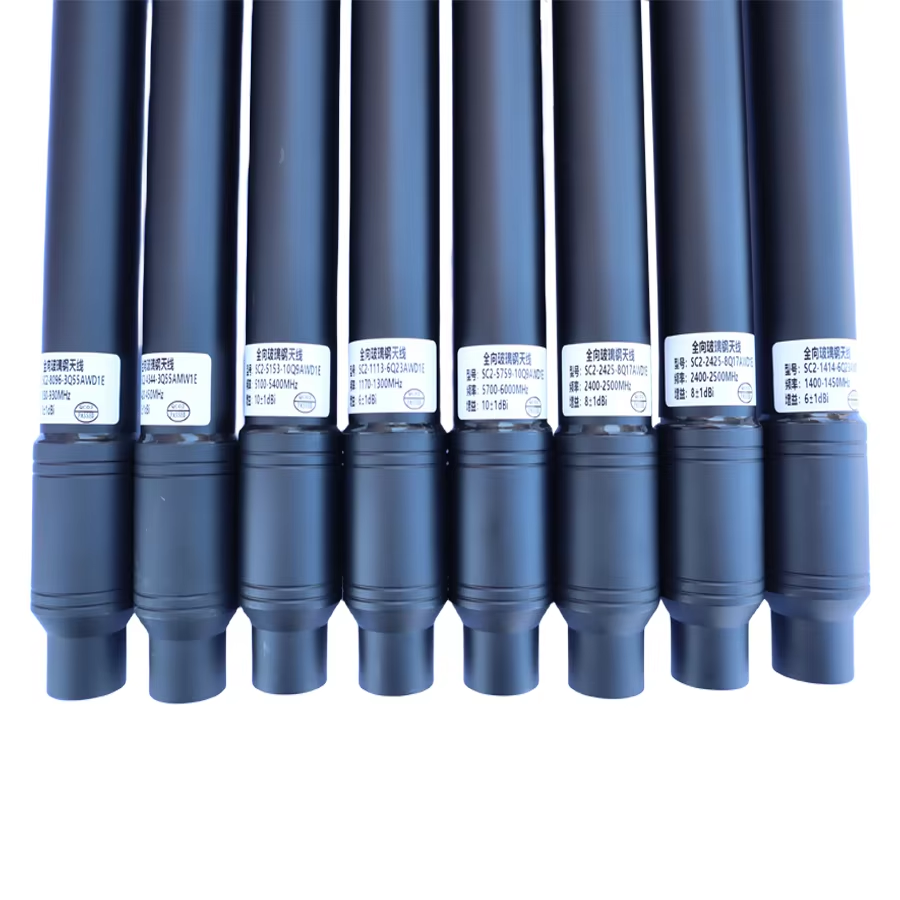
Omnidirectional antennas are sophisticated radio wave emitting devices that broadcast signals in all directions simultaneously, covering a 360-degree horizontal pattern. These versatile antennas are engineered to provide uniform signal distribution across their coverage area, making them ideal for applications requiring widespread connectivity. The technology behind omnidirectional antennas involves a carefully designed radiating element that creates a donut-shaped radiation pattern, allowing signals to reach multiple locations without the need for precise positioning. These antennas come in various forms, including dipole, collinear, and ground plane designs, each optimized for specific frequency ranges and applications. They operate across multiple frequency bands, from VHF and UHF to modern wireless communications frequencies, supporting technologies such as WiFi, cellular networks, and IoT devices. The construction typically features durable materials like fiberglass, aluminum, or copper, ensuring longevity and reliable performance in various environmental conditions. Modern omnidirectional antennas often incorporate advanced features such as gain enhancement techniques, weather resistance, and compatibility with multiple communication protocols, making them essential components in today's wireless infrastructure.
Popular Products

Omnidirectional antennas offer numerous compelling advantages that make them the preferred choice for many wireless applications. Their primary benefit lies in their ability to provide consistent coverage in all directions, eliminating the need for complex antenna positioning and alignment procedures. This characteristic makes installation and maintenance significantly more straightforward compared to directional alternatives. The versatility of these antennas enables them to serve multiple users or devices simultaneously, making them highly cost-effective for network deployments. They excel in mobile applications where the relative position between transmitter and receiver constantly changes, ensuring uninterrupted connectivity regardless of movement patterns. The robust design of modern omnidirectional antennas contributes to their reliability and longevity, reducing maintenance requirements and operational costs over time. These antennas demonstrate excellent performance in urban environments where signal reflections and multipath propagation are common, effectively maintaining stable connections in challenging conditions. Their scalability allows for easy network expansion, as additional devices can be connected without requiring antenna repositioning or system reconfiguration. The simplified network planning process associated with omnidirectional antennas results in faster deployment times and reduced installation costs. Furthermore, their ability to handle multiple frequency bands and protocols simultaneously makes them future-proof investments that can adapt to evolving communication standards.

Practical Tips

How to connect the drone protection module to the power source

17

Jul

How to connect the drone protection module to the power source

View More
How Does an Omnidirectional Antenna Enhance Signal Coverage?

06

Aug

How Does an Omnidirectional Antenna Enhance Signal Coverage?

View More
What Are the Main Functions of a Wireless Communication Jammer?

06

Aug

What Are the Main Functions of a Wireless Communication Jammer?

View More
What Are the Key Features of a Reliable Drone Jammer?

06

Aug

What Are the Key Features of a Reliable Drone Jammer?

View More

Get a Free Quote

Our representative will contact you soon.
Email
Name
Company Name
Message
0/1000

omni directional antenna types

Superior Coverage and Accessibility

Superior Coverage and Accessibility

Omnidirectional antennas excel in providing comprehensive signal coverage through their unique 360-degree radiation pattern. This characteristic ensures consistent signal strength in all directions, making them invaluable for applications requiring widespread connectivity. The uniform signal distribution eliminates dead zones and weak spots typically associated with directional antennas, ensuring reliable communication for all users within the coverage area. This feature is particularly beneficial in scenarios where multiple devices need to connect from various locations, such as public WiFi networks, IoT deployments, or cellular communications. The accessibility advantage extends to mobile applications, where users can move freely within the coverage area without experiencing significant signal degradation or connection drops.
Cost-Effective Network Implementation

Cost-Effective Network Implementation

The economic benefits of implementing omnidirectional antennas stem from their efficient design and versatile capabilities. A single omnidirectional antenna can replace multiple directional units, significantly reducing hardware costs and simplifying network infrastructure. The straightforward installation process requires less technical expertise and time, translating to lower labor costs during deployment. These antennas minimize the need for precise alignment and positioning, reducing installation complexity and associated maintenance expenses. Their ability to serve multiple users simultaneously maximizes the return on investment, making them particularly attractive for commercial and industrial applications where cost efficiency is crucial.
Adaptability and Future-Proofing

Adaptability and Future-Proofing

Modern omnidirectional antennas are designed with adaptability in mind, incorporating features that ensure long-term relevance in rapidly evolving wireless technologies. Their ability to support multiple frequency bands and communication protocols makes them highly versatile and capable of accommodating future technological advances. The robust construction and weather-resistant properties ensure reliable performance across various environmental conditions, extending their operational lifespan. These antennas can easily integrate with existing network infrastructure and support network expansion without requiring significant modifications or replacements. Their adaptability extends to supporting emerging technologies and standards, making them a sound investment for organizations looking to future-proof their wireless communications infrastructure.

Get a Free Quote

Our representative will contact you soon.
Email
Name
Company Name
Message
0/1000