Modern airspace security faces unprecedented challenges as unmanned aerial vehicles become increasingly accessible to both legitimate operators and malicious actors. Sensitive airspace zones, including airports, military installations, government facilities, and critical infrastructure sites, require robust protection mechanisms to prevent unauthorized drone intrusions. The deployment of advanced anti drone systems has become essential for maintaining operational security and protecting public safety in these high-risk environments.

The proliferation of commercial drones has created a complex security landscape where traditional air defense systems prove inadequate for addressing small, low-flying unmanned threats. Security professionals must understand the specific applications and deployment strategies for anti drone technology to effectively protect sensitive airspace from potential breaches.
Understanding Sensitive Airspace Classifications
Airport Security Zones
Commercial aviation facilities represent some of the most critical environments requiring anti drone protection systems. These locations face constant threats from unauthorized aerial devices that can disrupt flight operations, endanger passengers, and cause significant economic losses. Airport security teams deploy sophisticated detection networks that monitor multiple frequency bands to identify potential drone threats before they enter restricted airspace.
The implementation of anti drone technology at airports involves establishing multiple detection perimeters that provide early warning capabilities. Primary detection zones typically extend several kilometers beyond runway approaches, while secondary zones create protective barriers around terminal buildings and aircraft parking areas. Advanced systems integrate radar, radio frequency analyzers, and optical sensors to ensure comprehensive coverage of all potential threat vectors.
Military Installation Protection
Defense facilities require the most advanced anti drone systems due to the sensitive nature of military operations and the potential consequences of successful intrusions. These installations often deploy multi-layered defense networks that combine passive detection methods with active countermeasure capabilities. Military-grade systems can simultaneously track multiple aerial targets while maintaining operational readiness for immediate threat neutralization.
Strategic military locations utilize specialized anti drone equipment designed to operate in complex electromagnetic environments without interfering with essential communication systems. These advanced platforms incorporate artificial intelligence algorithms that can distinguish between friendly and hostile aircraft, reducing false alarms while maintaining maximum security effectiveness.
Detection Technologies and Methodologies
Radio Frequency Analysis Systems
Modern anti drone systems employ sophisticated radio frequency scanning capabilities to identify unmanned aircraft by analyzing their communication signatures. These systems monitor common drone control frequencies and can detect both commercial and custom-built aerial vehicles operating within protected airspace. Advanced RF analysis platforms can identify specific drone models and predict flight patterns based on communication protocols.
The effectiveness of RF-based detection depends on comprehensive frequency spectrum coverage and the ability to differentiate between legitimate wireless communications and drone control signals. Security teams utilize databases of known drone signatures to improve identification accuracy and reduce false positive detections that could disrupt normal operations.
Radar Integration Capabilities
Complementary radar systems enhance anti drone detection by providing precise location data and tracking information for aerial threats. These radar platforms use specialized algorithms optimized for detecting small, slow-moving targets that traditional air defense systems might overlook. Integration with existing security infrastructure allows operators to correlate radar detections with other sensor inputs for improved threat assessment.
Modern radar-based anti drone solutions incorporate adaptive signal processing techniques that can distinguish between birds, weather phenomena, and actual unmanned aircraft. This capability significantly reduces false alarms while ensuring that genuine security threats receive immediate attention from response teams.
Active Countermeasure Implementation
Signal Jamming Techniques
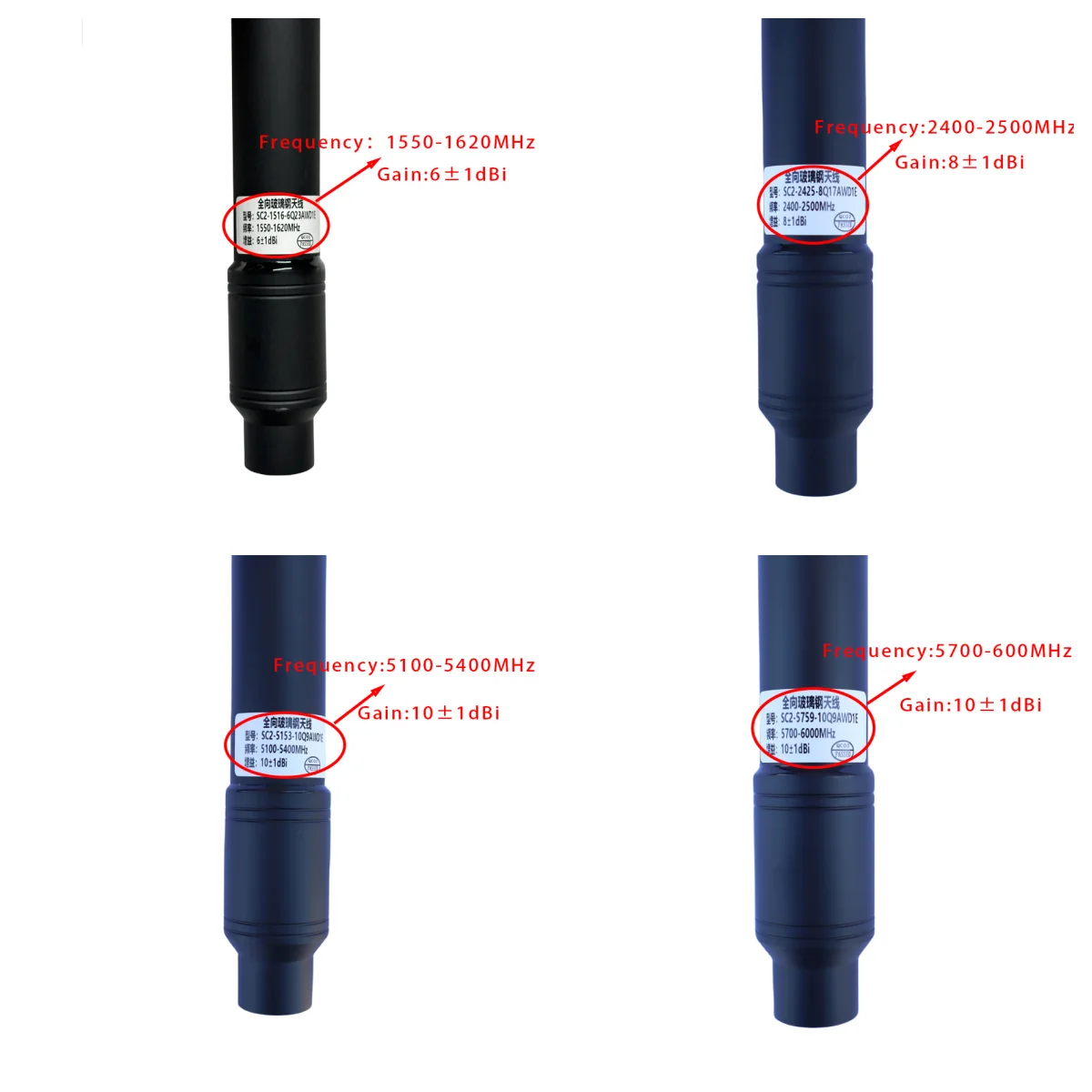
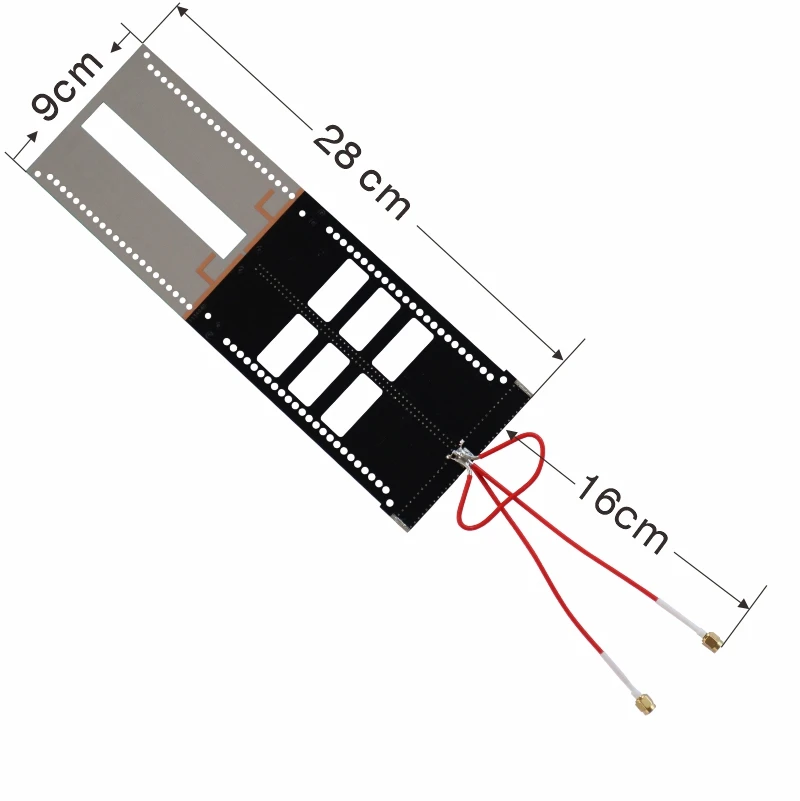
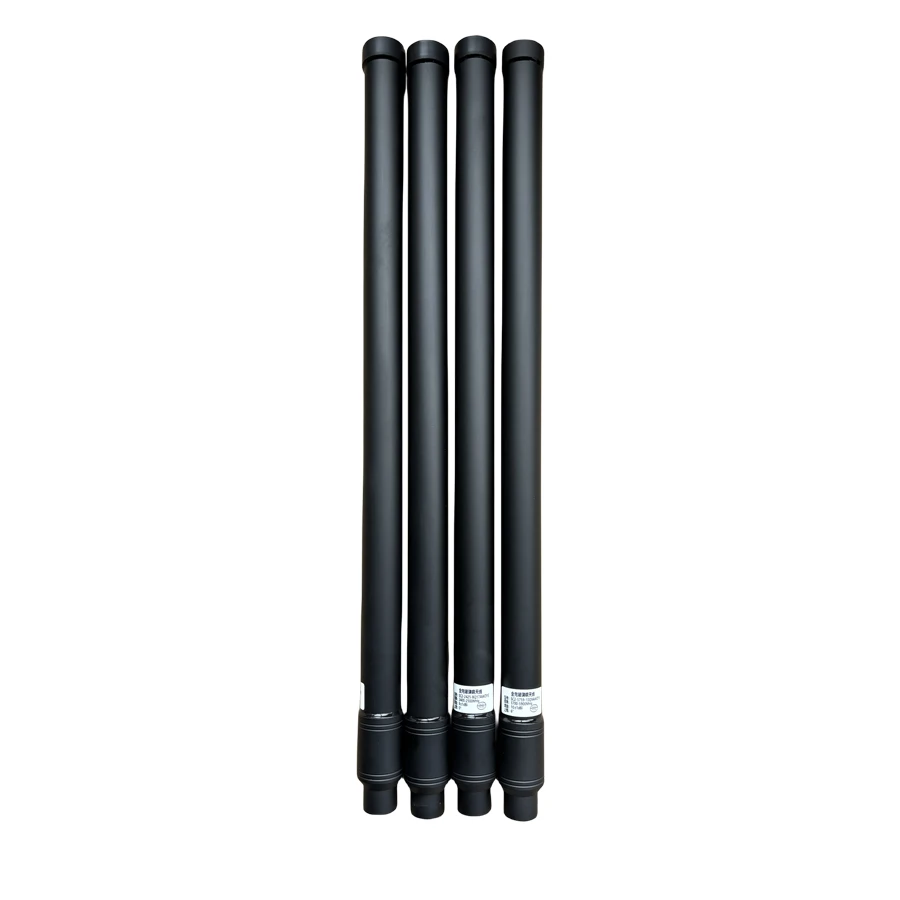
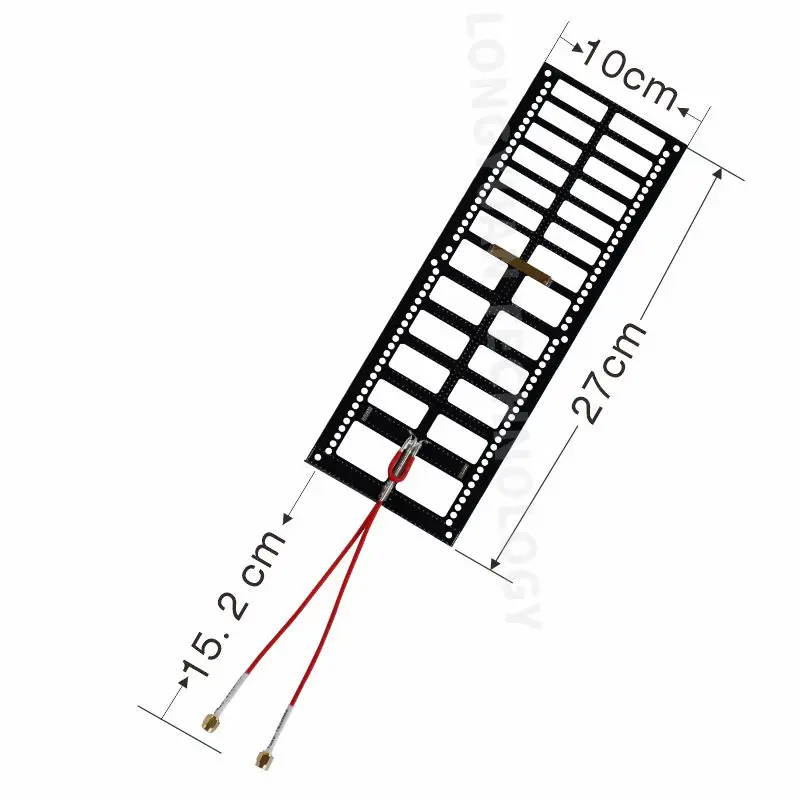
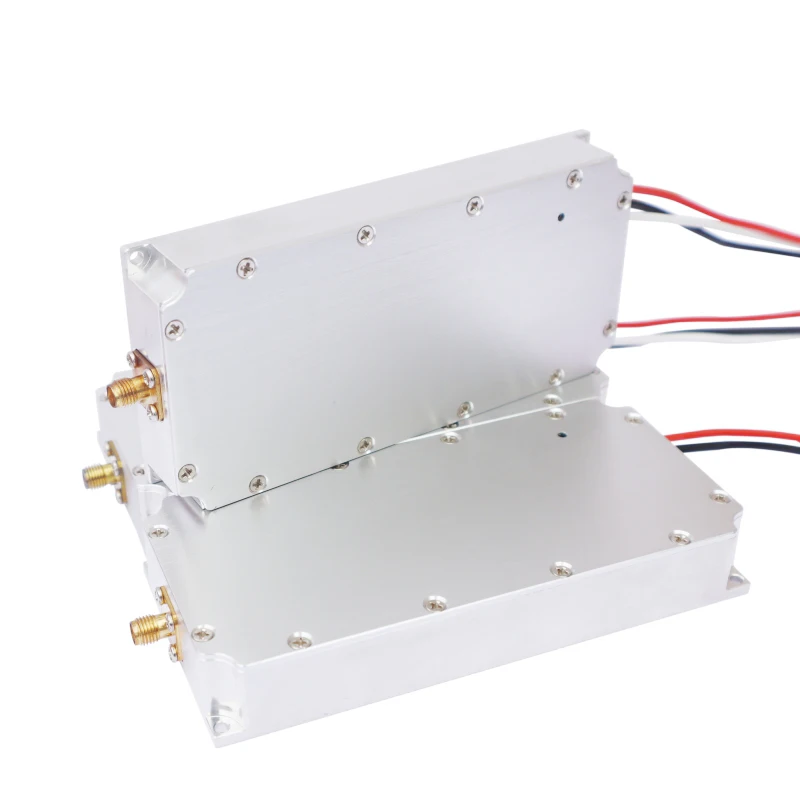
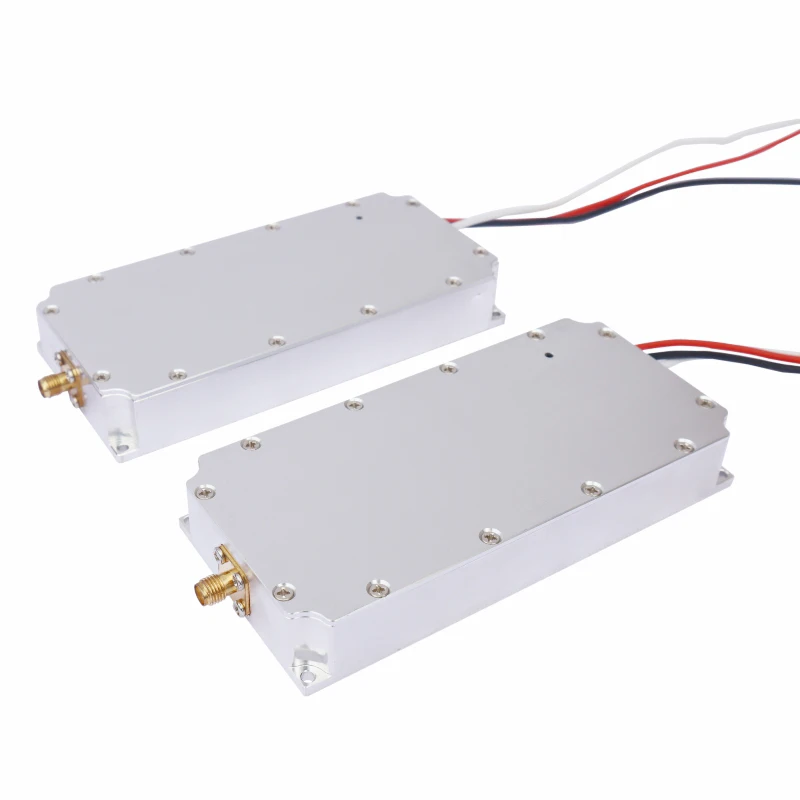
Active countermeasure systems provide security teams with the ability to neutralize drone threats through targeted signal disruption. These Anti Drone platforms can selectively jam control frequencies while minimizing interference with authorized communications equipment. Advanced jamming systems offer frequency-specific targeting that allows operators to disable threatening aircraft without affecting nearby electronic systems.
The deployment of jamming countermeasures requires careful coordination with regulatory authorities to ensure compliance with electromagnetic spectrum regulations. Security professionals must balance effective threat neutralization with the need to maintain normal communication operations within protected facilities.
Physical Interception Methods
Some anti drone systems incorporate physical interception capabilities designed to capture or destroy threatening aircraft through kinetic means. These systems may utilize projectile launchers, net deployment mechanisms, or trained birds of prey to physically remove unauthorized drones from protected airspace. Physical interception methods provide definitive threat elimination when electronic countermeasures prove insufficient.
The selection of appropriate physical countermeasure systems depends on environmental factors, collateral damage considerations, and the specific threat profiles anticipated in each protected zone. Security teams must evaluate the potential consequences of debris falling within populated areas when implementing kinetic anti drone solutions.
Integration with Existing Security Infrastructure
Command and Control Systems
Effective anti drone deployment requires seamless integration with existing security management platforms to provide operators with unified situational awareness. Modern systems incorporate standardized communication protocols that allow drone detection data to flow directly into established security operations centers. This integration enables coordinated response procedures that leverage both anti drone capabilities and traditional security resources.
Advanced command and control interfaces provide security personnel with real-time threat visualization, automated alert systems, and decision support tools that enhance response effectiveness. These platforms can automatically initiate countermeasure procedures based on predetermined threat criteria while maintaining human oversight for critical decisions.
Regulatory Compliance Considerations
The implementation of anti drone systems must comply with local aviation regulations and electromagnetic spectrum management requirements. Security teams work closely with regulatory authorities to obtain necessary permits and ensure that countermeasure operations do not interfere with legitimate aircraft or communication systems. Compliance documentation includes detailed operational procedures, equipment specifications, and emergency response protocols.
Regular coordination with air traffic control authorities ensures that anti drone operations do not conflict with scheduled aviation activities. This collaboration includes establishing communication procedures for threat notifications and coordinating response actions that might affect aircraft routing in surrounding airspace.
Operational Deployment Strategies
Perimeter Defense Networks
Strategic anti drone deployment involves establishing multiple detection and countermeasure zones that provide layered protection around sensitive facilities. Perimeter networks typically include outer detection zones that provide early warning, intermediate assessment areas where threats undergo detailed analysis, and inner protection zones where active countermeasures engage confirmed hostile aircraft.
The design of effective perimeter networks considers terrain features, electromagnetic environment characteristics, and potential threat approach vectors. Security planners utilize modeling software to optimize sensor placement and ensure comprehensive coverage while minimizing system redundancy and operational costs.
Mobile Response Capabilities
Some security applications require portable anti drone systems that can be rapidly deployed to address emerging threats or provide temporary protection for special events. Mobile platforms offer flexibility for dynamic security scenarios where fixed installations may prove inadequate. These systems incorporate self-contained detection and countermeasure capabilities that can operate independently or integrate with existing security networks.
The development of mobile anti drone capabilities includes considerations for power requirements, transportation logistics, and rapid deployment procedures. Security teams train extensively on mobile system operation to ensure effective response times during emergency situations.
FAQ
What types of facilities require anti drone protection systems
Facilities requiring anti drone protection include airports, military bases, government buildings, power plants, correctional facilities, stadiums during major events, and critical infrastructure sites. Any location where unauthorized aerial surveillance or disruption could compromise security, safety, or operations benefits from implementing comprehensive anti drone systems.
How do anti drone systems differentiate between authorized and unauthorized aircraft
Modern anti drone systems use multiple identification methods including radio frequency signature analysis, flight pattern recognition, geofencing compliance verification, and integration with air traffic management databases. Advanced systems can identify specific aircraft models and cross-reference detected flights with authorized operation schedules to determine threat status.
What are the legal considerations for deploying anti drone countermeasures
Legal deployment of anti drone systems requires compliance with aviation regulations, electromagnetic spectrum management rules, and local laws governing signal jamming activities. Organizations must obtain appropriate permits, coordinate with aviation authorities, and ensure that countermeasure operations do not interfere with legitimate aircraft or communication systems in surrounding areas.
How effective are current anti drone technologies against sophisticated threats
Current anti drone technologies demonstrate high effectiveness against commercial drones and basic custom-built aircraft through comprehensive detection networks and reliable countermeasure systems. However, sophisticated threats may employ advanced evasion techniques, requiring continuous system updates and integration of emerging detection technologies to maintain protective capabilities.
Table of Contents
- Understanding Sensitive Airspace Classifications
- Detection Technologies and Methodologies
- Active Countermeasure Implementation
- Integration with Existing Security Infrastructure
- Operational Deployment Strategies
-
FAQ
- What types of facilities require anti drone protection systems
- How do anti drone systems differentiate between authorized and unauthorized aircraft
- What are the legal considerations for deploying anti drone countermeasures
- How effective are current anti drone technologies against sophisticated threats