All Categories

Get a Free Quote

Our representative will contact you soon.
Email
Name
Company Name
Message
0/1000

How to Choose a Detector for Drone Tracking and Localization?

2025-11-18 10:30:00
How to Choose a Detector for Drone Tracking and Localization?

Modern airspace security faces unprecedented challenges as unmanned aerial vehicles become increasingly sophisticated and accessible. Organizations across industries require reliable detection systems to identify, track, and respond to potential drone threats. Understanding the critical factors that influence detector selection enables security professionals to implement comprehensive airspace monitoring solutions that protect sensitive facilities and maintain operational integrity.

drone detector

Detection Technology Fundamentals

Radio Frequency Analysis Capabilities

Radio frequency detection forms the backbone of most contemporary drone monitoring systems. These technologies intercept and analyze communication signals between drones and their operators, providing real-time intelligence about aircraft presence and operational characteristics. Advanced RF systems can differentiate between various drone models by examining unique signal signatures, transmission frequencies, and communication protocols used by different manufacturers.

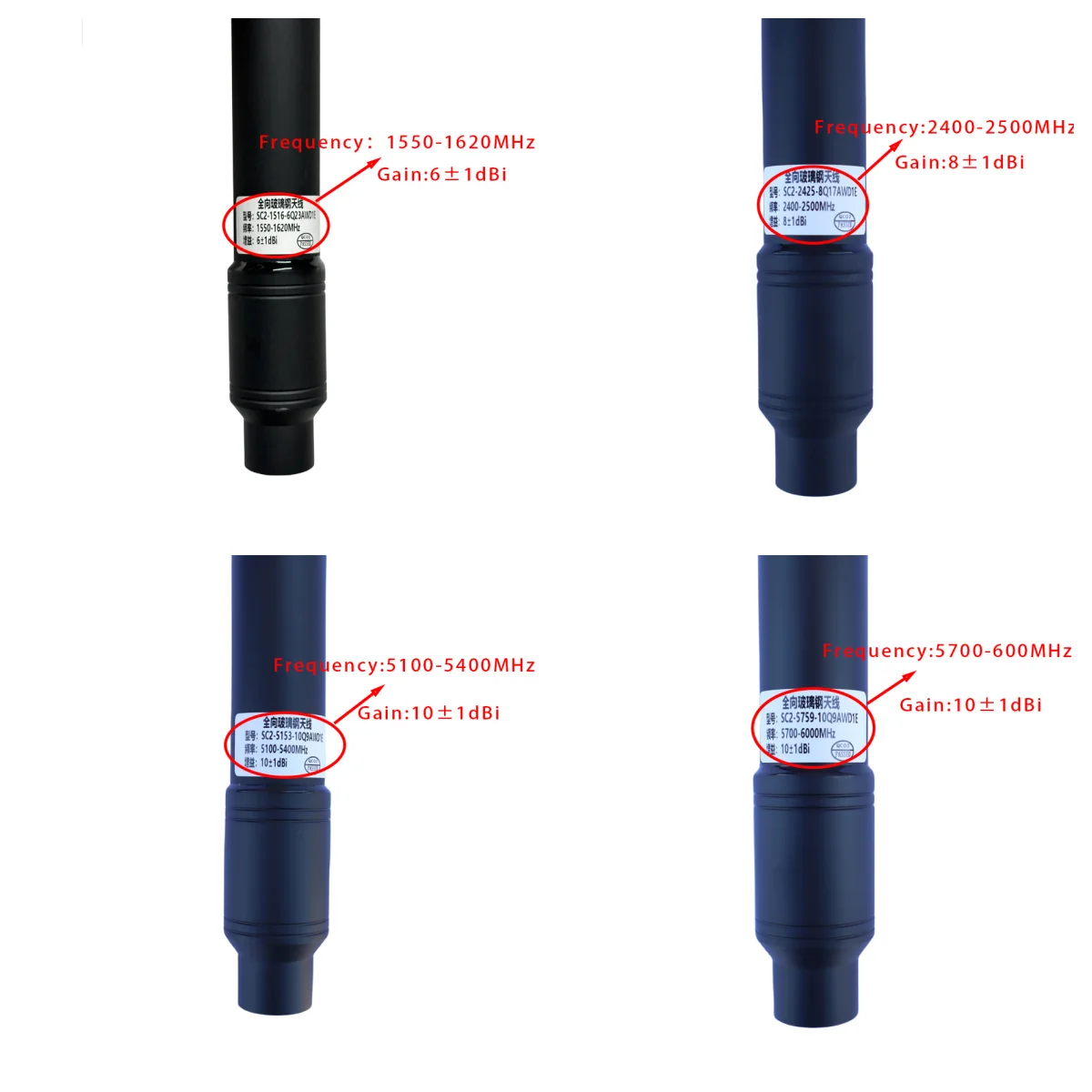
The effectiveness of RF-based detection depends heavily on signal processing algorithms and frequency coverage capabilities. Modern systems must accommodate an expanding spectrum of communication channels, including traditional 2.4 GHz and 5.8 GHz bands, as well as emerging frequencies used by commercial and military-grade platforms. Signal analysis depth determines whether the system can provide basic presence alerts or detailed operational intelligence including flight patterns and control commands.

Acoustic Detection Methods

Acoustic sensors complement RF detection by identifying the distinctive sound signatures produced by drone propulsion systems. These sensors excel in environments where RF signals may be limited or where drones operate using autonomous flight modes without continuous radio communication. Advanced acoustic systems utilize machine learning algorithms to distinguish drone sounds from ambient noise, aircraft, and other environmental audio sources.

Environmental factors significantly impact acoustic detection performance, including wind conditions, background noise levels, and terrain characteristics. Effective acoustic systems incorporate multiple sensor arrays and sophisticated filtering algorithms to maintain detection accuracy across varying operational conditions. The integration of acoustic data with other detection methods enhances overall system reliability and reduces false positive rates.

Range and Coverage Requirements

Detection Distance Specifications

Detection range requirements vary significantly based on facility size, threat assessment, and response time considerations. Critical infrastructure facilities typically require detection capabilities extending several kilometers beyond perimeter boundaries to provide adequate response time for security teams. The relationship between detection range and signal strength creates technical challenges that influence system design and deployment strategies.

Environmental obstacles including buildings, terrain features, and electromagnetic interference can substantially impact effective detection range. Modern drone detector systems incorporate adaptive sensitivity controls and multiple sensor positioning to overcome range limitations. Understanding these constraints enables organizations to develop realistic coverage expectations and implement appropriate sensor deployment patterns.

Coverage Pattern Analysis

Comprehensive airspace coverage requires careful analysis of detection patterns and potential blind spots within the protected area. Three-dimensional coverage considerations become particularly important when protecting facilities with varying elevation profiles or complex architectural features. Effective coverage planning incorporates detailed site surveys and threat vector analysis to identify optimal sensor placement locations.

Sensor overlap zones enhance detection reliability while providing redundancy against individual sensor failures or environmental interference. Strategic positioning of multiple detection units creates interlocking coverage patterns that minimize gaps and provide continuous monitoring capabilities. Advanced systems incorporate automated coverage analysis tools that identify potential vulnerabilities and recommend sensor placement adjustments.

Integration and Response Capabilities

System Integration Requirements

Modern security environments demand seamless integration between drone detection systems and existing security infrastructure. Effective integration encompasses communication protocols, data sharing capabilities, and coordinated response mechanisms that enhance overall facility protection. Standardized interfaces enable detection systems to share threat intelligence with video surveillance, access control, and emergency response platforms.

Real-time data processing and analysis capabilities determine how quickly detection information can be translated into actionable intelligence. Advanced systems provide automated threat assessment, classification algorithms, and predictive analysis that enables security personnel to prioritize responses and allocate resources effectively. Integration with command and control platforms centralizes threat monitoring and enables coordinated multi-system responses.

Response Time Optimization

Detection effectiveness ultimately depends on the ability to convert threat identification into appropriate response actions within acceptable timeframes. Rapid alert generation and distribution systems ensure that security personnel receive timely notifications with sufficient detail to assess threat severity and implement appropriate countermeasures. Automated response protocols can initiate predetermined actions including facility lockdowns, personnel notifications, and law enforcement alerts.

Response capability assessment should consider available countermeasures, personnel training levels, and coordination requirements with external agencies. Effective response planning incorporates escalation procedures, communication protocols, and documentation requirements that support post-incident analysis and continuous improvement initiatives. Regular response exercises validate system performance and identify areas requiring enhancement or additional training.

Environmental and Operational Considerations

Weather Resistance and Durability

Outdoor deployment environments subject detection equipment to challenging weather conditions that can impact performance and longevity. Temperature extremes, precipitation, humidity, and wind exposure require robust housing and environmental protection systems. Military-grade specifications and industrial hardening technologies ensure consistent operation across diverse climate conditions and seasonal variations.

Maintenance requirements and accessibility considerations influence long-term operational costs and system reliability. Equipment designed for minimal maintenance requirements reduces operational burden while ensuring consistent performance over extended deployment periods. Weather monitoring integration can provide automated adjustments for environmental conditions that might affect detection sensitivity or false alarm rates.

Power and Communication Infrastructure

Reliable power supplies and communication links form critical infrastructure components for sustained detection operations. Remote deployment locations may require alternative power solutions including solar panels, battery backup systems, or generator integration. Communication redundancy through multiple channels ensures continuous connectivity even when primary networks experience disruptions or interference.

Network security considerations become particularly important when detection systems connect to organizational networks or cloud-based monitoring platforms. Encrypted communication protocols, secure authentication mechanisms, and network isolation procedures protect sensitive detection data while maintaining operational functionality. Regular security assessments and updates ensure continued protection against emerging cyber threats.

Performance Metrics and Evaluation

Detection Accuracy Assessment

Quantitative performance metrics provide objective criteria for comparing different drone detector technologies and configurations. Detection probability, false alarm rates, and classification accuracy represent key performance indicators that influence operational effectiveness. Comprehensive testing protocols should evaluate performance across various drone types, operational scenarios, and environmental conditions.

Statistical analysis of detection performance helps identify optimal system configurations and operational parameters. Long-term performance tracking enables organizations to validate manufacturer specifications, identify degradation trends, and optimize maintenance schedules. Performance benchmarking against industry standards provides context for evaluation and helps establish realistic operational expectations.

Cost-Effectiveness Analysis

Total cost of ownership calculations encompass initial acquisition costs, installation expenses, ongoing maintenance requirements, and operational support needs. Lifecycle cost analysis provides more accurate financial projections than initial purchase price comparisons alone. Training requirements, spare parts availability, and technical support accessibility significantly impact long-term operational costs and system viability.

Return on investment calculations should consider risk mitigation value, operational efficiency improvements, and regulatory compliance benefits. Quantifying the potential costs of security incidents or operational disruptions helps justify detector investments and supports budget allocation decisions. Scalability considerations ensure that initial investments can accommodate future expansion requirements without complete system replacement.

FAQ

What detection range is sufficient for most commercial applications

Commercial facilities typically require detection ranges between 1-3 kilometers depending on facility size and threat assessment. Critical infrastructure may need extended ranges up to 5 kilometers to provide adequate response time. Environmental factors and local regulations also influence optimal detection distance requirements.

How do environmental conditions affect drone detector performance

Weather conditions including rain, snow, and extreme temperatures can impact both RF and acoustic detection capabilities. Modern systems incorporate environmental compensation algorithms and weatherproof housing to maintain consistent performance. Regular calibration and maintenance help optimize detection accuracy across varying conditions.

Can drone detectors identify specific aircraft models and operators

Advanced detection systems can identify drone models through signal analysis and may provide information about control frequencies and flight patterns. However, operator identification typically requires additional intelligence sources beyond basic detection capabilities. Legal and privacy considerations may limit the extent of information collection and analysis.

What integration capabilities are essential for security applications

Essential integration features include standardized communication protocols, real-time alert generation, and compatibility with existing security management platforms. API connectivity, database integration, and automated response triggering enhance operational effectiveness. Scalable architecture supports future expansion and technology upgrades without complete system replacement.