All Categories

Get a Free Quote

Our representative will contact you soon.
Email
Name
Company Name
Message
0/1000

What Makes a Directional Antenna Ideal for Signal Targeting?

2025-11-14 10:30:00
What Makes a Directional Antenna Ideal for Signal Targeting?

In the rapidly evolving landscape of wireless communications and signal management, the importance of precise signal targeting cannot be overstated. Modern applications ranging from telecommunications infrastructure to security systems require sophisticated equipment capable of focusing electromagnetic energy in specific directions while minimizing unwanted interference. The technology that enables this level of control lies at the heart of advanced antenna systems, where beam shaping and directional capabilities have become essential features for professional installations across multiple industries.

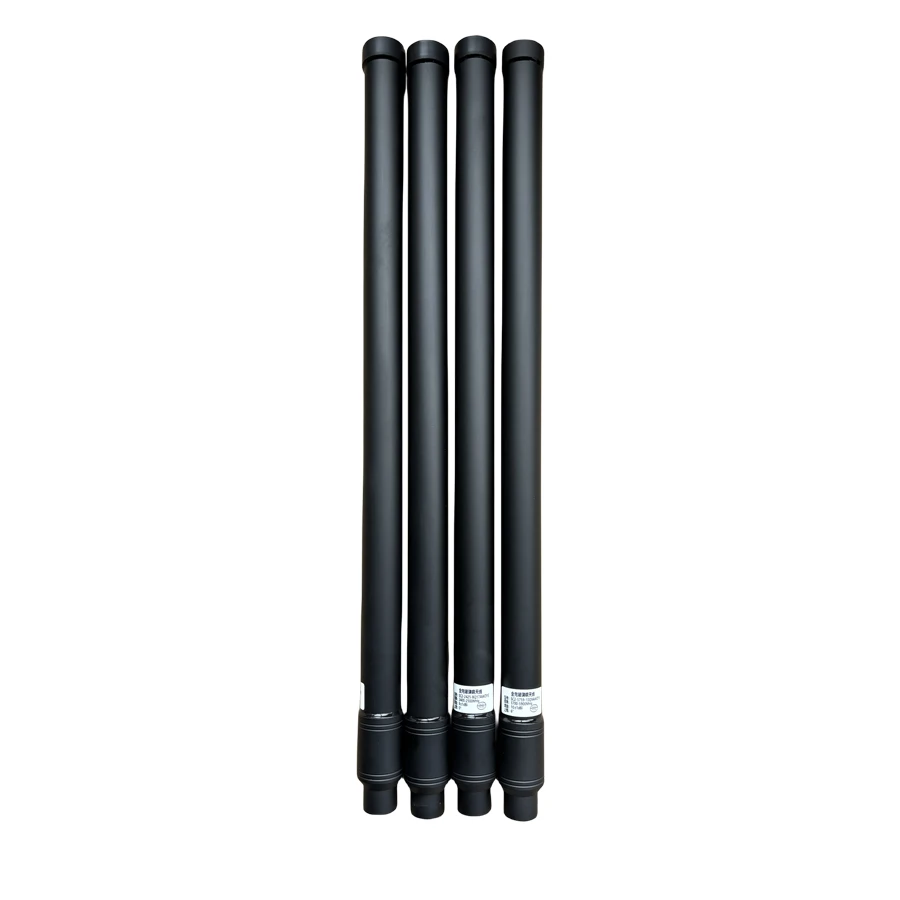
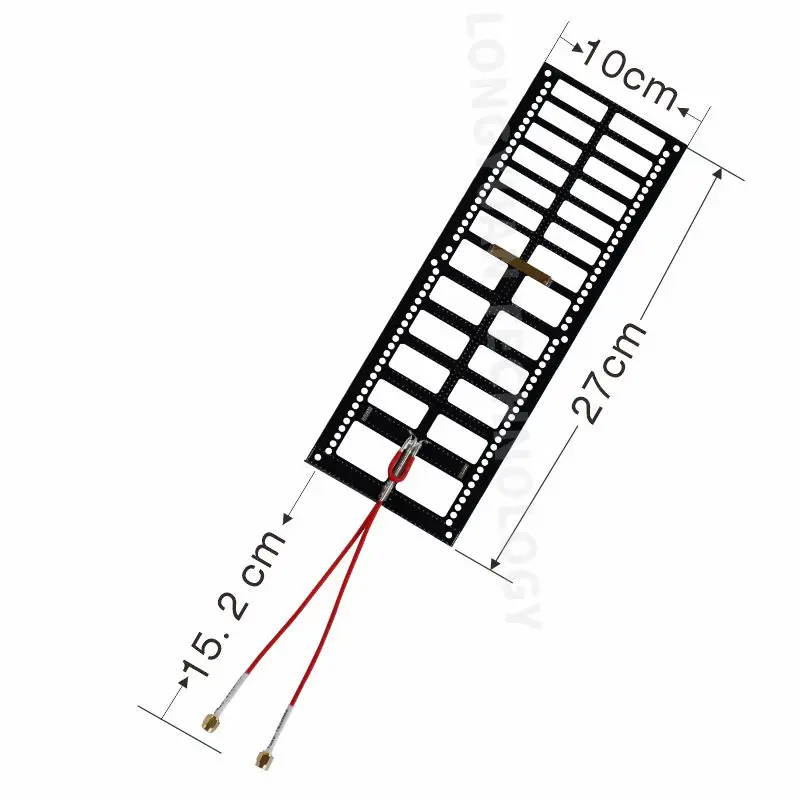
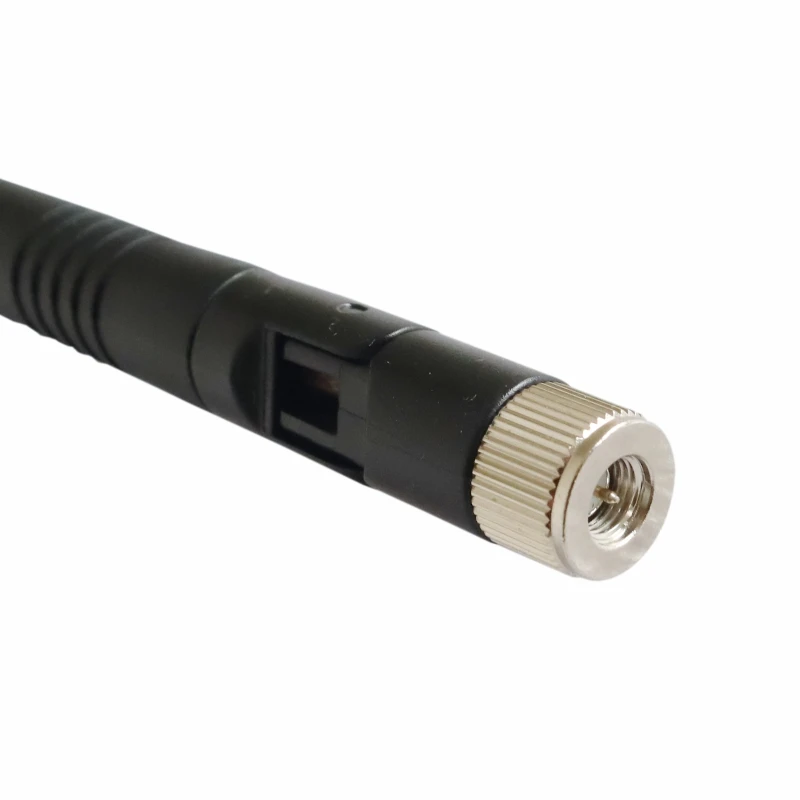
directional antenna

The distinction between omnidirectional and directional signal transmission represents a fundamental shift in how organizations approach wireless communication challenges. While traditional omnidirectional systems broadcast signals uniformly in all directions, directional solutions concentrate energy along specific vectors, creating focused beams that deliver superior performance characteristics. This targeted approach offers significant advantages in terms of signal strength, interference reduction, and overall system efficiency, making it the preferred choice for applications requiring precise control over electromagnetic propagation patterns.

Professional-grade installations increasingly demand equipment that can deliver consistent performance while maintaining operational flexibility across diverse environmental conditions. The integration of advanced materials, sophisticated engineering designs, and precise manufacturing tolerances has resulted in antenna systems capable of meeting the stringent requirements of modern communication networks, security applications, and specialized industrial installations where signal integrity remains paramount to operational success.

Understanding Directional Signal Propagation

Fundamental Principles of Beam Formation

The science behind directional signal propagation relies on the controlled manipulation of electromagnetic waves through carefully designed antenna elements and their geometric arrangements. When electromagnetic energy is fed into a properly configured antenna system, the individual radiating elements work together to create constructive and destructive interference patterns that concentrate the majority of transmitted power along predetermined paths while simultaneously suppressing radiation in unwanted directions.

This beam-forming capability emerges from the precise phase relationships between multiple antenna elements, where engineers can adjust the timing and amplitude of signals fed to each component to achieve specific radiation patterns. The resulting focused beam exhibits characteristics that make it particularly valuable for applications requiring long-range communication, interference mitigation, or selective coverage areas where omnidirectional transmission would prove inefficient or problematic.

The mathematical foundations governing directional propagation involve complex calculations related to antenna aperture, gain patterns, and beamwidth characteristics. These parameters directly influence the antenna's ability to concentrate energy within specific angular ranges while maintaining acceptable side-lobe levels that prevent unwanted signal leakage into adjacent areas or frequency bands.

Frequency Response and Bandwidth Considerations

Different frequency bands exhibit varying propagation characteristics when transmitted through directional antenna systems, with higher frequencies generally offering improved directional control but reduced range capabilities compared to lower frequency alternatives. The relationship between frequency and directional performance creates opportunities for engineers to optimize antenna designs for specific applications, balancing factors such as beamwidth, gain, and operational bandwidth to achieve desired performance objectives.

Modern directional antenna systems incorporate wideband design principles that enable operation across multiple frequency ranges while maintaining consistent beam patterns and gain characteristics. This versatility proves essential in applications where frequency agility or simultaneous multi-band operation becomes necessary for optimal system performance.

The selection of appropriate frequency bands for directional applications must account for regulatory requirements, propagation characteristics, and interference potential within the operational environment. Engineers must balance these competing factors while ensuring that the chosen frequency range aligns with both technical requirements and regulatory compliance standards applicable to the specific deployment scenario.

Design Elements That Enable Signal Targeting

Antenna Array Configuration and Geometry

The physical arrangement of radiating elements within a directional antenna system plays a crucial role in determining the resulting beam characteristics and targeting capabilities. Linear arrays, planar arrays, and three-dimensional configurations each offer distinct advantages depending on the specific application requirements and desired coverage patterns. The spacing between individual elements must be carefully calculated to prevent grating lobes while ensuring constructive interference along the main beam direction.

Advanced array geometries incorporate sophisticated feeding networks that distribute signals to individual elements with precise phase and amplitude control. These networks enable beam steering capabilities, allowing operators to electronically adjust the direction of maximum radiation without physical antenna repositioning. The complexity of these feeding systems varies significantly based on the desired level of beam control and the number of independent radiating elements incorporated within the overall antenna structure.

Modern manufacturing techniques have enabled the development of highly precise antenna arrays with tight tolerances that ensure consistent performance across production runs. Computer-aided design tools allow engineers to simulate and optimize array configurations before physical construction, reducing development time while improving the predictability of final performance characteristics.

Reflector Systems and Parasitic Elements

Reflector-based directional antennas utilize parabolic or shaped surfaces to focus electromagnetic energy in specific directions, similar to how optical systems concentrate light beams. These systems typically feature a primary feed antenna positioned at the focal point of a curved reflector surface, creating a highly directional beam with excellent gain characteristics and low side-lobe levels that minimize interference potential.

Parasitic element designs, including Yagi-Uda and log-periodic configurations, employ directors and reflectors to shape radiation patterns without requiring complex feeding networks. These passive elements interact with the driven element through electromagnetic coupling, creating directional characteristics that can be optimized through careful selection of element lengths, spacing, and positioning relative to the active radiating component.

The choice between reflector systems and parasitic element designs depends on factors such as required gain levels, acceptable physical size constraints, frequency bandwidth requirements, and manufacturing cost considerations. Each approach offers specific advantages that make it suitable for particular applications within the broader spectrum of directional antenna implementations.

Performance Advantages in Signal Management

Enhanced Signal Strength and Range Extension

Directional antennas deliver significantly improved signal strength compared to omnidirectional alternatives by concentrating transmitted power within focused beam patterns rather than dispersing energy uniformly in all directions. This concentration effect results in higher effective radiated power along the main beam axis, extending communication range and improving signal quality for receivers positioned within the antenna's coverage area.

The gain improvement achieved through directional focusing directly translates to enhanced link budgets, enabling reliable communication over greater distances or through more challenging propagation environments. This advantage proves particularly valuable in applications such as point-to-point communication links, where maximizing range while minimizing transmitter power requirements represents a primary design objective.

Range extension capabilities also benefit from the reciprocal nature of antenna systems, where the same directional characteristics that improve transmission performance also enhance reception sensitivity along the main beam axis. This bidirectional advantage creates a multiplicative effect on overall link performance, effectively doubling the gain improvement compared to systems using directional antennas on only one end of the communication path.

Interference Reduction and Signal Isolation

The focused nature of directional beam patterns provides inherent interference rejection capabilities by reducing antenna sensitivity to signals arriving from directions outside the main lobe coverage area. This spatial filtering effect proves invaluable in environments with high levels of electromagnetic interference, where omnidirectional systems might experience degraded performance due to unwanted signal reception from multiple sources.

Directional systems enable frequency reuse within the same geographical area by spatially separating communication links that operate on identical frequencies. This capability increases spectrum efficiency and reduces coordination requirements between different system operators, particularly in dense deployment scenarios where multiple communication systems must coexist without mutual interference.

The interference reduction benefits extend beyond simple signal-to-noise ratio improvements to include enhanced system security through reduced signal interception vulnerability. The focused nature of directional transmission makes it more difficult for unauthorized receivers to intercept communications, as they must be positioned within the relatively narrow main beam coverage area to achieve adequate signal levels for successful reception.

Application-Specific Implementation Strategies

Point-to-Point Communication Systems

Point-to-point communication applications represent one of the most common implementations of directional antenna technology, where two fixed locations require reliable data transmission without interference from external sources. These systems typically employ high-gain directional antennas at both ends of the link, creating a focused communication channel that maximizes signal strength while minimizing susceptibility to environmental factors and electromagnetic interference.

The design of point-to-point systems requires careful consideration of factors such as antenna alignment tolerances, environmental stability, and maintenance accessibility. Precise mechanical mounting systems ensure that antennas remain properly aligned despite wind loading, thermal expansion, and structural settling that might otherwise degrade link performance over time.

Advanced point-to-point implementations incorporate adaptive features such as automatic antenna positioning systems and real-time performance monitoring that enable remote optimization of link parameters. These intelligent systems can automatically compensate for minor alignment variations and provide early warning of developing maintenance issues that might impact communication reliability.

Security and Counter-Surveillance Applications

Directional antenna systems play critical roles in security applications where selective signal blocking or targeted electromagnetic disruption becomes necessary for protecting sensitive areas or neutralizing unauthorized communication devices. These specialized implementations require antennas capable of delivering focused energy within specific sectors while maintaining minimal impact on legitimate communication systems operating in adjacent areas.

The precision required for security applications demands antenna systems with excellent beam control characteristics and low side-lobe levels that prevent unintended interference with nearby electronic systems. Advanced designs incorporate sophisticated beam shaping techniques that create sharp coverage boundaries, enabling selective targeting of specific areas or devices while preserving normal operation of authorized communication equipment.

Counter-surveillance implementations often require rapid deployment capabilities and ruggedized construction suitable for field operations under adverse conditions. These systems must maintain consistent performance across wide temperature ranges and environmental conditions while providing intuitive operation interfaces that enable effective use by personnel with varying levels of technical expertise.

Technical Selection Criteria and Optimization

Gain and Beamwidth Relationships

The fundamental relationship between antenna gain and beamwidth represents a critical design trade-off that influences the effectiveness of directional systems for specific applications. Higher gain antennas typically exhibit narrower beamwidths, creating more focused coverage patterns that deliver superior range performance but require more precise alignment and may prove less suitable for applications requiring broader coverage areas.

Engineers must carefully balance gain requirements against practical considerations such as installation complexity, alignment tolerance, and coverage area needs when selecting appropriate directional antenna specifications. The optimal balance varies significantly between applications, with some implementations prioritizing maximum gain for extreme range performance while others emphasize moderate gain levels combined with broader beamwidths for improved installation flexibility.

Modern antenna designs offer various approaches to optimizing the gain-beamwidth relationship, including shaped beam configurations that provide tailored coverage patterns optimized for specific geometric requirements. These advanced designs enable engineers to achieve optimal performance for irregular coverage areas or applications with unique propagation constraints that standard antenna patterns cannot adequately address.

Environmental and Mechanical Considerations

The environmental robustness of directional antenna systems significantly impacts their long-term reliability and maintenance requirements, particularly in outdoor installations exposed to weather extremes, corrosive atmospheres, or mechanical vibration sources. Material selection, protective coatings, and mechanical design features must account for the specific environmental challenges present at each installation site.

Wind loading represents a primary mechanical consideration for directional antennas, as their focused designs often result in significant surface areas that create substantial forces during high-wind conditions. Proper structural analysis and mounting system design ensure that antennas remain properly aligned and mechanically secure despite environmental stresses that might otherwise compromise system performance.

Temperature stability becomes particularly important for directional systems where small changes in antenna characteristics can significantly impact beam pointing accuracy and overall system performance. Advanced designs incorporate temperature compensation techniques and thermally stable materials that maintain consistent electrical characteristics across the full operational temperature range specified for the installation environment.

Future Developments and Emerging Technologies

Adaptive Beamforming and Smart Antenna Systems

The integration of digital signal processing capabilities with traditional directional antenna hardware has enabled the development of adaptive beamforming systems that can dynamically adjust radiation patterns in response to changing environmental conditions or interference scenarios. These intelligent systems continuously monitor signal quality and automatically optimize beam characteristics to maintain optimal performance without manual intervention.

Smart antenna technologies incorporate multiple antenna elements with independent control capabilities, enabling the creation of multiple simultaneous beams or rapid beam switching between different coverage areas. This flexibility proves particularly valuable in applications where communication requirements change rapidly or where multiple targets must be addressed simultaneously using a single antenna system.

Machine learning algorithms are increasingly being incorporated into advanced directional antenna systems, enabling predictive optimization based on historical performance data and environmental patterns. These systems can anticipate performance degradation and automatically implement corrective measures before communication quality becomes noticeably impacted.

Integration with Emerging Communication Standards

The evolution of wireless communication standards toward higher frequencies and more sophisticated modulation schemes creates new opportunities and challenges for directional antenna implementations. Next-generation systems must accommodate increased bandwidth requirements while maintaining the precise beam control characteristics that make directional systems valuable for targeted applications.

Millimeter-wave frequency bands offer improved directional control capabilities due to their shorter wavelengths, enabling more compact antenna arrays with enhanced beam shaping capabilities. However, these higher frequencies also present increased propagation challenges that must be addressed through careful system design and deployment strategies.

The integration of directional antenna systems with software-defined radio platforms enables unprecedented flexibility in signal processing and beam control capabilities. These combined systems can adapt to multiple communication protocols and frequency bands while maintaining optimal directional performance characteristics across diverse operating scenarios.

FAQ

What determines the optimal beamwidth for a directional antenna application?

The optimal beamwidth depends on several factors including the required coverage area, acceptable alignment tolerances, and desired gain levels. Narrower beamwidths provide higher gain and better interference rejection but require more precise installation and may be more susceptible to environmental factors that affect antenna alignment. Applications requiring broad area coverage typically benefit from wider beamwidths, while point-to-point links often utilize narrow beamwidths for maximum performance. Engineers should also consider installation and maintenance accessibility when selecting beamwidth specifications.

How does frequency selection impact directional antenna performance?

Frequency selection significantly influences directional antenna characteristics, with higher frequencies generally enabling more precise beam control and smaller physical antenna sizes. However, higher frequencies also experience greater atmospheric attenuation and reduced range capabilities compared to lower frequency alternatives. The chosen frequency must also comply with regulatory requirements and avoid interference with existing communication systems in the operational area. Additionally, different frequency bands offer varying levels of background interference and propagation characteristics that affect overall system performance.

What maintenance requirements apply to directional antenna installations?

Directional antenna systems require periodic alignment verification, especially in outdoor installations subject to wind loading, thermal cycling, or structural settling. Regular inspection of mechanical mounting hardware, connector integrity, and protective coatings helps ensure long-term reliability. Performance monitoring should include signal strength measurements and interference level assessments to detect developing issues before they impact communication quality. Weather protection systems may require periodic maintenance, and lightning protection components should be inspected annually in areas with significant thunderstorm activity.

Can directional antennas be used for mobile or temporary installations?

Yes, directional antennas can be effectively deployed in mobile and temporary installations with appropriate mounting and alignment systems. Portable directional antennas often incorporate simplified alignment features such as built-in compass references or LED alignment indicators to facilitate rapid deployment. However, mobile installations may experience reduced performance compared to permanent installations due to alignment limitations and environmental factors. Vehicle-mounted systems require specialized shock mounting and may benefit from automatic positioning systems that maintain optimal antenna orientation during movement or when deployed in different locations.