All Categories

Get a Free Quote

Our representative will contact you soon.
Email
Name
Company Name
Message
0/1000

What Are the Applications of a UAV Signal Detector?

2025-11-21 13:00:00
What Are the Applications of a UAV Signal Detector?

Unmanned aerial vehicles (UAVs) have transformed multiple industries, from commercial delivery services to military operations, but their widespread adoption has also introduced significant security challenges. As these aerial platforms become more accessible and sophisticated, the need for effective detection and monitoring systems has grown exponentially. A UAV signal detector serves as a critical component in modern security infrastructure, providing organizations with the ability to identify unauthorized drone activity before it poses a threat. These specialized devices work by intercepting and analyzing the radio frequency communications between drones and their operators, enabling security personnel to respond appropriately to potential intrusions.

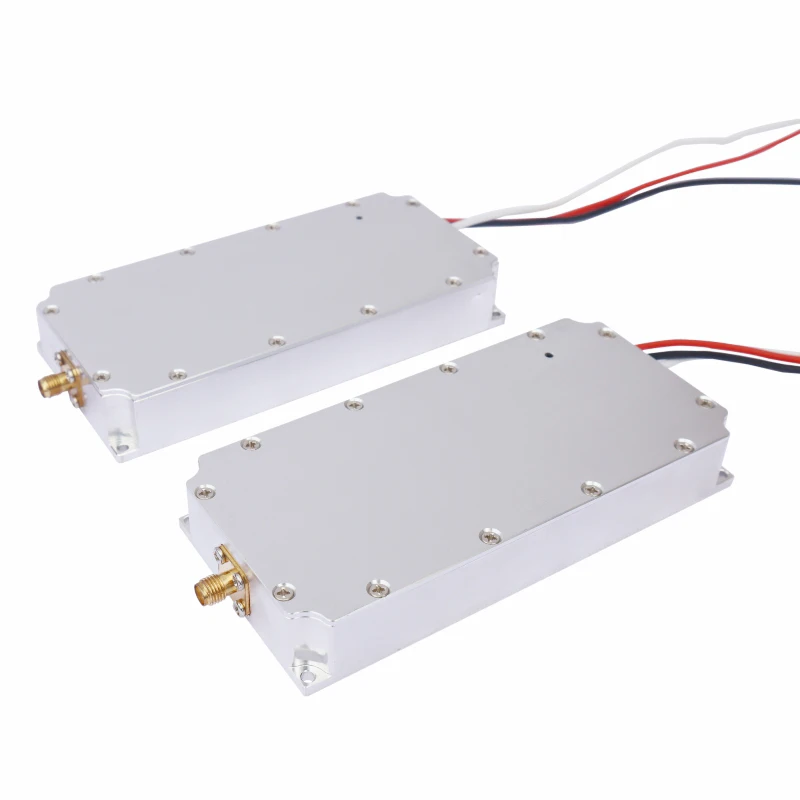
UAV signal detector

Critical Infrastructure Protection and Perimeter Security

Power Plant and Energy Facility Monitoring

Energy infrastructure represents one of the most vulnerable targets for unauthorized UAV activity, making deployment of detection systems essential for operational security. Nuclear power plants, electrical substations, and renewable energy installations utilize these detection systems to monitor airspace and prevent potential reconnaissance or sabotage attempts. The ability to detect drone signals at extended ranges allows security teams to implement graduated response protocols, from issuing warnings to activating countermeasures depending on the threat level assessed.

Modern energy facilities often integrate multiple detection technologies, including radio frequency analyzers and radar systems, to create comprehensive coverage zones around critical assets. These systems can distinguish between authorized maintenance drones and potential security threats by analyzing signal characteristics and flight patterns. The real-time data provided by UAV signal detectors enables facility managers to coordinate with local law enforcement and regulatory agencies when unauthorized aerial activity is detected.

Transportation Hub Security Systems

Airports, seaports, and major transportation terminals deploy advanced detection networks to ensure passenger safety and operational continuity. Commercial aviation facilities face particular challenges from drone incursions, as unauthorized UAVs can disrupt flight operations and pose collision risks to aircraft during takeoff and landing procedures. Detection systems at these locations must operate continuously while minimizing false alarms from legitimate aircraft and ground-based radio equipment.

Railway systems and highway infrastructure also benefit from portable detection capabilities, particularly during special events or high-security periods. Transportation security agencies use these systems to monitor critical bridges, tunnels, and junction points where drone surveillance could compromise operational security or passenger safety. The mobility of handheld detection units allows security personnel to rapidly deploy coverage to emerging threat areas or temporary high-value targets.

Law Enforcement and Public Safety Applications

Border Security and Immigration Control

Border protection agencies worldwide utilize UAV signal detector technology to monitor remote frontier areas where traditional surveillance methods prove insufficient or cost-prohibitive. These devices enable border patrol agents to identify potential smuggling operations, unauthorized crossings, and reconnaissance activities conducted using commercial drones. The extended detection range provided by modern systems allows agents to intercept suspicious aerial activity before it reaches sensitive border infrastructure or populated areas.

Integration with existing border security networks enhances situational awareness and enables coordinated responses between multiple agencies and jurisdictions. Detection data can be shared in real-time with command centers, allowing for strategic deployment of response teams and assets. This capability proves particularly valuable in areas with challenging terrain where ground-based patrols face significant logistical constraints.

Urban Surveillance and Crime Prevention

Metropolitan police departments increasingly rely on detection systems to monitor large-scale public events, protests, and gatherings where unauthorized drone activity could threaten public safety or privacy. These systems help law enforcement agencies distinguish between legitimate media coverage, authorized security drones, and potential threats from criminal or terrorist organizations. The ability to track drone operators through signal analysis provides investigators with valuable intelligence for ongoing criminal investigations.

Specialized units within police departments use portable detection equipment during high-profile arrests, witness protection operations, and anti-terrorism activities. The discrete nature of modern detection systems allows officers to monitor airspace without alerting potential surveillance operators to their capabilities. This covert monitoring capacity proves essential when investigating organized crime networks that might utilize drones for reconnaissance or intimidation purposes.

Military and Defense Sector Implementation

Base Perimeter Defense Systems

Military installations worldwide have implemented comprehensive drone detection networks to protect personnel, equipment, and classified operations from aerial surveillance and potential attacks. These systems must operate in complex electromagnetic environments while distinguishing between authorized military aircraft, civilian aviation, and potential hostile drones. Advanced signal processing capabilities enable military operators to classify threats based on communication protocols, flight characteristics, and payload indicators.

Forward operating bases and temporary military positions benefit from rapidly deployable detection systems that can establish protective perimeters within minutes of arrival. These portable systems provide commanders with immediate situational awareness in dynamic operational environments where traditional air defense systems might prove impractical or unavailable. The integration of detection data with existing command and control networks enables coordinated responses across multiple defensive layers.

Intelligence Gathering and Threat Assessment

Intelligence agencies utilize sophisticated detection networks to monitor potential adversary drone development programs and operational capabilities. By analyzing signal characteristics, communication protocols, and flight patterns, analysts can assess technological advancement and tactical doctrine evolution among potential threats. This intelligence proves valuable for developing appropriate countermeasures and defensive strategies.

Special operations forces employ portable detection systems during reconnaissance missions and sensitive operations where maintaining operational security is paramount. The ability to detect enemy surveillance drones enables tactical teams to adjust their approach, timing, and methods to avoid compromise. These systems also provide early warning of potential hostile drone attacks, allowing personnel to take appropriate protective measures.

Commercial and Industrial Security Applications

Corporate Campus Protection

Major corporations, particularly those in technology, pharmaceuticals, and defense contracting, implement drone detection systems to protect intellectual property and trade secrets from industrial espionage. Research and development facilities face particular risks from unauthorized aerial surveillance, as competitors or foreign intelligence services might attempt to gather proprietary information through drone-based reconnaissance. Detection systems provide security departments with the capability to identify and respond to these threats before sensitive information becomes compromised.

Manufacturing facilities producing high-value products or utilizing proprietary processes benefit from continuous airspace monitoring to prevent unauthorized documentation of operations. The integration of detection systems with existing security infrastructure allows for automated responses, including notification of security personnel, activation of countermeasures, and documentation of incidents for legal proceedings. This comprehensive approach helps organizations maintain competitive advantages while complying with regulatory requirements for information protection.

Event Security and Venue Management

Large-scale sporting events, concerts, and public gatherings require sophisticated security measures to ensure participant safety and prevent disruptions. Event organizers deploy detection systems to monitor airspace above venues and identify unauthorized drones that might carry dangerous payloads, conduct surveillance, or interfere with official broadcast operations. The ability to detect and track multiple simultaneous drone signals enables security teams to prioritize responses based on threat assessment criteria.

Temporary events benefit from portable detection solutions that can be rapidly deployed and configured for specific venue requirements. These systems must operate effectively in high-density radio frequency environments while maintaining sensitivity to potential threats. Coordination with local aviation authorities ensures that detection operations do not interfere with legitimate aircraft operations or emergency services activities.

Technical Considerations and Implementation Challenges

Signal Processing and Detection Accuracy

Modern UAV signal detector systems must process complex radio frequency environments while maintaining high detection rates and minimizing false alarms. The increasing sophistication of drone communication systems, including frequency hopping, encryption, and low-power transmission modes, requires advanced signal processing algorithms and machine learning capabilities. Detection systems must continuously update their threat databases to recognize new drone models and communication protocols as they enter the market.

Environmental factors, including terrain, weather conditions, and electromagnetic interference, significantly impact detection performance and must be considered during system deployment and configuration. Urban environments present particular challenges due to signal reflections, multipath propagation, and high levels of background radio frequency noise. Rural and remote installations may face different challenges, including extended detection ranges and the need for autonomous operation without continuous technical support.

Integration with Existing Security Systems

Effective implementation requires seamless integration with existing security infrastructure, including video surveillance networks, access control systems, and alarm monitoring platforms. This integration enables security personnel to correlate drone detection events with visual confirmation and other sensor data, improving threat assessment accuracy and response effectiveness. Standardized communication protocols and data formats facilitate integration across different manufacturer systems and legacy security platforms.

Network security considerations become critical when detection systems connect to broader organizational IT infrastructure or share data with external agencies. Cybersecurity measures must protect against potential compromise of detection capabilities while ensuring reliable communication and data sharing when required for coordinated responses. Regular security audits and software updates help maintain system integrity against evolving cyber threats.

FAQ

How effective are UAV signal detectors against encrypted drone communications?

While encryption prevents interception of specific command content, UAV signal detectors can still identify the presence of encrypted communications through signal characteristics, timing patterns, and frequency analysis. Advanced systems use machine learning algorithms to recognize encrypted drone communications and can often determine drone model, approximate location, and flight status even when data content remains inaccessible. The detection capability remains effective regardless of encryption implementation.

What is the typical detection range for modern UAV signal detector systems?

Detection range varies significantly based on drone type, environmental conditions, and system specifications, typically ranging from 1 to 10 kilometers for handheld units and up to 30 kilometers for fixed installation systems. Factors affecting range include drone transmission power, antenna configuration, terrain obstacles, and atmospheric conditions. Most commercial systems provide reliable detection at 2-5 kilometers under normal operating conditions, sufficient for most security applications.

Can UAV signal detectors distinguish between authorized and unauthorized drones?

Modern detection systems can identify authorized drones through several methods, including pre-programmed signal signatures, geofencing integration, and coordination with air traffic management systems. Some advanced systems support drone identification protocols that allow authorized operators to broadcast identification information. However, positive identification typically requires additional verification methods, as determined operators can potentially spoof identification signals or use unregistered commercial drones.

What legal considerations apply when deploying UAV signal detector systems?

Legal requirements vary by jurisdiction and application, with most countries requiring appropriate licensing for radio frequency monitoring equipment and compliance with telecommunications regulations. Organizations must consider privacy laws, airspace regulations, and coordination requirements with aviation authorities before deploying detection systems. Some jurisdictions restrict or prohibit certain detection capabilities, particularly signal interception and jamming functions, requiring careful legal review before implementation.