All Categories

Get a Free Quote

Our representative will contact you soon.
Email
Name
Company Name
Message
0/1000

How Does a Directional Antenna Improve Anti Drone Accuracy?

2025-11-05 11:00:00
How Does a Directional Antenna Improve Anti Drone Accuracy?

Modern security threats from unmanned aerial vehicles have transformed how organizations protect their airspace and sensitive facilities. The effectiveness of counter-drone systems largely depends on their ability to precisely target and neutralize unauthorized drones without affecting surrounding electronic devices or communications. A directional antenna serves as the cornerstone technology that enables anti-drone systems to achieve surgical precision while maintaining operational efficiency across diverse environments.

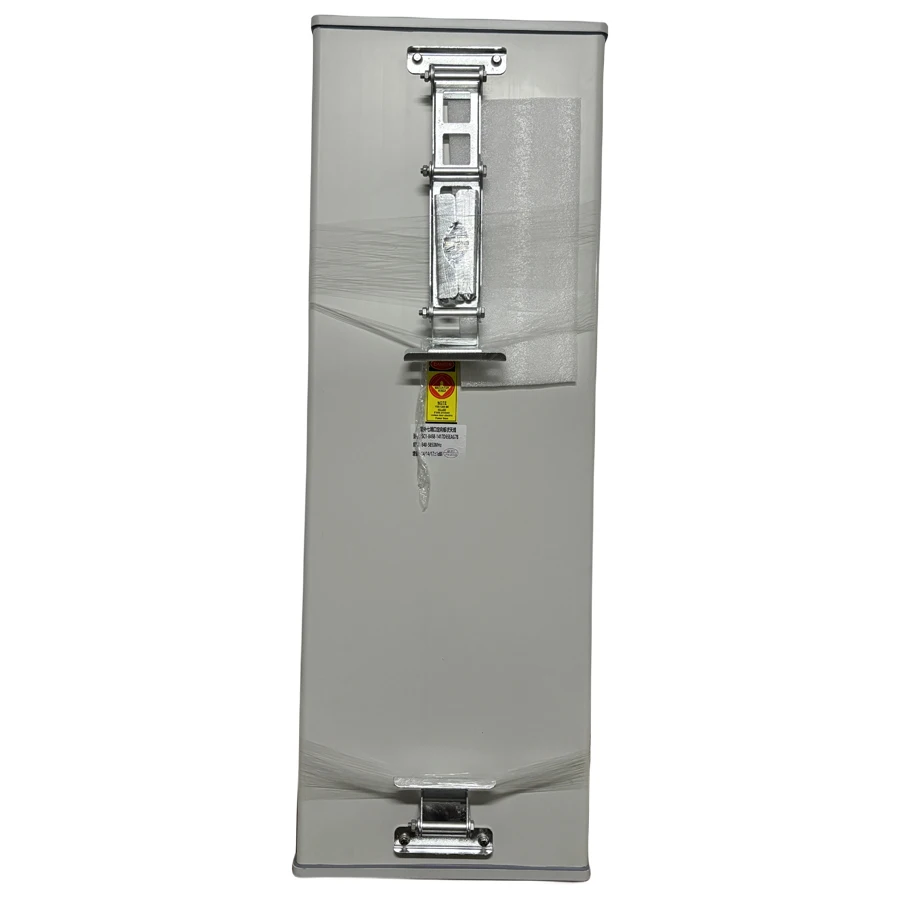
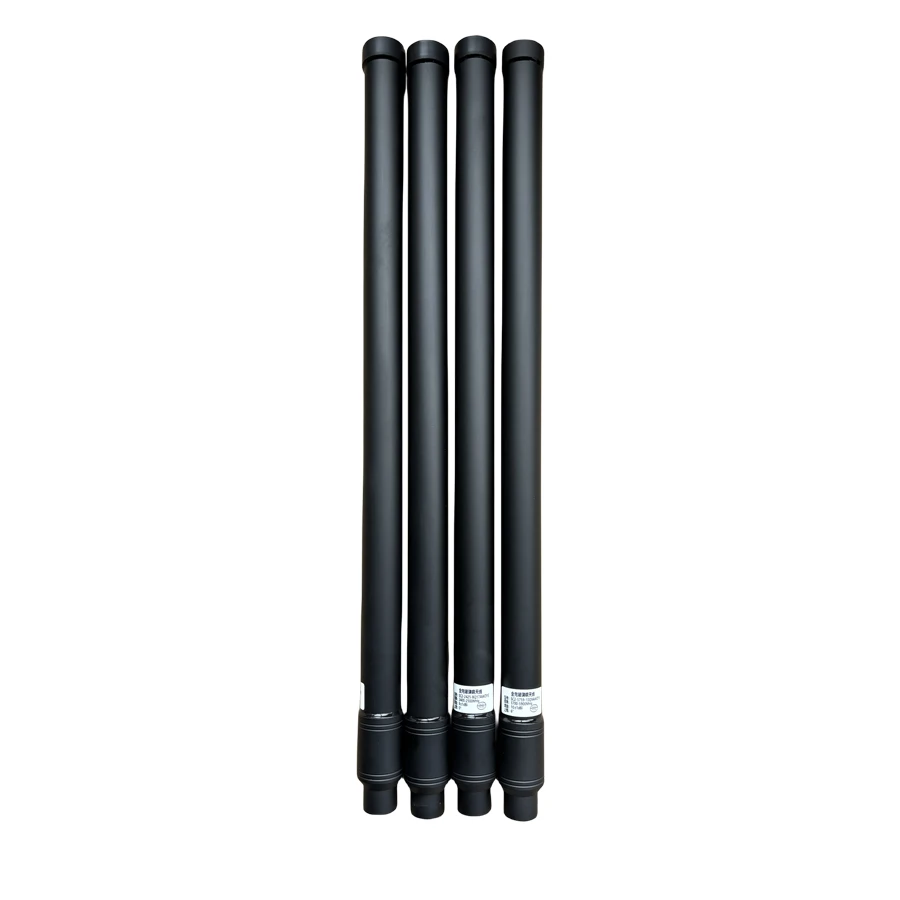
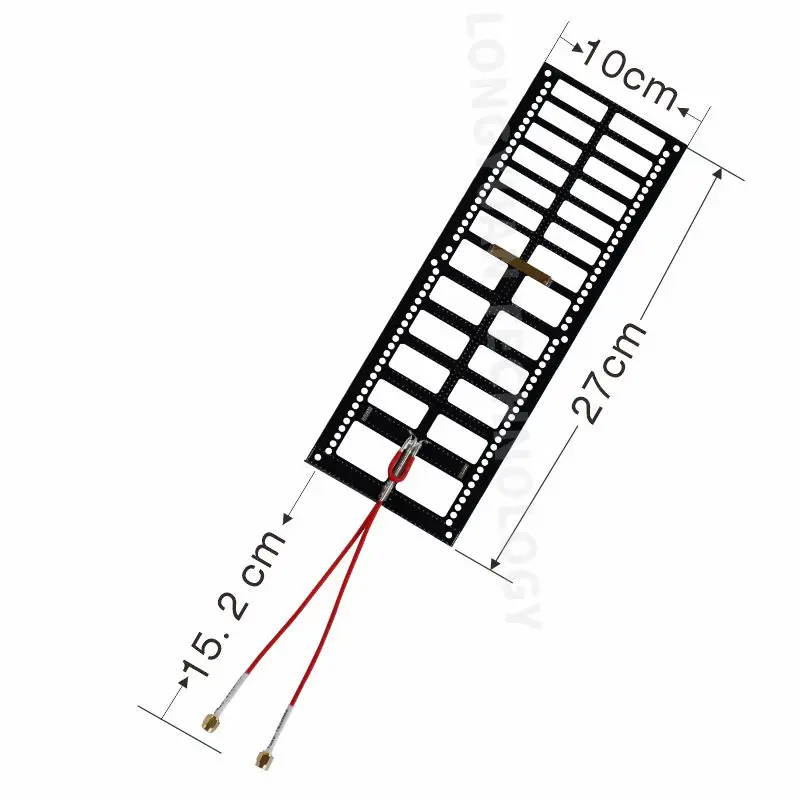
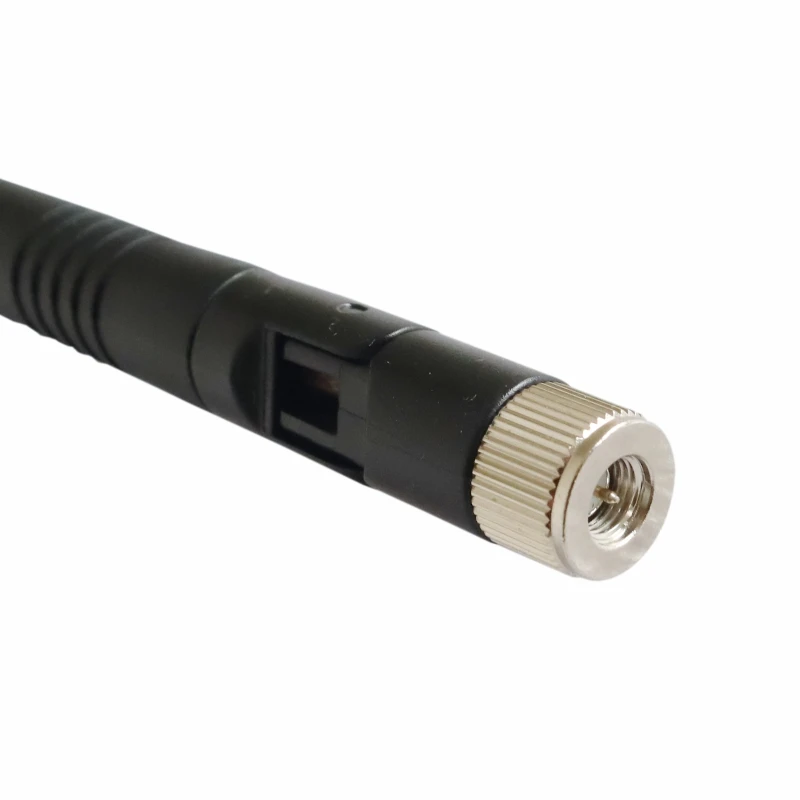
directional antenna

Security professionals and facility managers increasingly recognize that traditional omnidirectional jamming approaches create more problems than they solve. Blanket signal disruption affects legitimate communications, creates regulatory compliance issues, and wastes valuable power resources. The integration of advanced directional antenna technology addresses these challenges by focusing electromagnetic energy precisely where threats exist, delivering superior performance while minimizing collateral interference.

Understanding the technical mechanisms behind directional antenna performance reveals why this technology has become indispensable for modern counter-drone operations. The physics of electromagnetic radiation, combined with sophisticated beamforming techniques, enables these systems to deliver targeted jamming signals that effectively neutralize drone communications while preserving the integrity of surrounding wireless networks and authorized communications channels.

Technical Foundations of Directional Antenna Design

Electromagnetic Wave Propagation Principles

The fundamental advantage of directional antenna systems stems from their ability to control electromagnetic wave propagation patterns through precise geometric design and element arrangement. Unlike omnidirectional antennas that radiate energy equally in all directions, directional configurations concentrate electromagnetic energy into specific angular sectors, creating focused beams with significantly higher power density in targeted areas.

Advanced directional antenna designs utilize multiple radiating elements arranged in carefully calculated arrays to achieve optimal beam characteristics. The spacing, phasing, and amplitude distribution of these elements determine the resulting radiation pattern, enabling engineers to create narrow beams with high gain while minimizing side lobe levels that could cause unintended interference.

Modern anti-drone systems employ sophisticated digital signal processing algorithms to dynamically adjust beam characteristics based on real-time threat assessment and environmental conditions. This adaptive capability ensures optimal performance across varying operational scenarios while maintaining precise control over electromagnetic energy distribution.

Gain and Beamwidth Optimization

The relationship between antenna gain and beamwidth represents a critical design consideration for counter-drone applications. Higher gain antennas produce narrower beams with increased power density, enabling more effective jamming at extended ranges while reducing the risk of affecting non-target devices located outside the beam coverage area.

Practical implementations require careful balance between gain and coverage requirements based on specific operational needs. Security installations with clearly defined threat corridors benefit from high-gain, narrow-beam antennas that maximize jamming effectiveness while minimizing interference footprint. Conversely, facilities requiring broader area coverage may utilize moderate-gain designs with wider beamwidths to ensure comprehensive protection.

Advanced beamforming techniques enable dynamic adjustment of gain and beamwidth parameters in response to detected threats. This capability allows single antenna systems to adapt their characteristics for different operational modes, switching between wide-area surveillance and narrow-beam precision jamming as tactical situations evolve.

Precision Targeting Mechanisms

Spatial Selectivity Enhancement

The spatial selectivity provided by directional antenna technology represents the most significant advancement in counter-drone system accuracy. Traditional omnidirectional jamming creates interference zones extending far beyond intended target areas, potentially disrupting legitimate communications and violating regulatory restrictions on electromagnetic emissions.

Directional systems achieve remarkable spatial precision through advanced beam steering capabilities that can track and engage individual drone targets while maintaining minimal impact on surrounding electromagnetic environments. This precision enables deployment in sensitive locations such as airports, government facilities, and urban areas where collateral interference must be strictly controlled.

Real-time tracking integration allows directional antenna systems to continuously adjust beam positioning to maintain optimal engagement angles as targets maneuver through protected airspace. This dynamic tracking capability ensures sustained jamming effectiveness while preventing signal spillover into adjacent areas.

Multi-Target Engagement Strategies

Modern threats often involve coordinated drone swarms requiring simultaneous engagement of multiple targets distributed across wide areas. Advanced directional antenna systems address this challenge through sophisticated multi-beam architectures that can independently track and jam several drones simultaneously without compromising individual engagement effectiveness.

Phased array technologies enable rapid beam switching between multiple target locations, creating the impression of simultaneous engagement while actually sequencing through targets at microsecond intervals. This time-division approach maximizes system efficiency while maintaining effective jamming signals against each identified threat.

Coordinated antenna arrays deployed at strategic locations can create overlapping coverage zones that ensure comprehensive protection while enabling sophisticated engagement strategies. These distributed systems share targeting information and coordinate jamming activities to prevent gaps in coverage and optimize overall system performance.

Interference Mitigation and Signal Control

Collateral Damage Prevention

The precision offered by directional antenna systems significantly reduces the risk of interfering with legitimate wireless communications and electronic systems. Careful beam shaping and power control ensure that jamming signals remain confined to areas containing identified threats, protecting authorized communications infrastructure from disruption.

Advanced filtering and signal processing techniques enable these systems to distinguish between drone communications and legitimate wireless traffic, allowing selective jamming that targets only unauthorized devices. This discrimination capability proves essential in complex electromagnetic environments where multiple wireless systems operate simultaneously.

Regulatory compliance requirements mandate strict control over electromagnetic emissions, particularly in civilian environments. Directional antenna technology provides the precision necessary to meet these requirements while maintaining effective counter-drone capabilities, enabling deployment in locations where omnidirectional systems would be prohibited.

Power Efficiency Optimization

Concentrating electromagnetic energy through directional beam forming dramatically improves power efficiency compared to omnidirectional broadcasting approaches. This efficiency gain enables portable and battery-powered counter-drone systems to operate for extended periods while maintaining effective jamming capabilities against distant targets.

Smart power management algorithms continuously optimize transmission power levels based on target distance, signal strength requirements, and battery status. These systems automatically adjust output power to maintain effective jamming while maximizing operational duration and minimizing electromagnetic signature.

Reduced power requirements enable deployment of counter-drone systems in remote locations where power infrastructure may be limited. Solar charging and other alternative energy sources become viable options when system power consumption remains within reasonable limits through efficient directional antenna design.

Operational Advantages and Performance Benefits

Range Extension Capabilities

The concentrated energy delivery provided by directional antennas enables counter-drone systems to achieve significantly greater effective ranges compared to omnidirectional alternatives. Higher antenna gain translates directly into increased power density at target locations, enabling successful jamming of drone communications at distances where omnidirectional systems would prove ineffective.

Extended range capabilities prove particularly valuable for protecting large facilities such as airports, military installations, and critical infrastructure sites where threats must be neutralized before reaching sensitive areas. Early engagement reduces response time requirements and provides additional opportunities for threat assessment and graduated response protocols.

Range performance varies significantly based on frequency selection, atmospheric conditions, and terrain characteristics. Directional antenna systems can adapt their operating parameters to optimize performance under varying conditions, ensuring consistent effectiveness across diverse deployment scenarios.

Stealth and Covert Operations

The focused nature of directional antenna emissions reduces the overall electromagnetic signature of counter-drone systems, making detection more difficult for adversaries attempting to identify and avoid protective measures. Lower side lobe levels and concentrated main beam energy minimize the system's observable footprint while maintaining full operational effectiveness.

Covert deployment becomes possible when directional systems can operate with minimal electromagnetic emissions outside their intended coverage areas. This capability enables hidden installations that provide security without alerting potential threats to the presence of counter-drone capabilities.

Advanced frequency agility and beam steering capabilities allow these systems to operate in detection-resistant modes that rapidly vary transmission parameters to avoid identification by enemy electronic warfare systems. This adaptability ensures sustained effectiveness even against sophisticated threats equipped with counter-countermeasures.

Integration with Modern Security Systems

Sensor Fusion and Tracking Integration

Contemporary counter-drone installations integrate directional antenna systems with comprehensive sensor networks including radar, electro-optical cameras, and radio frequency analyzers. This multi-sensor approach provides accurate target identification and tracking information that enables precise beam steering and optimal jamming effectiveness.

Real-time data fusion algorithms process information from multiple sensor sources to create accurate three-dimensional target tracks that guide directional antenna positioning. This integration ensures that jamming beams remain precisely aligned with moving targets while accounting for prediction errors and system latencies.

Automated threat assessment systems analyze target behavior patterns and flight characteristics to determine appropriate response strategies. Directional antenna systems can implement graduated response protocols that escalate jamming intensity based on threat classification and proximity to sensitive areas.

Command and Control Interface

Modern directional antenna systems feature sophisticated command and control interfaces that enable security personnel to monitor system status, adjust operational parameters, and coordinate responses across multiple installations. These interfaces provide real-time visualization of coverage areas, target tracks, and system performance metrics.

Remote operation capabilities allow centralized monitoring and control of distributed antenna arrays from secure command centers. This centralization improves response coordination while reducing staffing requirements and ensuring consistent operational procedures across multiple sites.

Integration with existing security management systems enables seamless incorporation of counter-drone capabilities into comprehensive facility protection protocols. Automated alert systems notify security personnel of detected threats while initiating appropriate response procedures based on predetermined rules of engagement.

Future Developments and Technological Trends

Artificial Intelligence Integration

Emerging artificial intelligence technologies promise significant enhancements to directional antenna system performance through improved target recognition, prediction algorithms, and autonomous response capabilities. Machine learning systems can analyze historical threat patterns to optimize beam positioning and power allocation for maximum effectiveness.

Predictive tracking algorithms utilize artificial intelligence to anticipate target movements and pre-position antenna beams for optimal engagement geometry. This predictive capability reduces response latencies while ensuring sustained jamming effectiveness against maneuvering targets.

Automated threat classification systems can distinguish between different drone types and adjust jamming strategies accordingly. Commercial recreational drones may require different engagement approaches compared to sophisticated military or terrorist devices, and artificial intelligence can optimize system responses for each threat category.

Advanced Materials and Manufacturing

Developments in advanced materials and additive manufacturing techniques enable production of more sophisticated directional antenna designs with improved performance characteristics and reduced manufacturing costs. Metamaterial structures can create exotic electromagnetic properties that enhance beam focusing and reduce size requirements.

Three-dimensional printing technologies allow rapid prototyping and customization of antenna elements for specific applications and frequency ranges. This manufacturing flexibility enables optimization of directional antenna systems for particular deployment scenarios and threat environments.

Integrated circuit technologies continue advancing toward higher frequencies and greater processing capabilities, enabling more sophisticated signal processing and beamforming algorithms. These advances translate into improved precision and effectiveness for directional antenna systems while reducing power consumption and physical size requirements.

FAQ

What frequency ranges do directional antennas typically operate in for counter-drone applications

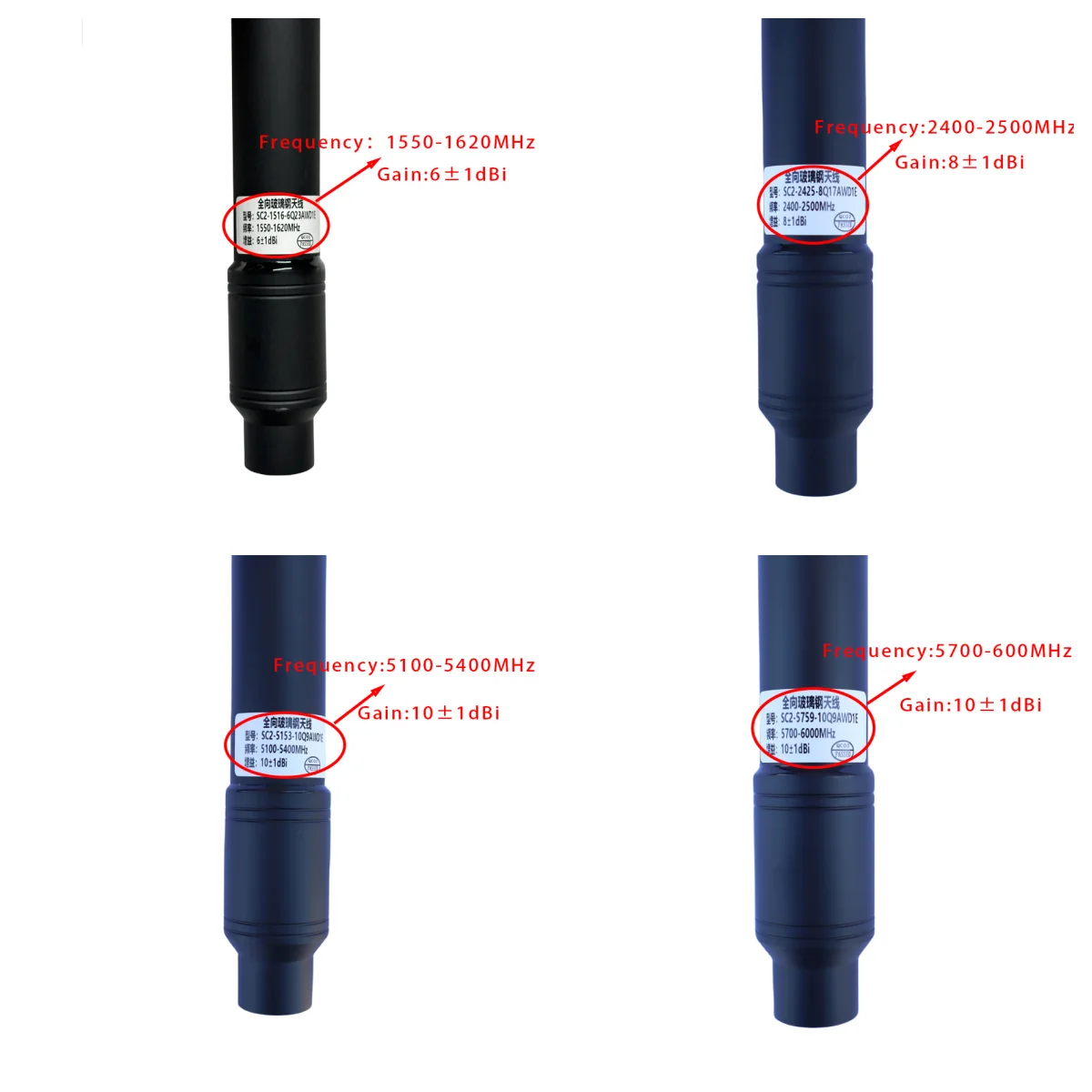
Counter-drone directional antennas typically operate across multiple frequency bands including 900 MHz, 1.2 GHz, 2.4 GHz, and 5.8 GHz to target common drone communication and control frequencies. Many systems also incorporate GPS jamming capabilities operating at 1.57 GHz to disrupt navigation systems. The specific frequency selection depends on regulatory requirements and the types of drone threats present in particular operational environments.

How do directional antennas maintain effectiveness against fast-moving drone targets

Modern directional antenna systems utilize high-speed servo mechanisms and electronic beam steering to track fast-moving targets with response times measured in milliseconds. Advanced prediction algorithms anticipate target movements based on velocity and acceleration data, enabling the system to maintain beam alignment even during rapid maneuvers. Multiple beam capability allows engagement of several targets simultaneously while maintaining tracking accuracy.

What are the typical power requirements for effective directional antenna counter-drone systems

Power requirements vary significantly based on range requirements and target specifications, but most effective systems operate between 10 watts and 100 watts per frequency band. The directional nature of these antennas enables effective jamming at much lower power levels compared to omnidirectional systems, with some portable units operating effectively at under 25 watts total power consumption while achieving ranges exceeding one kilometer.

Can directional antenna systems operate effectively in urban environments with significant RF interference

Yes, directional antenna systems actually perform better in complex RF environments due to their ability to focus energy precisely where needed while avoiding interference with legitimate communications. Advanced filtering and signal processing techniques enable these systems to distinguish between drone signals and background RF noise, allowing effective operation even in dense urban areas with heavy wireless traffic. The spatial selectivity of directional beams reduces both interference generation and susceptibility compared to omnidirectional alternatives.