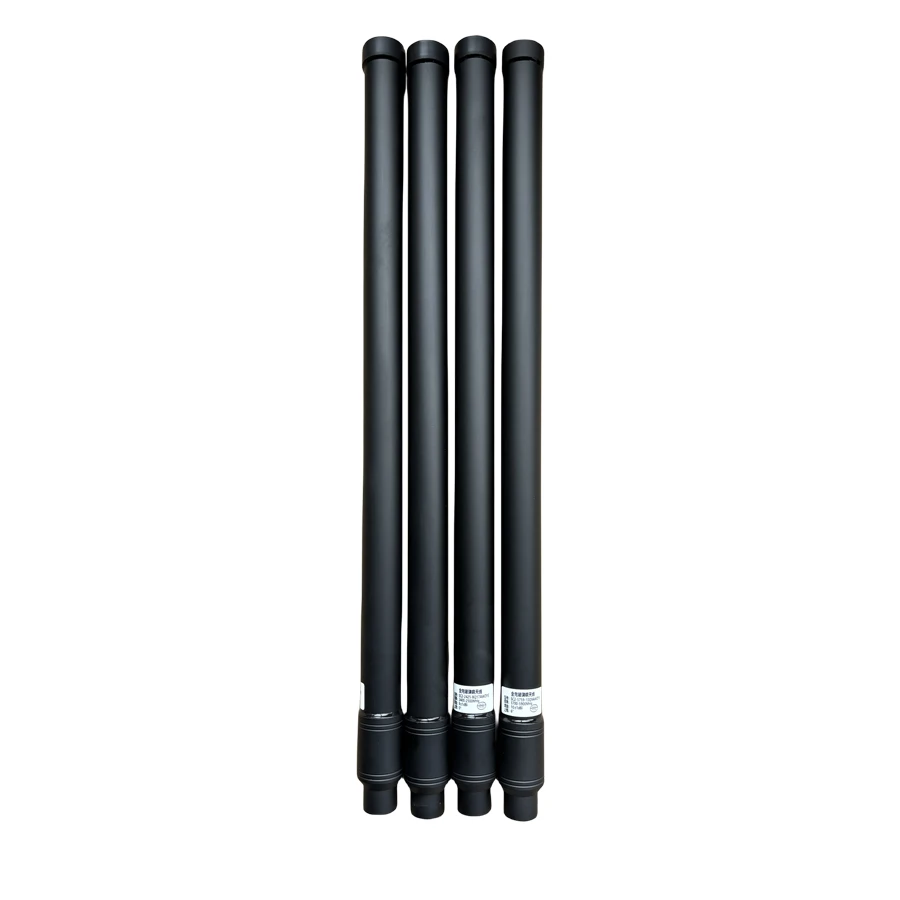
מכשיר עיכוב רחפנים משדר אותות תדר רדיו (RF) בעלי עוצמה גבוהה דרך טווחי תדרים קריטיים של תקשורת, כדי לשבור את הקשר בין רחפנים לא מורשים לבין המפעילים שלהם. במקביל, הוא מעכב את תדרי ה-2.4 GHz וה-5.8 GHz המשמשים לפיקוד ובקרה (C2), ומבлок את אותות ה-GNSS — בעיקר בתדר הקריטי של 1.575 GHz — כדי לשלול מהרחפנים הן הוראות מהמפעיל והן נתוני מיקום מדויקים. דחיית הספקטרום הכפולה הזו מפעילה פרוטוקולי בטיחות מובנים ברחפנים מסחריים תואמים, מה שגורם לנחיתה מיידית או לחזרה אוטומטית לבית. בניגוד לאמצעי נגד קינטיים, עיכוב RF מתבסס על מנגנוני הבטיחות המובנים ברחפן, ומבטל את הסיכון הפיזי לאנשים, לרכוש או למרחב התעופה.
מערכות מתקדמות לבלימת רכבים טיסים לא מאוישים (UAV) משולבות במנתחי ספקטרום המופעלים בינה מלאכותית שמביאים לזיהוי אותות UAV זרים תוך מילישניות—even amid dense RF environments—על ידי זיהוי דפוסי מודולציה ייחודיים וחתימות שידור. לאחר הזיהוי, מערכות בלימה כיווניות פועלות רק על התדרים הספציפיים בשימוש, בעוד מסננים מתאימים מדכאים את ההתפשטות לתדרים הסמוכים. דיוק זה חיוני נגד רכבים טיסים לא מאוישים המשתמשים בטכניקת רחבה של קפיצה בתדרים (FHSS), אשר מחליפים במהירות בין תדרים כדי להימלט מבלימה סטטית. על ידי התאמת יציאת ההספק, רוחב הפס והמודולציה באופן דינמי בזמן אמת, מערכות אלו מבטלות ביעילות רכב טיס לא מאויש יחיד או עדרים מתואמים, מבלי לפגוע בתקשורת סלולרית, Wi-Fi או תקשורת חירום בסביבה — יכולת שנבדקה בניסויים שערך ה-FAA באתר סיכונים גבוהים, שם הוסרו בבטחה 94% מהרכבים הטיסים הלא מורשים.
התקני שיבוש רחפנים משמשים כשכבה קריטית לא-קינטית בהגנה על תשתיות רגישות - כולל שדות תעופה, גבולות צבאיים ומתקני ממשלה - על ידי שיבוש קישורי C2 ו-GNSS לפני שניתן לבצע כוונות עוינות. זה מונע מעקב אווירי, העברת מטען בלתי חוקית או סיור שיכולים לתמוך בהברחות, חבלה או התקפות ממוקדות. מכיוון שהשיבוש מפעיל את תגובות הבטיחות המתוכנתות מראש של הרחפן במקום להרוס אותו באוויר, השיטה מונעת סכנות פסולת, סיכוני טיסות מעל מטוסים וסיבוכים משפטיים הקשורים ליירוט קינטי - מה שהופך אותה למתאימה במיוחד לאזורים עירוניים או צפופי אוכלוסין. על פי מחקרי הגנה על תשתיות משנת 2024, מתקנים הפרוסים פתרונות שיבוש משולבים תואמים מדווחים על הפחתה של למעלה מ-90% בפריצות אבטחה הקשורות לפעילות כטב"מים בלתי מורשית.
הצבה יעילה דורשת התאמה מחמירה לתקנות הלאומיות והבינלאומיות בנוגע לקו התחבורה — כולל חלק 15 של המינהל הפדרלי לתקשורת (FCC) והנחיות האיגוד הבינלאומי לתקשורת (ITU-R) — כדי למנוע הפרעות לא מתוכננות בשירותים מורשים. מכשירי עיכוב טיסנים מודרניים כוללים הגנה גאוגרפית (geofencing), ניטור ספקטרלי בזמן אמת ומסננים מתאמים לתדרים שמתפעלים לבד כאשר מאששים את קיומן של אותות טיסנים אויביים באזורים מורשים. אמצעי בטחון אלו מבטיחים שהעיכוב יישאר מצומצם באופן צמוד לפסי איומים ידועים — כגון 2.4 GHz, 5.8 GHz ו-L1 GNSS — תוך שמירה על ערוצי תקשורת סמוכים לטלפונים ניידים, לתקשורת ביטחון ציבורי ולתקשורת תעופה. מובילי שרותי האבטחה ממליצים על כיול אוטומטי של הספק והכשרת מפעילים בהתאמה להנחיית משרד ההגנה האמריקאי (DoD) מס' 3000.22 ולתקן הסטנדרטי של נאט"ו (STANAG) 4671, כדי לשמור על התאמה לדרישות במהלך הקמת מערכות ממושכת או ניידות.

התקן עיכוב של רכבים טיסים לא מאוישים פועל ביעילות רבה ביותר כאשר הוא משולב בארכיטקטורת מערכת נגד רכבים טיסים לא מאוישים (C-UAS) רב-שכבתית — ולא ככלי עצמאי. מסגרות אבטחה מודרניות שואבות את היתרונות של זיהוי רדאר בטווח רחוק, סורקים תדרי רדיו רחבים (wideband RF), מערכות מעקב אופטי-אלקטרוניות/אינפרא אדומות (EO/IR) ותוכנת פיקוד ובקרה המנוהלת על ידי בינה מלאכותית, כדי ליצור מערכות תגובה אדפטיביות לסיכונים, הכוללות לולאה סגורה. שילוב זה מאפשר זיהוי מוקדם בטווחים מרוחקים (לעיתים קרובות מעבר ל-5 ק"מ), מיון מהיר של סוג הרחפן והכוונה שלו באמצעות מודלים של למידת מכונה, ופעולה ממונעת של העיכוב בהתאם להקשר. לבד נגד איומים מאומתים—הפחתת דרמטית של תוצאות שגויות חיוביות והפרעה מיותרת בטווח התדרים. באורקסטרציה זו, הפיקוד על התחנה (Jamming) פועל כשכבת ההגנה הלא-קינטית האחרונה, אשר מופעלת לאחר זיהוי, פרוטוקולי אזהרה ואלטרנטיבות לתקיפה רכה. כפי שהוכח בניסויי תאימות מבצעית בהובלת נאטו, פלטפורמות משלימות של מערכות נגד כלי טיס לא מאוישים (C-UAS) משיגות קצב זיהוי של 95% לאיומים בטווח של פחות מ-500 מטר תוך 8 שניות, תוך שמירה על הפרעה צדדית מינימלית באמצעות יעד תדרים מדויק ועיצוב קרן (Beamforming). התוצאה היא מטריצה אבטחה הניתנת להרחבה ומעוצבת לעתיד, אשר מתאימה באופן חלק למשימות עדרים מתפתחות, לקשרי פיקוד מוצפנים ולכלי טיס לא מאוישים אוטונומיים דור הבא.
מרכז תעופה אירופי מרכזי triển את מערכת נגד מטוסים ללא טייס בשכבות, שמעוגנת במכשירי חסימה של מטוסים ללא טייס בעלי כיוון ותואמים תדר באופן דינמי לאורך מסלולי הכניסה למסגרות. המערכת פועלת בתוך רדיוס צמוד של 1.5 ק"מ—ומאוחדת עם שכבות של מכ"ם וגילוי קרינה אלקטרומגנטית (RF)—והפריעה לאותות הבקרה (C2) ולאותות הניווט הגלובלי (GNSS) של 137 מטוסים ללא טייס לא מורשים בין 2022 ל-2023. בכל מקרה נבע ממנו נחיתה בטוחה או החזרה אוטומטית לנקודת המוצא, ללא הפרעה דווחה כלל למערכת בקרת התעבורה האווירית או לקשרי הנוסעים. תרומה זו גרמה ישירות לירידה מתועדת של 92% בעבירות על שמי התעופה במשך 18 חודשים—הפחתה משמעותית בסיכונים של התנגשות, איומים של מערכות ריגול והפרעות בתפעול, כשאפילו מקרה אחד של קרבה רבה יכול להפעיל עיכובים משנעים.
במהלך תרגיל הגנה במציאות-חיה, מתקן בעל אבטחה גבוהה triểnן מערכת עיכוב מסוקים המצוידת בסינון תואם בזמן אמת ובראשיות נשלטות אנטנה מערכים כדי לפגוע בשמונה מסוקים בתרגיל סימולציה. בתוך רדיוס של 500 מטר מההיקף, המערכת זיהתה והשתיקה כל איום בנפרד באמצעות עיכוב ממוקד בקרינה צרה ובתדר מסוים—מבלי לפגוע בתקשורת כללית של הבסיס, ברדיו הלחיצי או ברשתות האזרחיות הסמוכות. ניתוח לאחר התרגיל אישר את השבתת כל המטרות באופן מלא, ללא פגיעה בתשתיות הפיקוד או בפעולות התלויות על הספקטרום. הצלחת התרגיל הדגישה כיצד עיכוב מודרני—כאשר הוא משולב באינטליגנציה ומיועד במדויק—מספק הגנה מכרעת ונמוכה בסיכון מפני איומים אוויריים מתפתחים ומשוכללים יותר.
מכשיר עיכוב מסוקים משתמש בגלי רדיו בעלי עוצמה גבוהה כדי לשבש את הקשר התקשורתית ואת קישורי ה-GPS בין מסוקים לא מורשים למנהלי ההפעלה שלהם, מה שגורם למסוקים לנחות או לחזור הביתה בבטחה.
מערכות מתקדמות משתמשות בפילטרציה אדפטיבית ובה enfocussing על תדרים כדי למזער את ההתפשטות לתדרים הסמוכים, ומבטיחות פעילות בטוחה ללא הפרעה לקommunikציות סלולריות, Wi-Fi או חירום בסביבה.
הן משמשות בדרך כלל באזורים רגישים כגון שדות תעופה, בסיסים צבאיים ומתקנים ממשלתיים כדי למנוע חדירות של רחפנים לא מורשים.
כן, מערכות מודרניות מעוצבות כך שיעמדו בתקנות הלאומיות והבינלאומיות בתחום הספקטרום, כדי להבטיח הפרעה מינימלית לשירותים המורשים.
כן, מערכות חדשניות מצוידות באיתור אותות בזמן אמת ובעיכוב אדפטיבי כדי לשלול מספר רחפנים המופעלים באופן שיתופי.
 חדשות חמות
2025-06-18
2025-06-17
2025-06-15
Shenzhen Longyuan Technology מספקת מערכות ח intelיגנטיות נגד רחפנים לנמל תעופה, אצטדיונים ותשתיות קריטיות. זיהוי RF בזמן אמת, מעקב וחסימה עם אנטנות בעלי שבח גבוה ופתרונות מותאמים אישית. מותקנת על ידי צוותי ביטחון ברחבי העולם.
בניין א', קמפוס תעשייתי קאישנג', רחוב שינגחווה 1, מחוז פינגדי, מחוז לאונגר, שenzhen
כל הזכויות שמורות © 2026 שenzhen Longyuan Technology Co., Ltd. מדיניות הפרטיות
 EN
EN