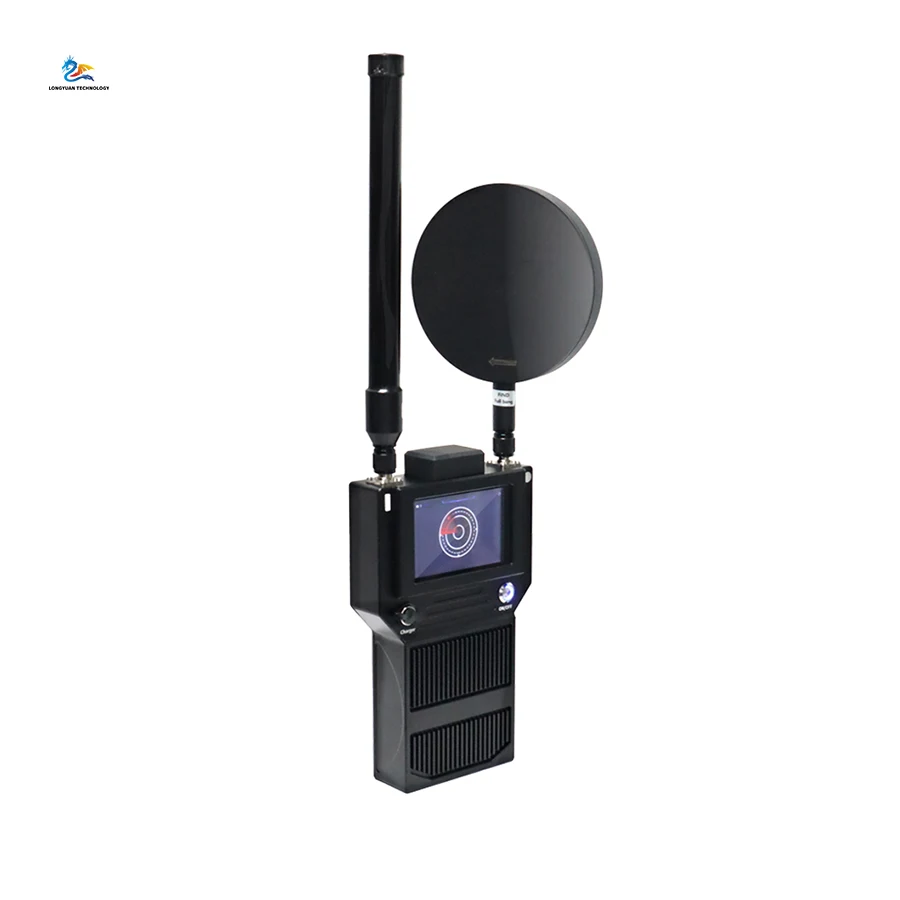
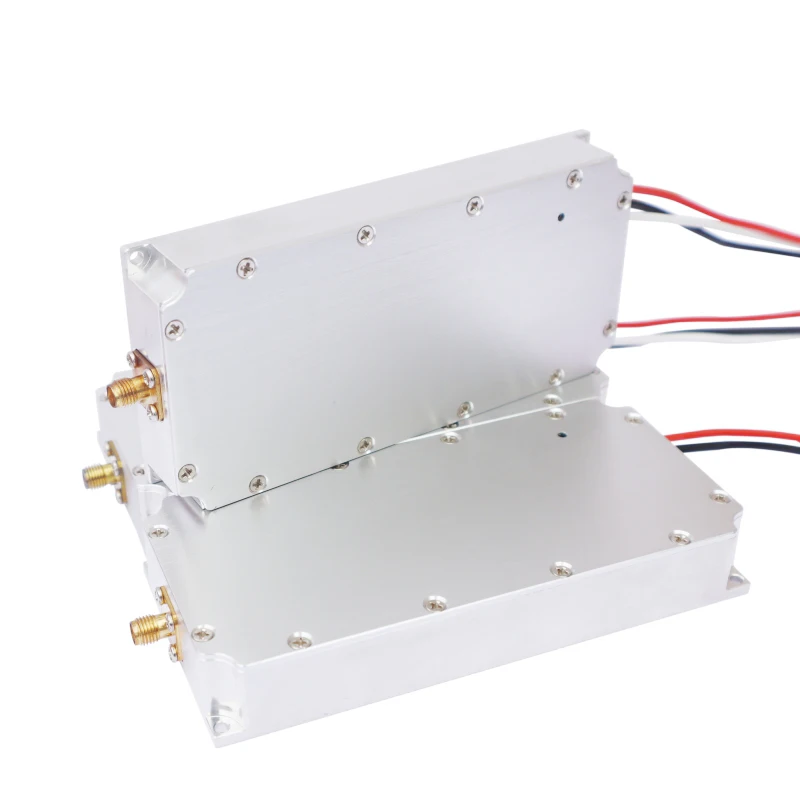
ההתרחבות המהירה של כלי טיס לא מאוישים יצרה אתגרי אבטחה חסרי תקדים בתחומים רבים. ארגונים מודרניים ניצבים בפני איומים גדלים מתמיד מהזדמנויות של כלי טיס לא מורשים שיכולים לפגוע בפעולות רגישות, לחדור לתוך אזורים מוגבלים באוויר וליצור סיכונים משמעותיים לביטחון. התקן עיכוב כלי טיס מהימן מהווה השקעה קריטית עבור עסקים, מתקנים ממשלתיים וארגונים שמתמקדים באבטחה ומחפשים לשמור על שלמות הפעילות שלהם ולגן על נכסים יקרים מפני איומים מהאוויר.
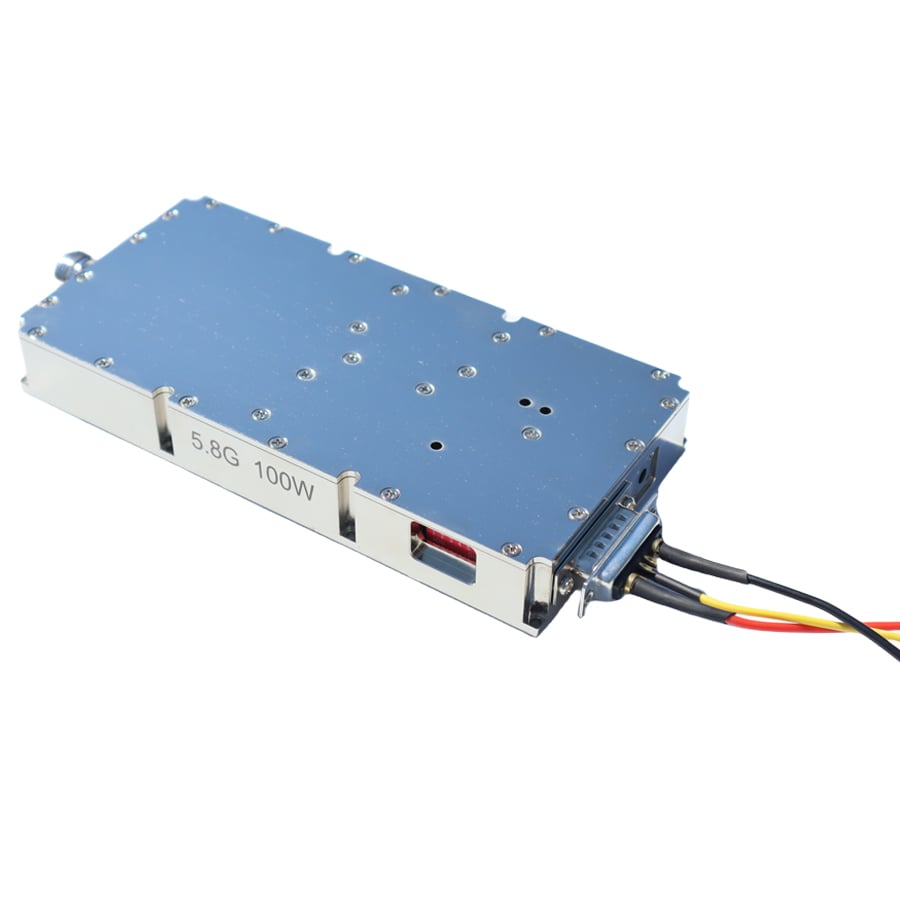
מ landscapes האבטחה המודרניים דורשים צעדים פרואקטיביים נגד איומים טכנולוגיים מתפתחים. מערכות תצפית, ריגול ווקטורים אפשריים להתקפה באמצעות כלי טיס הפכו sophisticiated יותר, ודורשים מדדי התמודדות מתקדמים באותה מידה. ההשקעה בטכנולוגיה ניידת לעיכוב כלי טיס מספקת לארגונים יכולת תגובה מיידית תוך שמירה על גמישות פעילות בסביבות מגוונות.
דרונים לא מורשים שמצוידים במצלמות ברזולוציה גבוהה וציוד הקלטה מהווים סיכון משמעותי לבעלות על רכוש פטנטים ולפעולות סודיות. מתקני ייצור, מרכזי מחקר ומפקדות תאגידיות ניצבים בפני סיכונים מתמידים של תצפית מהאוויר שיכולה לקלוט תהליכים ייחודיים, מידע אסטרטגי ותקשורת רגישה. מכשיר עיכוב דרונים מספק הגנה מיידית מפני משימות תצפית אלו, על ידי הפרעה לקשרי התקשורת בין המפעילים למטוסים שלהם.
מתקנים תעשייתיים העוסקים בעיבוד חומרים בעלי ערך או בפיתוח טכנולוגיות חדשניות דורשים פרוטוקולי אבטחה מקיפים שמתמודדים הן בסיכונים ברמה הקרקעית והן בסיכונים מהאוויר. אמצעי האבטחה הרגילים מתעלמים לעתים קרובות מחולשות במרחב האווירי, ויוצרים פערים שניתן לנצלם על ידי גורמים רעים למטרות יעילות תחרותיות או פשעיות.
תחנות כוח, מתקני טיהור מים, צמתים תחבורתיים ורשתות תקשורת מהווים מטרות בעלות ערך גבוה לפעולות תקיפה או ריגול על ידי כלי טיס ללא טייס. רכיבי התשתית הקריטיים הללו דורשים מנגנוני הגנה חזקים שיכולים לשלוט באופן מהיר באיומים אוויריים לפני שהם פוגעים בשירותים חיוניים או אוספים מידע על הליכי הפעלה.
יכולות תגובה חירום הופכות לחשובות ביותר בעת טיפול באיומי כלי טיס סמוך לתשתיות רגישות. פתרונות חסימה ניידים מאפשרים לאנשי האבטחה להקים במהרה מדורים מגנים סביב נכסים קריטיים תוך שמירה על רציפות הפעילות ומזעור הפרעות לפעילויות הרגילות.
טכנולוגיית התקן מתקדם לבלימת רכבים טיסים לא מאוישים פועלת על ידי שידור אותות תדר רדיו ממוקדים המפריעים לפרוטוקולי התקשורת הסטנדרטיים של רכבים טיסים. מערכות אלו מפריעות באופן יעיל לניווט GPS, לאיתותי הבקרה המרחוקת ולקישורי שידור הוידאו, וגורמות למטוסים לא מורשים להפעיל פרוטוקולי בטיחות כגון החזרה לנקודת ההתחלה או נחיתה מבוקרת.
יכולות בלימה מרובה תדרים מבטיחות כיסוי מקיף בכל סרטני התקשורת של רכבים טיסים, כולל התדרים הנפוצים בשימוש ברכבים טיסים לא מאוישים לצריכה כללית ולשימוש מקצועי. גישה זו של ספקטרום רחב מקסימה את היעילות נגד מגוון רחב של פלטפורמות רכבים טיסים, תוך שמירה על דיוק כדי למנוע הפרעה למערכות תקשורת מורשות.
מערכות עיכוב ניידות מודרניות משולבות טכנולוגיה מתוחכמת בפלטפורמות קומפקטיות וקלות משקל שצוותי האבטחה יכולים לפרוש מהר במגוון מקומות. הפעלה על ידי סוללות מבטלת את התלות במגבים חשמליים קבועים, מה שמאפשר אמצעי נגד יעילים באזורים מרוחקים או במהלך פעולות אבטחה ניידות.
سينarios של פריסה טקטית נהנים במידה רבה מפתרונות עיכוב ניידים שניתן להזיזם במהרה בהתאם להערכות הסיכון או לדרישות הפעולה המשתנות. יתרון הניידות הזה מאפשר לצוותי האבטחה לשמור על כיסוי הגנתי תוך התאמה לאתגרי אבטחה דינמיים ולדפוסי סיכון משתנים.
יישום טכנולוגיית מכשירים לבלימת רכבים טיסים ללא צוות (דרונים) מהווה השקעה אסטרטגית שמביאה תמורה משמעותית באמצעות שיפור עמדת האבטחה והפחתת הסיכונים. עלות הפרצות אבטחה פוטנציאליות, גניבת רכוש רוחני או הפרעות בתפעול עולה בהרבה על ההשקעה הנדרשת לאמצעי נגד דרונים יעילים.
השוואה אנליטית מראה כי פתרונות בלימה ניידים מציעים ערך גבוה יותר בהשוואה לאמצעי אבטחה חלופיים כגון מחסומים פיזיים, כוח אדם נוסף או מערכות גילוי מורכבות. מכשירים אלו מספקים יכולת הגנה מיידית תוך דרישה מינימלית של עלויות תפעול מתמשכות או דרישות תחזוקה.
ארגונים הפועלים בתעשייה המנוהלת חייבים לשמור על התאמה לסטנדרטים לביטחון שמתמקדים יותר ויותר בהגנה על השמיים ואמצעי נגד מטוסים ללא טייס. ההשקעה בטכנולוגיית חסימה מאושרת עוזרת להפגין את נהל הערנות הנדרש להגנה על פעולות רגישות, תוך התאמה לדרישות הרגולטוריות של תוכניות ביטחון מקיפות.
היבטים של אחריות משפטית הופכים את אמצעי הלחימה נגד כלי טיס ללא טייס לחיוניים עבור ארגונים שעלולים לפגוע בהם תוצאות חמורות כתוצאה מפריצות לביטחון או מעקב לא מורשה. פריסה פרואקטיבית של טכנולוגיית חסימה מספקת ראיות מתועדות להשקעות בביטחון ולמאמצים בניהול הסיכונים, אשר עשויות להוות ערך רב בהקשרים משפטיים או ביטוחיים.
הפעלה אפקטיבית של מערכות מכשירי חסימה למדrons דורשת תוכניות הכשרה מקיפות שמבטיחות שעובדי האבטחה יבינו את הליכי הפעולה, את הדרישות המשפטיות ואת היכולות הטכניות. פרוטוקולי ההדרכה צריכים לעסוק בזיהוי איומים, בהליך התגובה ובשיתוף פעולה עם גופי אכיפת החוק או הרשויות המוסמכות, לפי הצורך.
פרוצדורות הפעולה הסטנדרטיות חייבות להגדיר באופן ברור את קריטריוני ההפעלה, את אזורי ההתפזרות ואת פרוטוקולי התקשורת כדי למקסם את היעילות תוך מינימיזציה של הפרעות פוטנציאליות למטוסים מורשים או למערכות תקשורת. תרגילי הדרכה קבועים עוזרים לשמור על מוכנות מבצעית ומבטיחים שעובדים יוכלו להגיב במהירות לאיום המתפתח.
פתרונות חסימה ניידים משלימים מערכות אבטחה קיימות על ידי ספקת יכולות متخصصות שמתמודדות עם פגיעויות מסוימות במרחב התעופה. תכנון האינטגרציה צריך לקחת בחשבון את הקoordינציה עם מערכות תצפית, אמצעי בקרת גישה ופרוטוקולי תגובה לאירועים כדי ליצור אדריכלות אבטחה מקיפה.
מערכות תקשורת ומנגנוני התראה מאפשרים triểnת מהירה של אמצעי חסימה נגד טיסנים כאשר זוהו איומים מסוג זה דרך מערכות תצפית בשטח או מערכות תצפית אווירית. הגישה המשולבת הזו מקסימה את יעילות התגובה תוך שמירה על הכרת המצב בכל תחומי האבטחה.
מתקני הגנה, מבנים ממשלתיים ופעולות צבאיות רגישות דורשים הגנה חזקה מפני תצפית או התקפות מבוססות טיסנים. טכנולוגיית חסימה ניידת מספקת גמישות טקטית לביטחון פעולות זמניות, הגנה על שיירות וביטחון אירועים מיוחדים, שם התקנות קבועות עשויות להיות בלתי פרקטיות.
פעולות איסוף מודיעיני ופעילויות סודיות דורשות צעדים נגד מיידיים נגד תצפית אווירית לא מורשית. התקן לשבש טיסנים מערכות אלו מאפשרות לצוותי האבטחה להקים אזורי הגנה במהירות תוך שמירה על אבטחת הפעולה ועל שלמות המשימה.
פרטי הגנה למנהלים, אירועים תאגידיים ומועדוני שיא עם נוכחות בולטת נהנים מהיכולת לשבש באופן נייד כדי למנוע תיעוד או פעולות תצפית לא מורשים. יישומים אלו דורשים שיטות triểnת סמויה שמספקות הגנה יעילה ללא הפרעה לפעולות העסקיות הרגילות או לחוויית האורחים.
מתקני מחקר ופיתוח המעבדים מידע ייחודי או מבצעים ניסויים רגישים זקוקים להגנה מקיפה על השמיים כדי למנוע ריגול תעשייתי. פתרונות השבשה ניידים מספקים כיסוי אבטחה גמיש שמתאים לדרישות פרויקט משתנות וללוחות זמנים تشغילתיים.
טכנולוגיית התקן לבלימת רכבים טסים דור הבא משלבת בינה מלאכותית ויכולות למידת מכונה שמשפרות את זיהוי האיום ואת אוטומציה של התגובה. מערכות מתקדמות אלו מסוגלות להבחין בין כלי טיס מורשים ללא מורשים, תוך אופטימיזציה של פרמטרי הבלימה כדי להשיג יעילות מרבית נגד פלטפורמות רכבים טסים ספציפיות.
רשתות חיישנים משולבות ופרוטוקולי תקשורת מאפשרות תגובות מתואמות בין מספר יחידות בלימה, ויוצרות אזורי הגנה מקיפים שיכולים להתמודד עם איומים בו-זמנית ממספר כיוונים. התקדמות טכנולוגית זו מספקת יכולות אבטחה משופרות עבור מתקנים גדולים או סביבות פעילות מורכבות.
התקנות המתחדשות ששולטות בפעילות של רכבים טסתיים (דרונים) ובערכות נגדן ממשיכות לעצב את הסביבה הפעולה לטכנולוגיות חסימה. ארגונים חייבים לשמור על מודעות לשינויים בדרישות המשפטיות, תוך הבטחת התאמה של השקעות האבטחה שלהם למסגרות התקנות הנוכחיות והנצפיות.
התקנים הבינלאומיים והשיטות הטובות ביותר לאמצעי נגד דרונים הופכים חשובים יותר ויותר עבור ארגונים הפועלים בתחומים משפטיים מרובים. השקעה בטכנולוגיית חסימה תואמת עוזרת להבטיח רציפות פעולתית ולעמוד בדרישות התקנות השונות באזורי הפעילות השונים.
מערכות ניידות לשבירת תקשורת של רכבים טיסים (דראונים) מספקות בדרך כלל טווח כיסוי אפקטיבי של 500 מטר עד 2 קילומטר, בהתאם למודל הספציפי ולפלט ההספק. יעילות הטווח משתנה בהתאם לתנאי הסביבה, לסוג הדראון ולמאפייני הטריטוריה. מערכות בעלות הספק גבוה יותר מציעות טווח מורחב להגנה על מתקנים גדולים, בעוד שיחידות קומפקטיות מספקות כיסוי מספיק לאזורים מבצעיים קטנים יותר.
הדרישות המשפטיות לפעולת מכשירי השבירה לתקשורת דראונים משתנות באופן משמעותי בין מדינות ובין סוגי היישומים. במדינות רבות נדרשים רישיונות מיוחדים או היתרים לשימוש בציוד השבירה, במיוחד עבור ארגונים מסחריים. סוכנויות ממשלתיות וקבלנים ביטחוניים מורשים נהנים בדרך כלל סמכויות מבצעיות רחבות יותר, בעוד שחברות פרטיות חייבות להיענות למסגרות רגולטוריות ספציפיות המנחות את הפרעה בתדרי הרדיו והגנת השמיים.
טכנולוגיית ההתקנים המודרנית לחסימת רכבים טיסים לא מאוישים (drones) משתמשת בטווחי תדרים ממוקדים שנועדו למזער את ההתערבות במערכות תקשורת מורשות. מערכות מתקדמות כוללות יכולות חסימה סלקטיביות הממוקדות בפסי התקשורת הספציפיים של הרכבים הטיסים, תוך הימנעות מהפרעה לרשתות הסלולריות, למערכות Wi-Fi או לתשתיות תקשורת חיוניות אחרות. הליכי triểnת מתאימים עוזרים להבטיח השפעה מינימלית על המערכות האלקטרוניות הסמוכות.
מערכות חסימה ניידות לרכיבים טיסים לא מאוישים (drones) דורשות תחזוקה קבועה הכוללת החלפת סוללות, אנטנה בקרת תפעול, עדכוני תוכנה כדי לשמור על ביצועים אופטימליים. לוחות הזמנים של תחזוקה מונעת כוללים בדרך כלל מבחני תפעול חודשיים, בדיקות טכניות רבעוניות וاجراءי קליברציה שנתיים. תמיכה מקצועית בתחזוקה מבטיחה את אמינות הציוד תוך שמירה על התאמה לדרישות הרגולטוריות ולתקנים התפעוליים.
 חדשות חמות
2025-06-18
2025-06-17
2025-06-15
Shenzhen Longyuan Technology מספקת מערכות ח intelיגנטיות נגד רחפנים לנמל תעופה, אצטדיונים ותשתיות קריטיות. זיהוי RF בזמן אמת, מעקב וחסימה עם אנטנות בעלי שבח גבוה ופתרונות מותאמים אישית. מותקנת על ידי צוותי ביטחון ברחבי העולם.
בניין א', קמפוס תעשייתי קאישנג', רחוב שינגחווה 1, מחוז פינגדי, מחוז לאונגר, שenzhen
כל הזכויות שמורות © 2026 שenzhen Longyuan Technology Co., Ltd. מדיניות הפרטיות
 EN
EN