

Viyagavi vya angani bila msukumo vya kisasa vinafahamika sana kwa kutumia mawasiliano ya kifrekwenzi ya redio ili kudumisha udhibiti wa uendeshaji kati ya wafanyikazi na viyagavi vyao. Kuelewa jinsi ya jammer ya RF ya drone inavyopunguza njia hizi muhimu za mawasiliano imekuwa muhimu zaidi kwa wataalamu wa usalama, wajeshi, na mashirika yanayotaka kulinda anga ya kisiri. Vifaa hivi vya vita vya umeme vya kisasa vinavyofanya kazi kwa kujaza kifrekwenzi cha udhibiti wa drone kwa isara za kuvuruga kizuri, kwa namna hiyo kuvunja kiungo cha mawasiliano kinachoruhusu uwezo wa udhibiti wa mbali.
Mizungumzaji ya biashara na ya kusisimua mara nyingi hufanya kazi ndani ya vifurushi vya mawimbi ya redio maalum ambavyo vimechaguliwa na mashirika ya kimataifa ya mawimbi. Vifurushi vya mawimbi vinavyotumika zaidi ni vya 2.4 GHz na 5.8 GHz, ambavyo hutoa mbadala ya mawimbi ya kudumu inayofaa kwa matumizi ya wananchi. Mizungumzaji ya kiaskari na ya nguvu ya juu yanaweza kutumia vifurushi vingine vya mawimbi ikiwemo 433 MHz, 900 MHz, na vifurushi vya L-band mbalimbali kulingana na mahitaji ya uendeshaji na sheria za eneo.
Ugawaji huu wa masafa hutumikia madhumuni mengi ya mawasiliano ndani ya shughuli za ndege zisizo na rubani, ikiwa ni pamoja na uwasilishaji wa ishara ya udhibiti wa msingi, ubadilishanaji wa data ya telemetri kwa wakati halisi, na uwezo wa utiririshaji wa video wa ubora wa juu. Kila bendi ya masafa hutoa faida tofauti katika suala la masafa, sifa za kupenya, na upinzani wa kuingiliwa, na kufanya uteuzi wa masafa kuwa jambo muhimu kwa watengenezaji wa ndege zisizo na rubani na waendeshaji wanaotafuta vigezo bora vya utendaji.
Mifumo ya sasa ya mawasiliano ya mapambo (drones) hutumia mbinu za uabadilishaji wa tarakilishi zenye ufanisi kwa kuchapisha maelekezo ya udhibiti na usambazaji wa data. Protokoli zinazotumika mara kwa mara ni mbinu za kueneza mtandao wa kubadilisha kifrekensi, mbinu za kueneza mtandao wa mfululizo wa moja kwa moja, na mifumo ya kuunganisha kifrekensi kwa njia ya orthogonal. Mbinu hizi za uchapishaji zenye ufanisi zinatoa vipengele vya usalama vilivyopanuliwa na upungufu bora wa kujitenga dhidi ya vikwazo vya asili wakati wanavyoendelea kuhakikisha mawasiliano ya kudumu katika umbali mkubwa wa uendeshaji.
Ughuvu wa protokoli za mawasiliano ya mapambo ya kisasa unatoa manufaa na udhaifu wakati wa kupigania vituo vya kielektroniki. Ingawa mbinu za uchapishaji zenye ufanisi zinatoa ulinzi dhidi ya vikwazo vya ajabu, pia zinazalisha mifano ya kifrekensi maalum ambayo vituo vya kujaza vinaweza kuyatambua na kuyatumia kupitia uwezo wa kuchambua isyara kwa njia maalum.
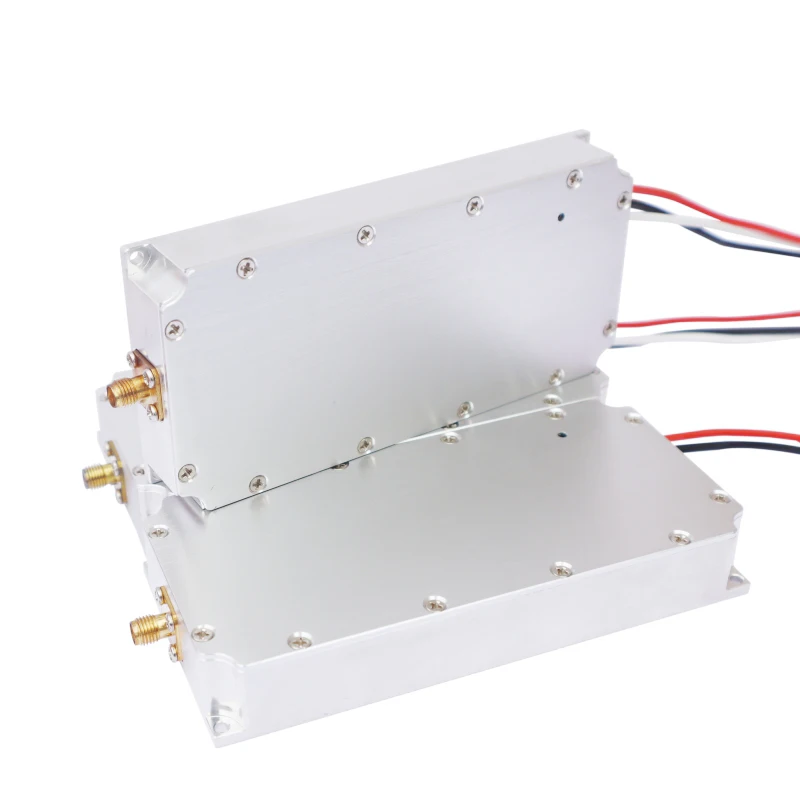
A drone rf jammer inashughulikia kwa kuzalisha matokeo ya mawimbi ya redio ya nguvu kubwa katika vifungu vya mawimbi yanayotumika na viwimbi vya hewa visivyofaa. Isignali hizi za uvurugu zinazidhi matokeo ya udhibiti ya dhaifu kulingana na watumiaji wa viwimbi vya hewa, kwa kufanya amri halisi zizitokeze chini ya nguzo za kelele za kielektroniki. Kifaa cha uvurugu kinachofanya uvurugu huu kwa kutumia njia mbalimbali ikiwemo uvurugu wa kibarabara, uvurugu wa kusogeza, na uvurugu wa eneo maalum.
Kujenga kifungo cha kuchanganya (barrage jamming) kinahusisha kutuma kelele ya upana mkubwa kwa muda mrefu katika vikoa vingi vya mafrekuenzi kwa pamoja, ikizalisha kuchanganya kwa kiasi kikubwa ambacho kuharibu vikoa vingi vya mawasiliano. Mbinu hii inahitaji matumizi ya nguvu kubwa lakini inatoa ulinzi wa kina dhidi ya aina mbalimbali za mapambo ya kufanya kazi kwenye mafrekuenzi tofauti. Ufanisi wa kujenga kifungo cha kuchanganya unategemea kubwa kwa tofauti ya nguvu kati ya ishara ya kuchanganya na uwasilishaji wa udhibiti wa halali.
Mifumo ya kujenga jammer ya mfumo wa drone ya kisasa hutumia uwezo wa kusoma mara kwa mara ya mzunguko wa mafrekuenzi ili kupata mawasiliano ya drone yanayotumika kabla ya kutekeleza udhibiti unaofokuswa. Vifaa hivi vya kisasa vinaweza kuchambua mtandao wa umeme kwa wakati halisi, kugundua ishara maalum za drone na kubadilisha vipengele vya kujenga kulingana na hayo. Mbinu hii ya kufokuswa inahakikisha udhibiti unaoendelea kwa ufanisi zaidi wakati huo huo ukidhoofisha athari za pamoja kwenye mifumo mingine ya umeme inayotumika katika eneo hilo.
Mbinu ya kujenga kwa kusonga kwa haraka zinajumuisha kusonga kwa haraka kupitia vyanzo vya mafrekuenzi vilivyopangwa awali, kuhakikisha kuuliza kwa ufanisi wa bandi zote za uendeshaji wa drone. Mbinu hii inafanya kazi vizuri sana dhidi ya mifumo ya kusonga kwa mafrekuenzi (frequency-hopping) ambayo inajaribu kuepuka udhibiti kwa kubadilisha mara kwa mara vyanzo vya mawasiliano. Muda na mtiririko wa kujenga kwa kusonga kwa haraka lazima uwekwe kwa makini ili kufanana au kuzidisha kasi ya kusonga kwa mifumo ya drone inayotarajiwa.
Vipengele vya usambazaji wa mawimbi ya redio vinaweza kusababisha mabadiliko makubwa katika mbadala ya uendeshaji na ufanisi wa vifaa vya kukatiza mawimbi ya redio ya mapambo. Hali za mazingira ikiwemo shinikizo la athmosfera, kiwango cha unyevu, mabadiliko ya joto, na mvua inaweza kuathiri njia za usambazaji wa ishara na mifano ya kuchanganya. Kuelewa vipengele hivi vya usambazaji vinaweza kusaidia wafanyikazi kuboresha nafasi ya kukatiza na viwango vya nguvu ili kupata ufanisi mkubwa katika mazingira tofauti ya uendeshaji.
Mazingira ya miji ina changamoto maalum kwa shughuli za kukatiza kwa sababu ya athari za usambazaji wa njia nyingi ambazo zinatokana na upinduzi wa majengo na kuchanganya kwa umeme kutoka kwa chanzo tofauti cha kielektroniki. Hali hizi zinaweza kusababisha vijito vya ishara na mifano ya kufichua ishara isiyo ya kawaida ambayo inaweza kuruhusu mawimbi ya mapambo kuendelea katika eneo fulani la jiografia hata baada ya kuanza kufanya shughuli za kukatiza.
Umbali wa kutekelezwa wa jammer ya rf ya drone unategemea sababu nyingi ikiwemo nguvu ya pato ya mtumiaji, antena vigezo vya upanuzi, ujuzi wa uwezo wa kupokea wa drone ya kudhalilishwa, na hali za mazingira ya usambazaji. Kifaa cha kawaida cha ya mkono kudhalilisha kinafurnishia ukubwa wa kutekelezwa unaofikia kutoka mita elfu kadhaa hadi kilomita nyingi, wakati mfumo mkubwa zaidi uliojengwa kwenye gari au uliothibitishwa unaweza kufikia umbali mkubwa zaidi wa uendeshaji.
Usimamizi wa nguvu unareprezenta kitendo muhimu kwa mfumo wa jammer ya rf ya drone ya kubeba, kwa maana utengenezaji wa udhalilisho wa nguvu ya juu unahitaji matumizi ya nishati kubwa. Muda wa kushinda batari mara nyingi hukuzuza muda wa uendeshaji wa mfululizo, kuhitaji mpango mzuri wa mikakati na kwa hali fulani kuhitaji chanzo cha nishati ya nje kwa mahitaji ya kusimamia kwa muda mrefu.
Watengenezaji wa ndege zisizo na rubani za kisasa wameunda teknolojia mbalimbali za kuzuia msongamano ili kudumisha viungo vya mawasiliano licha ya majaribio ya kuingilia kati yanayoendelea. Hatua hizi za kujilinda ni pamoja na mifumo ya wepesi wa masafa ambayo hubadilika haraka kati ya njia nyingi za mawasiliano, mbinu za kueneza wigo zinazosambaza ishara katika masafa mapana, na mifumo ya kudhibiti nguvu inayobadilika ambayo huongeza nguvu ya upitishaji wakati kuingilia kati kunapogunduliwa.
Baadhi ya mfumo wa vifaa vya kufanya kazi kwa mbali (unmanned systems) yenye uwezo wa juu inajumuisha njia mbalimbali za mawasiliano zinazotumika kama mazingira ya usalama (redundant communication pathways), ikiwemo mawasiliano ya satelaiti, mitandao ya simu za mkononi, na uwezo wa kujenga mitandao ya kushirikiana (mesh networking) ambayo inaruhusu uendeshaji wa mfumo hata wakati kanali za mawasiliano ya mzunguko wa redio (radio frequency) zinazotumika kwa kawaida zinavunjwa. Mikakati hii ya juu ya kupambana na uvunjaji inaleta changamoto za mara kwa mara kwa uwezo wa vifaa vya kuvunjia mawasiliano ya vifaa vya kufanya kazi kwa mbali (drone rf jammer) na inavyoendeleza maendeleo ya milele katika teknolojia ya vita vya umeme (electronic warfare).
Mizungumzaji ya kisasa mara nyingi yanajumuisha miongozo ya kujitegemea ya awali ambayo inaamshwa wakati muunganisho wa mawasiliano huachwa kwa sababu ya udhibiti wa kuvunjika. Mifumo hii ya usalama inaweza kujumuisha kazi za kurudi nyumbani kwa otomatiki, mifumo ya kusimama kwa mpango wa awali, au tabia ya kusimama mahali pale ili kuzuia uendeshaji usio na udhibiti wa ndege. Kuelewa mifumo hii ya kujitegemea inasaidia wafanyakazi wa usalama kubaini tabia ya ndege wakati wa udhibiti na kupangalia mikakati ya kuzuia matatizo.
Urefu wa mifumo ya kujitegemea unatoa tofauti kubwa kati ya ndege za watumiaji wa kawaida na vyanzo vya kijeshi au vya kitaaluma vya ndege bila msukumo. Mifumo ya juu inaweza kujumuisha uhamisho wa GPS, uwezo wa kuepuka mazingira ya ardhi, na miradi ya kutambua maamuzi ya akili ambayo inaruhusu utekelezaji wa kazi kwa muda mrefu hata baada ya kuchukua mawasiliano kutokana na vifaa vya udhibiti wa sigina ya ndege.
Uendeshaji wa vifaa vya kujaza sigina ya drone (rf jammer) unafuata mamlaka ya udhibiti wa kisheria kwa njia ya kipekee katika nchi nyingi za dunia. Mamlaka ya taarifa za kitaaluma ya kitaifa huendesha udhibiti wa pekee wa upangaji wa spektrumu ya mawimbi ya redio na ruhusa za kutumika, na shughuli za kujaza bila ruhusa mara nyingi zinajulikana kama dhambi kali za kisheria. Sheria hizi zimeundwa ili kulinda miundo muhimu ya mawasiliano na kuzuia kuchanganywa kwa huduma muhimu kama vile usalama wa ndege, mawasiliano ya dharura, na mitandao ya redio ya biashara.
Washirika wa jeshi la kijeshi na wa polisi mara nyingi hupata ruhusa maalum ya kusambaza teknolojia za kujaza katika hali fulani, lakini mashirika ya wananchi kwa kawaida hukabilwa na vizingatio vya kisheria vya kubwa juu ya shughuli hizo. Mazingira ya udhibiti yanavyovyo bado yanaendelea kubadilika wakati mamlaka yanavyopanganya mahitaji ya usalama na uwezekano wa kuchanganywa kwa ajili ya mawasiliano ya redio ya halali.
Uhamisho wa halali wa mfumo wa kujaza sigara za upepo (drone rf jammer) huwahitaji mchakato wa kusaini kwa ukamilifu ambao unaweza kujumuisha utafiti wa ushirikiano wa mzunguko wa mawimbi, tathmini ya athari kwa mazingira, na tathmini za usalama wa uendeshaji. Mahitaji haya yana uhakika kwamba shughuli za kujaza hazitaathiri miundombinu muhimu, huduma za dharura, au mitandao ya mawasiliano ya wananchi yanayotumia eneo hilo la jiografia.
UsHIRIKIANO wa kimataifa huwa muhimu wakati shughuli za kujaza zinatokea karibu na mipaka ya taifa au katika mikoa ambayo ina mamlaka ya kushirikiana. Mifano ya kisheria hiyo inayotokana na ufanisi wa kisasa inahitaji uchambuzi wa kisheria kwa makini na mara nyingi huweza kujumuisha ushirikiano kati ya wadau mbalimbali wa serikali na mashirika ya kimataifa ya mawasiliano.
Kuongeza utendaji wa jammer ya RF ya drone inahitaji mbinu za kujisadudu zinazotathmini ufanisi wa kuchanganya katika mifano mingi ya uendeshaji. Viashiria vya utendaji vya muhimu vinajumuisha kuhesabu kipimo cha uwiano wa jamming-kwa-saini, vipimo vya nguvu iliyotolewa kwa urahisi (ERP), uchambuzi wa ukubwa wa mstari wa mzunguko wa mawimbi, na viwango vya mafanikio ya kufikia lengo. Uchambuzi huu wa teknolojia unasaidia watumiaji kuboresha viparameta vya jamming na kuthibitisha ufanisi wa mfumo chini ya mazingira tofauti.
Mifano ya kujaribu katika maabara inahusisha mifano ya mawasiliano ya drone yanayotolewa kwa udhibiti ambapo ufanisi wa jamming unaweza kujisadudu kwa usahihi na kurekodiwa. Kujaribu nje ya maabara unahitaji mifano ya kujisadudu yenye uunganisho zaidi ambayo inachukua tahakiki ya variables za dunia halisi ikiwa ni pamoja na usambazaji wa anga, kuchanganya kwa umeme, na uwezo wa kudhibiti wa drone ya lengo.
Mifumo ya kisasa ya kujenga jammer ya mfumo wa drone rf mara nyingi huunganisha na mitandao ya uongozi wa viwango vya kielektroniki na ulinzi wa anga ili kupatia uwezo wa kutambua na kupunguza vituo vya udereva wa kawaida (UAV). Mifumo hii ya kuunganisha inajumuisha utambuzi wa radar bila shughuli, uchambuzi wa mzunguko wa umeme, mifumo ya kufuatilia kwa nuru, na teknolojia za kujenga jammer kwa lengo maalum ili kujenga mifumo ya ulinzi ya ngazi kwa ajili ya kuzuia shughuli za drone zisizoruhusiwa.
Mazingati ya kusambaza ni pamoja na upimaji wa nafasi ya antena, mahitaji ya chanzo cha umeme, mahitaji ya mfumo wa kuchukua joto kwa mtangazaji wa nguvu kubwa, na ubunifu wa kipengele cha mwanamke/mwanamme ambaye anatumia mfumo kwa ajili ya mshirikiano bora kati ya binadamu na mashine. Mifumo ya kusambaza kwa njia ya mbio inahitaji mazingati zaidi ikiwa ni pamoja na uunganisho na gari, uwezo wa kuanzisha haraka, na mazingati ya usafirishaji kwa shughuli za eneo la kazi.
Mifumo ya kuzuia drone kwa kutumia mawimbi ya redio (RF jammer) inalenga kikamilifu mizani ya mawimbi ya 2.4 GHz na 5.8 GHz ambayo hutumika kwa wingi na vikundi vya uwanja wa hewa bila mshakili (UAV) wa biashara na ya burudani. Vifaa vya kuzuia vya daraja la wataalam pia vinaweza kusambaza mizani ya mawimbi zaidi ikiwemo 433 MHz, 900 MHz, na mizani mbalimbali ya GPS kulingana na hatari maalum na mahitaji ya uendeshaji katika mazingira ya kichwa.
Umbali wa ufanisi wa jammer ya drone kwa kutumia mawimbi ya redio unabadilika kwa kiasi kikubwa kulingana na nguvu ya pato, muundo wa antena, hali za mazingira, na sifa za drone ya kichwa. Vifaa vya kushikwa kwa mikono mara nyingi hutoa uk coverage kutoka kwa mita 500 hadi kilomita 2, wakati vifaa vikubwa vya kugeuzwa kwa gari au vya kusimama vinaweza kufikia umbali zaidi ya kilomita 5 katika hali bora.
Mifumo ya juu ya vikwazo vina jumuisha teknolojia mbalimbali za kuzuia kuchanganywa, ikiwemo ubadilishaji wa mzunguko wa mawimbi, mawimbi ya mzunguko ulioenea, na njia mbalimbali za mawimbi yenye uhakika. Ingawa hatua hizi za kufanya kinyume huongeza uwezo wa kuzuia kuchanganywa, mfumo wa kuchanganywa kwa mawimbi ya vikwazo unaweza bado kuharibu vyombo vya angani visivyotumika na watu kwa nguvu ya kuchanganywa inayozidi na ukubwa wa mzunguko wa mawimbi.
Ndiyo, nchi nyingi zinazidhibiti au kuziweka moyo matumizi ya vifaa vya kuchanganywa kwa mawimbi ya vikwazo na wananchi kwa sababu ya uwezekano wa kuchanganywa kwa miundombinu muhimu ya mawimbi. Wao wana uhakika wa sheria wa kutumia teknolojia ya kuchanganywa ni watumishi wa jeshi, polisi, na mashirika ya serikali tu, na mara nyingi huyatamani ruhusa maalum za kufanya kazi na ushirikiano na washirika wa mawimbi.
Shenzhen Longyuan Technology inatoa mfumo wa kiburudumu wa drone kwa ajili ya vioo, makanisani na miunganisho muhimu. Kuchunguza kwa kutumia radio frekuensi (RF), kufuata na kuzima kwa kutumia antena za kigaini na suluhisho za kipekee. Inafaa kwa timu za usalama duniani.
Jengo A, Kaishangde Industrial Park, Nambari 1, Barabara ya Xinghua, Wilaya ya Pingdi, Mkoa wa Longgang, Mji wa Shenzhen
Copyright © 2026 Shenzhen Longyuan Technology Co., Ltd. Hakimilishi zote zimehifadhiwa. Sera ya Faragha
 EN
EN


 Habari Mpya