

Günümüz hava sahası güvenliği, insansız hava araçlarının ticari ve eğlence amaçlı sektörlerde yaygınlaşmasıyla benzeri görülmemiş zorluklarla karşı karşıyadır. Bir drone sinyal jeneratörü, yetkisiz hava girişimlerine karşı etkili önlemler sağlayan kritik bir teknolojik çözümdür. Bu gelişmiş cihazlar, potansiyel olarak tehdit oluşturan dronları etkisiz hale getirmek için hedefe yönelik radyo frekansı müdahaleleri kullanırken operasyonel güvenlik standartlarını korur. Güvenlik uzmanları, hassas tesisleri, toplu etkinlikleri ve sınırlı hava sahası bölgelerini korumak için giderek daha çok drone sinyal jeneratörü teknolojisine güvenir. Bu jener sistemlerin stratejik olarak konuşlandırılması, korunan alanlara girmeye çalışan kontrolden çıkmış uçakları anında devre dışı bırakabilen görünmez koruma bariyerleri oluşturur.
İnsansız hava aracı sinyal jener sistemleri, insansız hava araçları ile kumanda cihazları arasındaki iletişim kanallarına müdahale eden güçlü radyo frekansı sinyalleri göndererek çalışır. Bu cihazlar, genellikle drone operasyonlarında kullanılan 2,4 GHz ve 5,8 GHz spektrumları gibi belirli frekans bantlarını hedef alır. Etkinleştirildiğinde, jener, drone'un alıcı devrelerini bastıracak şekilde elektromanyetik girişim oluşturarak kontrol bağlantısını etkili bir şekilde keser. Çoğu ticari drone, navigasyon, uçuş kontrolü ve veri iletimi için sürekli radyo iletişimi ne güvenir. Bu bozulma, etkilenen araçların genellikle otomatik iniş veya eve dönüş sıralarıyla sonuçlanan emniyet protokollerini devreye sokmasına neden olur.
Gelişmiş drone sinyal jener teknolojisi, çeşitli drone modellerini ve iletişim protokollerini ele almak için çoklu frekans bandlarını kullanır. Modern jener cihazları, konum doğruluğunu korumayı veya otomatik uçuş yollarını gerçekleştirmeyi önleyerek GPS navigasyon sinyallerini aynı anda hedef alabilir. Seçici frekans hedefleme, yetkisiz havada tehditleri etkisiz hale getirirken önemli iletişim sistemlerinin etkilenmemesini sağlar. Profesyonel seviye jener ekipmanları, meşru elektronik cihazlara olan ek etkileşimini en aza indirgerken etkinliği maksimize etmek için ayarlanabilir güç seviyeleri ve yönlü antenler sunar.
Güncel drone sinyal jener platformları, karşı önlemleri başlatmadan önce havadaki tehditleri tanımlayıp sınıflandıran gelişmiş tespit yeteneklerini entegre eder. Bu sistemler, izinli ve izinsiz drone faaliyetlerini ayırt etmek için spektrum analizörleri ve örüntü tanıma algoritmalarını kullanır. Tespit aşaması, telemetri verileri ve video iletim sinyalleri de dahil olmak üzere drone haberleşme protokollerine özgü radyo frekans emisyonlarının izlenmesini içerir. Gerçek zamanlı analiz, güvenlik personelinin jener yetenekleri devreye sokmadan önce tehdit seviyelerini değerlendirmesini ve uygun yanıt tedbirlerini belirlemesini sağlar.
Akıllı drone sinyal jener sistemleri, bilinen drone imzalarının veritabanlarını tutar ve tespit edilen hava araçlarının hızlı tanımlanmasına ve sınıflandırılmasına olanak tanır. Makine öğrenimi algoritmaları, farklı drone modellerine özgü davranışsal kalıpları ve iletişim özelliklerini analiz ederek tespit doğruluğunu sürekli olarak artırır. Radar ve optik sistemler dahil olmak üzere çoklu sensör teknolojilerinin entegrasyonu, jener operasyonlarının etkinliğini artıran kapsamlı durum farkındalığı sağlar. Bu çok katmanlı yaklaşım, meşru işlemleri aksatabilecek yanlış pozitif olayları azaltırken güvenilir tehdit değerlendirmesini garanti eder.
Kritik altyapı tesisleri, önemli hizmetleri korumak ve olası güvenlik ihlallerini önlemek amacıyla drone sinyal jener sistemlerini kullanır. Elektrik üretim tesisleri, su arıtma tesisleri ve ulaşım merkezleri bu cihazları, gözetleme veya saldırı dronlarına karşı koruyucu alanlar oluşturmak için kullanır. Hassas bölgelerin etrafına stratejik olarak yerleştirilen jener ekipmanları, operasyonel esnekliği korurken kapsamlı koruma sağlar. Güvenlik protokolleri, tehditlere karşı daha etkili yanıt için jener yeteneklerini mevcut gözetim ve erişim kontrol sistemleriyle entegre eder. Yetkisiz dronlar önceden tanımlanmış güvenlik bölgelerine girdiğinde, otomatik devreye girme dizileri jener sistemlerini etkinleştirebilir.
Endüstriyel tesisler, drone sinyal jammersini kullanmanın, kapsamlı güvenlik stratejilerinin bir parçası olarak önemini giderek daha fazla fark etmeye başlıyor. İmalat tesisleri, kimyasal işlem tesisleri ve araştırma laboratuvarları, insansız hava araçları kullanılarak gerçekleştirilen endüstriyel casusluk ve potansiyel sabotaj girişimlerinden kaynaklanan risklerle karşı karşıyadır. Jammers teknolojisinin uygulanması, fiziksel engellerle ve insan güvenlik personeliyle tamamlayan ek bir koruma katmanı sağlar. Düzenli eğitim tatbikatları, güvenlik ekibinin jammers ekipmanını etkili bir şekilde işletirken acil durum müdahale prosedürleriyle koordinasyon sağlayabildiğini garanti eder.
Büyük çaplı kamuya açık etkinlikler, katılımcıları korumak ve operasyonel güvenliği sağlamak amacıyla gelişmiş drone sinyal jeneri kullanımını gerektirir. Spor müsabakaları, konserler ve siyasi toplantılar, insansız hava araçlarını gözetim, rahatsızlık çıkarma veya potansiyel zarar verme amaçlı kullanmaya çalışan bireylerden kaynaklanan artan tehditlerle karşı karşıyadır. Güvenlik planlayıcıları, birden fazla tehdit vektörünü ele alırken geçerli iletişim üzerinde minimum etki bırakacak şekilde jener kapasitelerini kapsamlı koruma planlarına entegre eder. Taşınabilir jener sistemlerinin geçici olarak dağıtımı, etkinlik süresince değişen güvenlik gereksinimlerine uyum sağlayabilen esnek bir koruma sunar.
Etkinlik güvenlik ekipleri kullanır drone sinyal bozucu mekânlarda güvenli hava sahası oluşturmak için kolluk kuvvetleriyle koordineli olarak teknoloji kullanılır. Etkinlik öncesi planlama, havacılık otoriteleri ve iletişim hizmet sağlayıcılarıyla frekans koordinasyonunu içerir ve bu sayede önemli hizmetlerle olan olası girişimler en aza indirilir. Mobil jammersız üniteler, ortaya çıkan tehditlere hızlı müdahale imkanı sunar ve operasyonel esnekliği korur. Etkinlik sonrası yapılan jammersız etkinlik analizi, gelecekteki güvenlik operasyonları için yerleştirme stratejilerinin geliştirilmesine yardımcı olur.
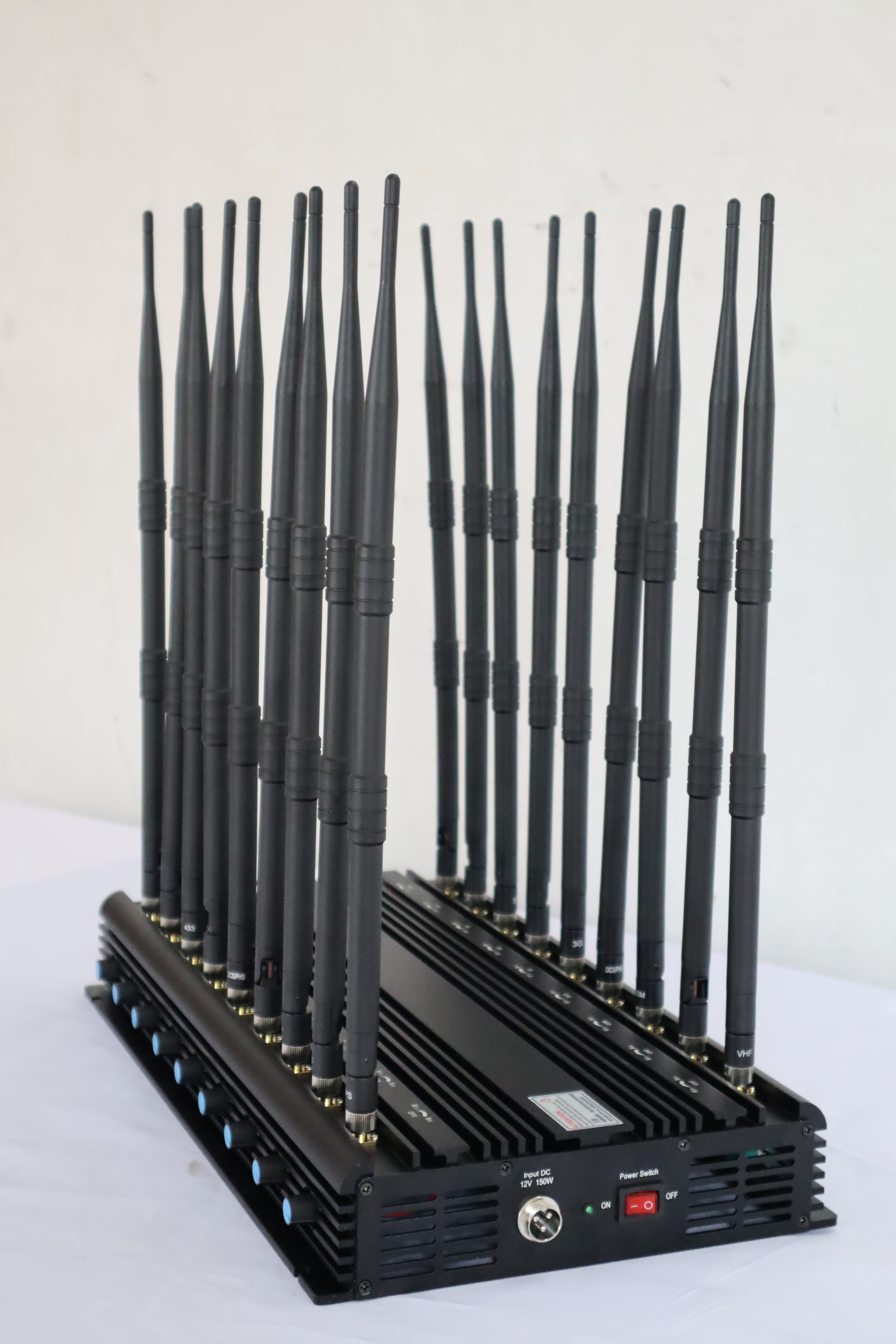
Profesyonel drone sinyal jener sistemleri, çeşitli drone iletişim protokollerini ve navigasyon sistemlerini ele almak için genellikle çoklu frekans bantlarında çalışır. Standart konfigürasyonlar, tüketici droneleri tarafından kullanılan 2,4 GHz ve 5,8 GHz bantlarını hedef alırken, gelişmiş sistemler 1,5 GHz'deki GPS frekanslarını ve ek özel iletişim kanallarını da kapsayacak şekilde genişletilir. Güç çıkışı özellikleri operasyonel gereksinimlere göre değişir; taşınabilir birimler her bant için 10-50 watt sağlarken sabit tesisler uzun menzilli kapsama için birkaç yüz watt üretebilir. Etkili jamlama menzili çevre faktörlerine, anten konfigürasyona ve hedef drone duyarlılığına bağlıdır.
Yüksek performanslı drone sinyal jeneri ekipmanı, belirli bölgelere yönelik elektromanyetik enerjiyi odaklayan gelişmiş anten sistemlerini içerir ve aynı zamanda çevre iletişimine olan etkileşimi en aza indirir. Yönlenmiş antenler, atama bölgeleri içinde jaming etkinliğini artıran hassas hedefleme imkanı sunarken, meşru elektronik sistemler üzerindeki yan etkileri azaltır. Uyarlanabilir güç kontrol mekanizmaları, tespit edilen sinyal gücüne ve çevresel koşullara göre çıkış seviyelerini otomatik olarak ayarlar. Bu özellikler, taşınabilir uygulamalarda pil ömrünü korurken aynı zamanda hassas ortamlarda elektromanyetik emisyonları en aza indirerek optimal performansı sağlar.
Etkili karıştırma menzili, ekipmanın özelliklerine, çevre koşullarına ve hedef insansız hava aracının (İHA) karakteristik özelliklerine bağlı olarak önemli ölçüde değişiklik gösterir. Taşınabilir İHA sinyal karıştırma cihazları tipik olarak en uygun koşullarda 100-500 metrelik bir kapsama yarıçapı sağlarken, sabit tesisler koruma alanını birkaç kilometreye kadar uzatabilir. Arazi özellikleri, bina yapıları ve atmosferik koşullar sinyal yayılımını ve karıştırma etkinliğini etkiler. Çoklu anten yapıları, ölü bölgeleri ortadan kaldıran ve hedef alanlarda kapsamlı koruma sağlayan üst üste düşen kapsama desenleri oluşturur.
Profesyonel kurulum ekipleri, drone sinyal jeneratörlerinin yerleştirilmesini optimize etmek ve kapsama verimliliğini en üst düzeye çıkarmak için saha araştırmaları gerçekleştirir. Tahmini modelleme yazılımı, arazi verilerini ve çevresel faktörleri analiz ederek anten konumlarının ve güç ayarlarının en uygun şekilde belirlenmesini sağlar. Çoklu jeneratör düğümlerinin entegrasyonu, gelişmiş drone tehditlerine karşı yedekli koruma sağlayan katmanlı savunma sistemleri oluşturur. Düzenli performans testleri, kapsama desenlerini doğrular ve korunan alanlarda sürekli jeneratör etkinliğini sağlar.
İnsansız hava aracı sinyal jeneratörü teknolojisinin kullanımı, çoğu yargı bölgesinde düzenleyici çerçevelere ve yetkilendirme prosedürlerine dikkatli bir şekilde uyulmasını gerektirir. Hükümet kurumları ve yetkili güvenlik organizasyonları genellikle belirlenmiş parametreler ve coğrafi sınırlar dahilinde jeneratif operasyonlara izin veren özel izinler alır. Düzenleyici uyumluluk, lisanslı iletişim hizmetlerine müdahalenin önlenmesi ve emisyon standartlarına uyulmasının sağlanması amacıyla telekomünikasyon kurumlarıyla koordinasyonu içerir. Kuruluşlar, geçerli güvenlik ihtiyaçlarını kanıtlamalı ve çevredeki elektronik sistemlere olan etkileri en aza indirmek için uygun koruma önlemlerini uygulamalıdır.
Uluslararası düzenlemelerin farklı olması, birden fazla yargı alanında faaliyet gösteren organizasyonlar için karmaşık uyum gereksinimleri yaratır. Bazı ülkeler sinyal kesme teknolojisi üzerinde katı kontroller uygularken, diğerleri yetkili güvenlik uygulamaları için daha esnek çerçeveler sunar. Hukuk departmanları, drone sinyal jener sistemleri devreye alınmadan önce doğru belgelendirme ve onay süreçlerinin sağlanması amacıyla güvenlik ekipleriyle yakından çalışır. Sürekli düzenleyici izleme, ortaya çıkan güvenlik tehditleri ve teknolojik gelişmelerle birlikte değişen mevzuata uyumun sürdürülebilmesini garanti eder.
Havacılık güvenlik otoriteleri, uçak operasyonlarını veya navigasyon sistemlerini etkileyebilecek drone sinyal jener sistemlerinin kullanımında bildirim ve koordinasyon yapılmasını gerektirir. Havaalanları ve uçuş koridorları çevresindeki korunan hava sahaları, meşru havacılık faaliyetlerine müdahale edilmemesi için özel dikkat gerektirir. Güvenlik organizasyonları, jama işlemlerinin uçuş güvenliğini veya acil durum iletişim sistemlerini tehlikeye atmamasını sağlamak amacıyla hava trafik kontrol kurumlarıyla birlikte protokoller oluşturur. Korunan bölgeler ile uçuş koridorları arasında güvenli mesafenin korunması amacıyla jama işlemleri sırasında geçici uçuş kısıtlamaları gerekebilir.
Acil servislerin koordinasyonu, drone sinyal jeneratörlerinin polis, itfaiye ve tıbbi müdahale ekipleri tarafından kullanılan kritik iletişim sistemlerini etkilememesini sağlar. Frekans koordinasyonu protokolleri, jeneratör işlemlerinin acil durum radyo ağları veya diğer hayati hizmetleri kesintiye uğratmasını engeller. Havacılık yetkilileriyle yapılan düzenli iletişim, durum farkındalığını korur ve herhangi bir girişim ihbarına hızlı yanıt verilmesini sağlar. Bu iş birliğine dayalı yaklaşımlar, güvenlik gereksinimleri ile kamu güvenliği yükümlülüklerini dengelemeyi ve aynı zamanda etkili drone karşı önlemleri kapasitesini korumayı amaçlar.
Etkili hava sahası güvenliği, çoklu tehdit vektörlerini aynı anda ele alan daha geniş güvenlik yapıları içinde drone sinyal jener teknolojisinin entegrasyonunu gerektirir. Katmanlı savunma stratejileri, pasif tespit sistemleri, aktif jama yetenekleri ve kinetik karşı önlemleri birleştirerek havadaki tehditlere karşı kapsamlı koruma sağlar. Sensör füzyonu platformları, radar sistemleri, optik kameralar ve radyo frekansı analizörlerinden gelen verileri entegre ederek tepki kararlarını yönlendiren birleşik tehdit resimleri oluşturur. Tespit ve jama sistemleri arasındaki otomatik koordinasyon, hızlı tehdit müdahalesi sağlarken operasyonel verimliliği korur.
Güvenlik kontrol merkezleri, fiziksel bariyerler, personel dağıtımı ve acil durum müdahale protokolleri gibi diğer koruyucu önlemlerle entegre edilmiş drone sinyal jener operasyonlarını koordine eden sistemleri yönetir. Standartlaştırılmış iletişim arayüzleri, farklı güvenlik alt sistemleri arasında sorunsuz veri paylaşımını mümkün kılarak operasyonel esnekliği korur. Gerçek zamanlı tehdit değerlendirme algoritmaları, drone davranışı, uçuş desenleri ve yük özelliklerini içeren çoklu faktörleri değerlendirerek uygun karşı önlemin seçimini belirler. Bu entegre yaklaşımlar, güvenlik etkinliğini en üst düzeye çıkarırken kaynak gereksinimlerini ve operasyonel karmaşıklığı en aza indirir.
Modern güvenlik operasyon merkezleri, drone sinyal jammersini çoklu güvenlik sistemlerini merkezi arayüzler aracılığıyla yöneten birleşik komut platformlarına entegre eder. Operatör iş istasyonları, gerçek zamanlı durum izleme, tehdit görselleştirme ve hava tehditlere koordineli yanıt sağlayabilen jammersini kontrol yetenekleri sunar. Otomatik uyarı sistemleri, drone'ların korumalı hava alanına girmesi durumunda güvenlik personelini bildirir ve önceden tanımlanmış kurallar ile tehdit değerlendirme algoritmalarına dayalı uygun karşı önlemlerin devreye alınmasını önerir. Mevcut güvenlik yönetim sistemleriyle entegrasyon, mevcut operasyon prosedürleri içinde sorunsuz çalışma sağlar.
Uzaktan izleme yetenekleri, güvenlik denetçilerin merkezi konumlardan birden fazla drone sinyal jenerik kurulumunu denetlemesini sağlarken her bir siteye yerel operasyonel kontrolü korur. Güvenli iletişim ağları, jenerik sistemleri ile kontrol merkezleri arasında operasyonel komutların interception veya manipülasyonunu engellemek için şifreli veri iletimi sağlar. Performans kaydetme ve analiz araçları, jenerik etkinliğini ve sistem güvenilirliğini izleyerek sürekli iyileştirme ve bakım planlamayı destekler. Bu gelişmiş kontrol yetenekleri, operasyonel karmaşıklığı ve eğitim gereksinimlerini azaltırken optimal sistem performansını sağlar.
Profesyonel drone sinyal jener sistemleri, genellikle ekipman özelliklerine, çevresel koşullara ve hedef drone karakteristiklerine bağlı olarak 500 metre ile 5 kilometre arasında etkili menzil sağlar. Taşınabilir cihazlar genellikle 1 kilometreye kadar kapsama alanına sahiptir, ancak yüksek güçlü amplifikatörlü ve yönlü antenli sabit tesisler koruma bölgelerini önemli ölçüde daha uzağa kadar uzatabilir. Arazi özellikleri, atmosferik koşullar ve elektromanyetik girişim gibi faktörler, operasyonel ortamlarda gerçek performans menzillerini etkiler.
Gelişmiş drone sinyal jener sistemleri, yetkili ve yetkisiz hava araçlarını ayırt etmek için iletişim kalıplarını, uçuş davranışlarını ve kimlik sinyallerini analiz eden akıllı tespit algoritmalarını içerir. Yetkili dronlar genellikle kimlik doğrulama kodlarını yayınlayan transponder'lar veya tanımlama sistemleriyle çalışır, yetkisiz hava araçları ise bu kimlik bilgilerine sahip değildir. Güvenlik personeli, jener sistemlerini belirli drone imzalarını yok sayacak şekilde veya yetkili uçuşların planlanmadığı belirlenmiş zaman aralıklarında çalışacak şekilde yapılandırabilir.
Profesyonel drone sinyal jeneri ekipmanı, seçmeli frekans hedefleme ve güç kontrol mekanizmaları aracılığıyla meşru elektronik sistemlerdeki etkileşimi en aza indirmek üzere tasarlanmıştır. Ancak, benzer frekanslarda çalışan yakındaki cihazlar, jener işlemi sırasında geçici olarak kesinti yaşayabilir. Uygun kurulum ve yapılandırma, yan etkiyle oluşan etkileşimi büyük ölçüde azaltır ve yerel makamlarla yapılan koordinasyon ise elektromanyetik emisyon yönetmeliklerine uyum ile kritik iletişim hizmetlerinin korunmasını sağlar.
İha sinyali jener sistemleri, optimal performansı korumak için anten muayenesi, güç sistemi testi ve yazılım güncellemelerini içeren düzenli bakımı gerektirir. Güvenlik personelinin sistem çalıştırması, tehdit tespiti ve mevzuata uyum prosedürleri konusunda kapsamlı eğitim almış olması gerekir. Sürekli eğitim, operatörlerin gelişen İha teknolojilerini ve karşı önlemler tekniklerini anlamasını ve aynı zamanda ekipman kontrolleri ile acil durum prosedürlerinde ustalığını sürdürmesini sağlar. Yıllık sistem kalibrasyonu ve performans doğrulaması, etkinliğin devam etmesini ve mevzuata uyumu sağlamak için önemlidir.
Shenzhen Longyuan Teknoloji, havaalanları, stadyumlar ve kritik altyapılar için akıllı drone karşıtı sistemler sunmaktadır. Yüksek kazançlı antenler ve özel çözümlerle gerçek zamanlı RF tespiti, takibi ve sinyal karıştırmayı sağlar. Küresel güvenlik ekipleri tarafından güvenilen çözüm ortağıdır.
B Binası, Kaishangde Sanayi Parkı, No. 1 Xinghua Caddesi, Pingdi İlçe, Longgang İlçe, Shenzhen Şehri
Telif hakkı © 2026 Shenzhen Longyuan Technology Co., Ltd. Tüm hakları saklıdır. Gizlilik politikası
 EN
EN


 Son Haberler