
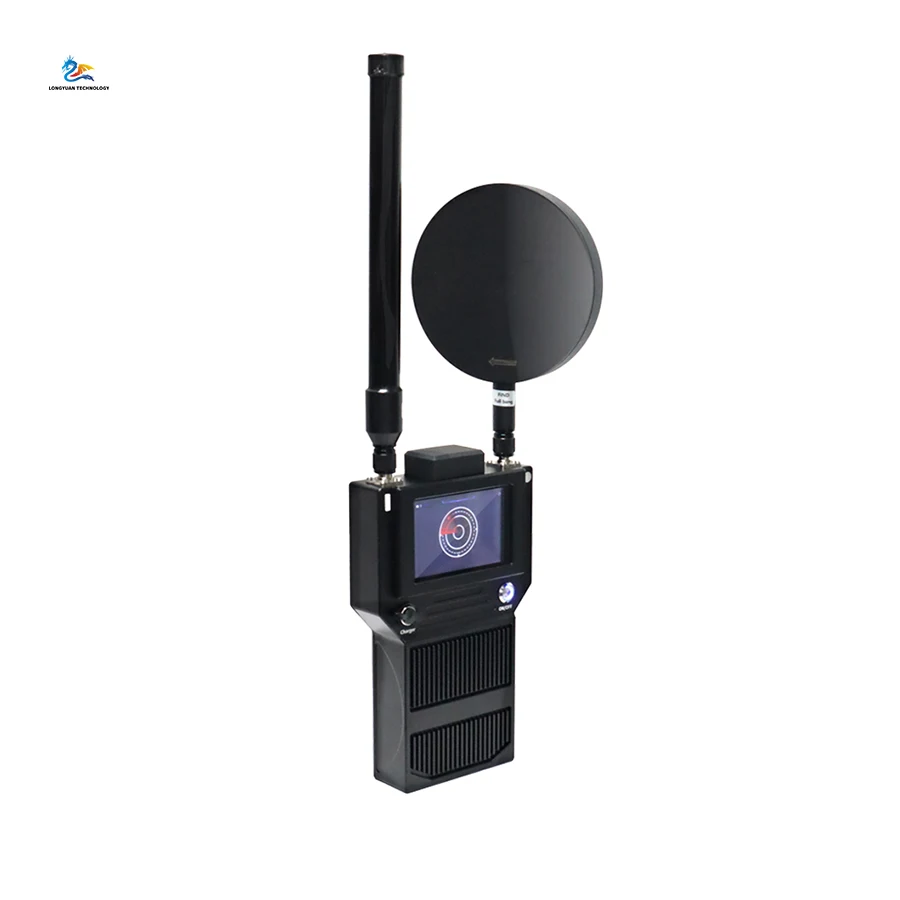
Modern tactical operations face unprecedented challenges from unmanned aerial vehicles that threaten operational security and mission success. Military personnel, law enforcement agencies, and security professionals increasingly rely on specialized equipment to neutralize unauthorized drone activities during critical missions. A drone jammer backpack represents a sophisticated countermeasure solution that provides mobile interference capabilities while maintaining operational flexibility. These portable systems enable tactical teams to establish secure perimeters and protect sensitive locations from aerial surveillance threats. The integration of jamming technology into backpack form factors has revolutionized how security forces approach drone countermeasures in dynamic operational environments.

Drone jammer backpack systems employ sophisticated radio frequency interference techniques to disrupt communication links between unmanned aircraft and their control stations. These devices generate targeted electromagnetic signals across multiple frequency bands commonly used by commercial and military drones. The jamming process involves overwhelming the drone's receiver circuits with high-power noise signals that prevent proper command reception. Advanced systems incorporate frequency hopping capabilities to counter drones utilizing spread spectrum communication protocols. The effectiveness of signal disruption depends on factors including transmission power, antenna design, and frequency coverage range.
Modern jamming architectures utilize software-defined radio technology to provide adaptive frequency selection and signal modulation. This flexibility allows operators to configure jamming parameters based on specific threat profiles and operational requirements. The systems continuously monitor the electromagnetic spectrum to identify active drone communication channels and automatically adjust interference patterns. Multi-band operation ensures comprehensive coverage across GPS navigation frequencies, control command links, and video transmission channels. Real-time spectrum analysis capabilities enable operators to optimize jamming effectiveness while minimizing interference with friendly communication systems.
Effective power management represents a critical design consideration for portable drone jamming equipment that must operate reliably during extended tactical missions. High-capacity lithium battery systems provide the energy density required to sustain powerful radio frequency transmission over multiple hours of continuous operation. Advanced power management circuits optimize energy consumption by dynamically adjusting transmission power levels based on target proximity and signal strength requirements. Smart charging systems enable rapid battery replacement and field recharging capabilities using standard military power sources. Thermal management systems prevent overheating during high-power operation while maintaining equipment reliability in challenging environmental conditions.
Battery monitoring systems provide real-time status information including remaining operational time, charge levels, and system health diagnostics. Modular battery design allows tactical teams to carry spare power modules for extended mission duration without compromising mobility. Energy-efficient amplifier designs maximize operational time while maintaining effective jamming range and signal strength. Low-power standby modes conserve battery life during inactive periods while enabling rapid activation when threats are detected. Integrated power distribution systems ensure stable voltage regulation across all electronic components regardless of battery charge state.
Successful deployment of a drone jammer backpack requires comprehensive mission planning that considers threat vectors, operational terrain, and friendly force coordination requirements. Intelligence gathering processes identify potential drone threats including aircraft types, operating frequencies, and typical flight patterns within the area of operations. Terrain analysis determines optimal positioning for maximum jamming effectiveness while considering factors such as line-of-sight requirements and signal propagation characteristics. Coordination with air traffic control and friendly aviation assets prevents interference with authorized aircraft operations. Risk assessment procedures evaluate potential collateral effects on civilian communication infrastructure and electronic systems.
Tactical deployment protocols establish clear rules of engagement for jamming system activation and operational boundaries. Mission commanders must balance the need for drone protection against potential interference with critical communication networks and navigation systems. Pre-deployment testing verifies system functionality and confirms frequency coordination with other electronic warfare assets. Backup procedures ensure mission continuity in case of equipment failure or unexpected technical challenges. Environmental considerations include weather effects on radio propagation and potential impacts on system performance and reliability.
Effective team coordination ensures that drone jammer backpack operations integrate seamlessly with broader tactical objectives while maintaining communication connectivity among team members. Dedicated communication channels separate from jamming frequencies enable continuous coordination between the jamming operator and command elements. Visual and audio warning systems alert team members when jamming systems are active to prevent interference with personal communication devices. Standard operating procedures define roles and responsibilities for jamming system deployment, monitoring, and deactivation. Training programs ensure all team members understand jamming capabilities, limitations, and safety requirements.
Coordination protocols establish clear communication pathways between jamming operators and other electronic warfare assets to prevent mutual interference and optimize overall effectiveness. Real-time situation awareness systems provide updates on drone threats, friendly aircraft movements, and changing operational conditions. Emergency procedures enable rapid system shutdown in case of friendly aircraft approach or medical emergencies requiring immediate communication access. Cross-training ensures multiple team members can operate jamming equipment to maintain capability during personnel changes or casualties. After-action reporting procedures capture lessons learned and system performance data for continuous improvement.
The effective operational range of a drone jammer backpack varies significantly based on target drone type, environmental conditions, and system configuration parameters. Most tactical-grade portable jammers achieve effective ranges between 500 meters to 2 kilometers against standard commercial drones operating on typical frequency bands. High-power systems with optimized antenna arrays can extend jamming effectiveness to 3 kilometers or more under ideal conditions with clear line-of-sight to target aircraft. Urban environments with significant RF interference and physical obstacles typically reduce effective range by 30 to 50 percent compared to open terrain operations. Advanced adaptive power control systems automatically adjust transmission strength to maintain effective jamming while conserving battery life.
Range performance depends heavily on the drone's receiver sensitivity, antenna gain, and signal processing capabilities. Military-grade drones with hardened communication systems require higher jamming power levels and may demonstrate reduced susceptibility to interference. Frequency-specific jamming effectiveness varies with some bands providing superior penetration and disruption capabilities. Real-time range estimation systems help operators optimize positioning for maximum effectiveness while maintaining safe distances from friendly personnel and equipment. Environmental factors including weather conditions, atmospheric propagation, and electromagnetic interference from other sources significantly impact jamming performance and operational range.
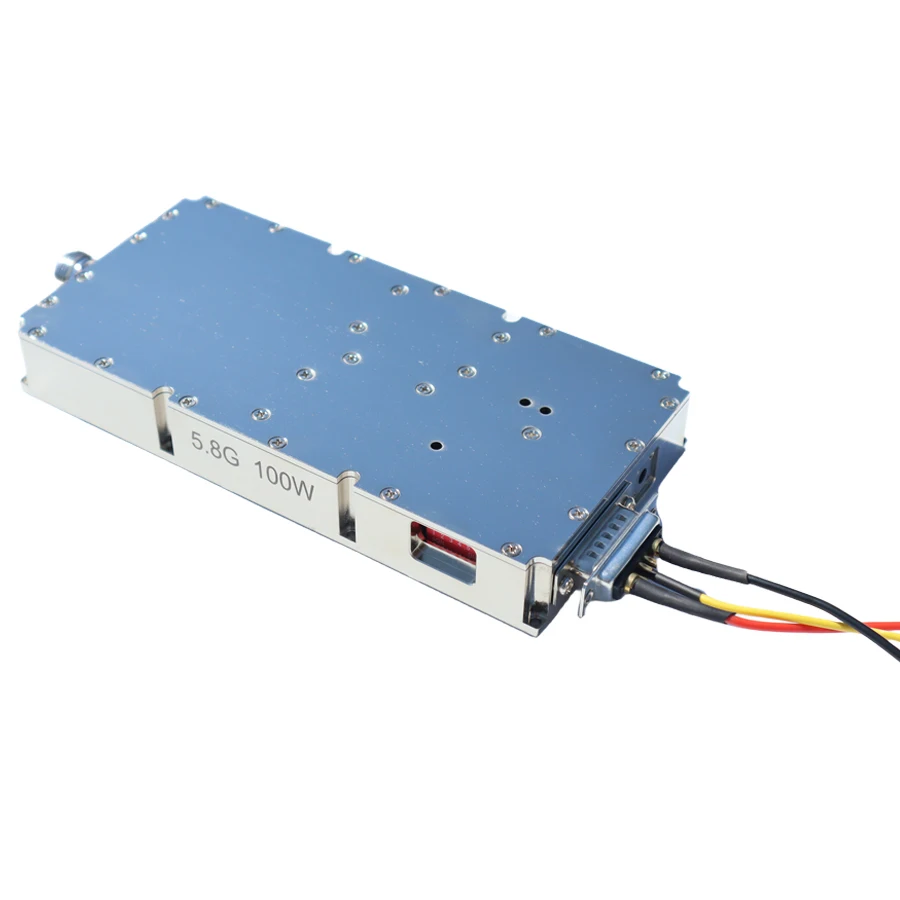
Comprehensive frequency band coverage ensures that drone jammer backpack systems can effectively counter diverse threat platforms operating across the electromagnetic spectrum. Standard coverage includes GPS navigation frequencies at 1.5 GHz, control command links at 2.4 GHz and 5.8 GHz, and video transmission bands commonly used by commercial and military drones. Advanced systems incorporate additional frequency ranges to address specialized threats including long-range communication links and encrypted control channels. Simultaneous multi-band jamming capabilities allow operators to disrupt multiple communication paths simultaneously for enhanced effectiveness against sophisticated drone platforms.
Frequency agility features enable rapid switching between different jamming modes to counter frequency-hopping drones and adaptive communication protocols. Software-defined radio architectures support field-programmable frequency profiles that can be updated based on emerging threat characteristics and new drone technologies. Band-specific power allocation optimizes jamming effectiveness across different frequency ranges while managing total power consumption and thermal generation. Spectrum monitoring capabilities provide real-time feedback on jamming effectiveness and help operators adjust parameters for optimal performance. Regulatory compliance features ensure jamming operations remain within authorized frequency bands and power limits.
Modern drone jammer backpack systems integrate seamlessly with existing command and control networks to provide comprehensive situational awareness and coordinated response capabilities. Network connectivity enables remote monitoring of jamming system status, battery levels, and operational parameters from command centers and mobile tactical operations centers. Real-time data feeds provide information on detected drone threats, jamming effectiveness, and system health to support decision-making processes. Integration with broader electronic warfare architectures enables coordinated jamming campaigns across multiple platforms and geographic areas. Secure communication protocols ensure that control data transmission does not compromise operational security or reveal tactical positions.
Automated reporting systems generate detailed logs of jamming activities, threat encounters, and system performance metrics for analysis and after-action review. Interface compatibility with military and law enforcement communication systems enables seamless integration into existing operational workflows. Remote configuration capabilities allow commanders to adjust jamming parameters and operational modes without requiring physical access to the equipment. Emergency override functions enable immediate system shutdown or mode changes in response to changing tactical situations. Data fusion capabilities combine jamming system information with other sensor inputs to provide comprehensive threat assessment and response coordination.
Effective drone countermeasures rely on cooperation between jamming systems and detection sensors to provide early warning and targeted response capabilities. Radar detection systems identify approaching drone threats and provide targeting information to optimize jamming system positioning and configuration. Radio frequency analyzers monitor the electromagnetic spectrum to identify active drone communication channels and guide jamming frequency selection. Acoustic sensors detect drone presence in low-visibility conditions and provide supplementary threat information. Optical detection systems using cameras and thermal imaging provide visual confirmation of drone threats and assess jamming effectiveness through observed aircraft behavior.
Data sharing protocols enable seamless information exchange between sensors and jamming systems to maximize overall system effectiveness. Automated threat classification systems analyze sensor data to determine appropriate jamming responses and reduce operator workload. Geographic information systems provide terrain analysis and line-of-sight calculations to optimize sensor and jammer placement. Distributed sensor networks extend detection range and provide redundant threat identification capabilities. Machine learning algorithms improve threat recognition accuracy and reduce false alarm rates by analyzing patterns in sensor data and jamming effectiveness.
Comprehensive training programs ensure that personnel operating drone jammer backpack systems possess the technical knowledge and practical skills required for effective deployment in tactical environments. Certification courses cover electromagnetic theory, radio frequency propagation, and jamming principles to provide operators with foundational understanding of system capabilities and limitations. Hands-on training exercises simulate realistic operational scenarios including threat identification, system deployment, and coordination with other team members. Advanced courses address specialized topics including frequency coordination, interference mitigation, and integration with electronic warfare assets. Continuing education requirements ensure operators maintain proficiency and stay current with evolving drone threats and countermeasure technologies.
Practical exercises emphasize proper equipment handling, battery management, and field maintenance procedures to maximize system reliability and operational availability. Safety training covers RF exposure limits, equipment handling procedures, and emergency response protocols. Simulation-based training provides realistic scenarios without the costs and risks associated with live jamming exercises. Assessment programs verify operator competency through written examinations and practical skill demonstrations. Instructor certification ensures training quality and consistency across different organizations and operational units.
Standardized operating procedures provide clear guidance for drone jammer backpack deployment, operation, and maintenance to ensure consistent performance across different missions and operators. Pre-deployment checklists verify system functionality, battery status, and frequency coordination before mission commencement. Activation procedures define the authorization requirements and safety protocols for jamming system operation. Monitoring procedures specify the parameters that operators must track during active jamming including system temperature, power consumption, and jamming effectiveness indicators. Deactivation procedures ensure safe system shutdown and proper equipment securing after mission completion.
Maintenance procedures specify regular inspection requirements, cleaning protocols, and preventive maintenance tasks to maintain system reliability and performance. Troubleshooting guides help operators identify and resolve common technical problems in field environments. Documentation requirements ensure proper recording of system usage, maintenance actions, and performance observations. Emergency procedures provide guidance for responding to system malfunctions, RF interference problems, and safety hazards. Quality assurance procedures verify that all operations comply with established standards and regulatory requirements.
The operational range of a drone jammer backpack typically extends from 500 meters to 2 kilometers for most commercial drone targets, with high-power systems capable of reaching up to 3 kilometers under optimal conditions. Range effectiveness depends on factors including target drone type, environmental conditions, terrain features, and system power output. Urban environments with RF interference and obstacles generally reduce effective range by 30-50% compared to open terrain operations. Military-grade drones with hardened communication systems may require closer engagement distances due to their enhanced interference resistance.
Battery life for drone jammer backpack systems varies based on power settings, jamming modes, and environmental conditions, typically providing 2-6 hours of continuous operation. High-power jamming modes consume more energy and reduce operational time, while selective frequency jamming can extend battery life significantly. Advanced power management systems optimize energy consumption by adjusting transmission power based on target proximity and threat assessment. Modular battery designs allow for field replacement of power modules to extend mission duration without system downtime.
The legality of drone jammer backpack systems for civilian use varies significantly by country and jurisdiction, with most nations restricting their use to authorized government agencies, military forces, and licensed security organizations. In the United States, the Federal Communications Commission prohibits civilian ownership and operation of jamming equipment due to potential interference with licensed communication services. Law enforcement and military agencies typically require special authorization and frequency coordination before deploying jamming systems. Users must comply with all applicable regulations and obtain proper licensing before operating jamming equipment.
Drone jammer backpack systems can potentially interfere with other electronic devices operating on similar frequencies, including WiFi networks, Bluetooth devices, GPS receivers, and cellular communications. Modern systems incorporate selective frequency targeting to minimize collateral interference with non-target systems. Proper frequency coordination and power level management reduce the risk of unintended interference with critical communication infrastructure. Operators must consider potential effects on friendly electronic systems and implement appropriate mitigation measures to prevent operational disruption to authorized users.

Shenzhen Longyuan Technology provides intelligent counter-drone systems for airports, stadiums & critical infrastructure. Real-time RF detection, tracking, and jamming with high-gain antennas and custom solutions. Trusted by global security teams.
Building A,Kaishangde Industrial Park,No. 1 Xinghua Road, Pingdi Sub-district, Longgang District, Shenzhen City
Copyright © 2026 Shenzhen Longyuan Technology Co., Ltd. All rights reserved. Privacy Policy
 EN
EN


 Hot News