
The rapid proliferation of unmanned aerial vehicles has fundamentally transformed security landscapes across military, commercial, and civilian sectors. As drone capabilities have advanced exponentially, so too has the sophistication of countermeasures designed to neutralize potential threats. Modern drone jamming technology represents one of the most critical defensive innovations in contemporary security infrastructure, evolving from rudimentary signal blockers to highly sophisticated electronic warfare systems capable of selective interference and precision targeting.
The evolution of these systems has been driven by increasingly complex security challenges, ranging from protecting critical infrastructure to securing major public events. Understanding how drone jamming technology has developed provides essential insights into current capabilities and future directions in electronic countermeasure systems. This technological advancement reflects broader trends in cybersecurity, electronic warfare, and the ongoing arms race between offensive and defensive capabilities in the unmanned systems domain.
Contemporary drone jamming technology operates primarily through sophisticated radio frequency interference techniques that target specific communication bands used by unmanned aircraft systems. These systems generate controlled electromagnetic signals designed to disrupt the command and control links between operators and their aircraft, effectively severing the digital umbilical cord that enables remote operation. The precision required for effective jamming has necessitated significant advances in signal processing capabilities and antenna design.
Modern jamming systems employ adaptive algorithms that can identify and target multiple frequency bands simultaneously, addressing the challenge posed by frequency-hopping communication protocols. The technology has evolved to distinguish between different types of signals, allowing operators to selectively interfere with hostile drones while preserving legitimate communications in the same electromagnetic spectrum. This selectivity represents a quantum leap from early broad-spectrum jammers that indiscriminately blocked all radio communications in their operational range.
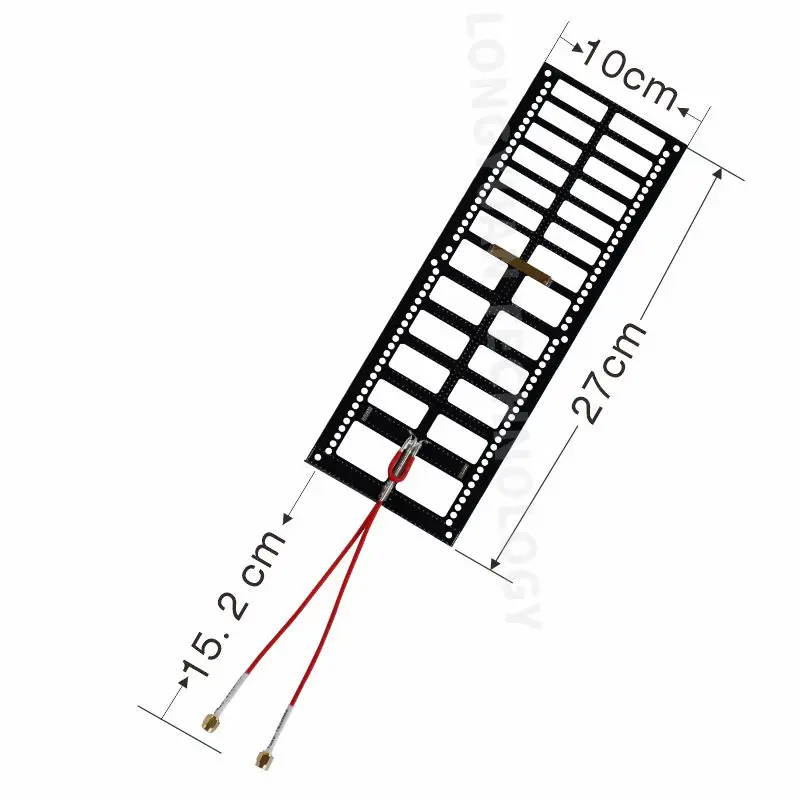
The development of phased array antennas and beamforming technologies has revolutionized how drone jamming technology delivers interference signals. These systems can now focus electromagnetic energy in specific directions, dramatically improving effectiveness while reducing collateral interference with nearby communications systems. The precision of modern beamforming allows operators to target individual drones within swarms, addressing one of the most challenging scenarios in contemporary airspace security.
Advanced signal processing algorithms enable real-time analysis of incoming drone communications, allowing jamming systems to adapt their interference patterns dynamically. This adaptive capability ensures optimal effectiveness against evolving drone communication protocols while minimizing power consumption and electromagnetic footprint. The integration of artificial intelligence in signal analysis has further enhanced the ability to distinguish between legitimate and potentially hostile unmanned aircraft operations.

Modern drone jamming technology incorporates sophisticated detection systems that combine radar, optical, and acoustic sensors to identify potential threats before initiating countermeasures. These integrated platforms provide comprehensive situational awareness, enabling operators to make informed decisions about when and how to deploy jamming capabilities. The fusion of multiple sensor modalities has dramatically improved detection accuracy while reducing false positive rates that plagued earlier systems.
The evolution toward multi-sensor platforms reflects the growing sophistication of drone threats, including smaller aircraft with reduced radar cross-sections and modified acoustic signatures. Advanced signal processing techniques allow these systems to track multiple targets simultaneously while maintaining continuous assessment of threat levels. This capability is particularly crucial in urban environments where legitimate drone activities must be distinguished from potential security threats.
The integration of machine learning algorithms has transformed how drone jamming technology identifies and classifies potential threats. These systems can now learn from historical data to improve recognition accuracy and reduce response times to emerging threats. Neural networks trained on extensive datasets of drone signatures enable automatic classification of aircraft types, flight patterns, and potential threat levels without human intervention.
Predictive analytics capabilities allow modern systems to anticipate drone behavior patterns and optimize jamming strategies accordingly. This proactive approach represents a significant advancement over reactive systems that only responded after threats were definitively identified. The continuous learning capability ensures that drone jamming technology remains effective against evolving drone capabilities and new threat vectors as they emerge.
Recent advances in drone jamming technology have focused heavily on developing selective jamming protocols that minimize power consumption while maximizing effectiveness. These protocols enable systems to target specific frequency bands and communication protocols used by hostile drones while preserving bandwidth for legitimate users. The development of intelligent power management systems has extended operational duration while reducing the electromagnetic signature of jamming operations.
Dynamic power allocation algorithms adjust transmission strength based on target distance, environmental conditions, and interference requirements. This adaptive approach ensures optimal resource utilization while maintaining effective countermeasures against drone threats. The evolution toward more efficient power management reflects growing awareness of the need for sustainable and discreet counterdrone operations in civilian environments.
The integration of advanced battery technologies has dramatically improved the operational flexibility of portable drone jamming technology systems. Lithium-ion and emerging solid-state battery designs provide extended operational periods while reducing system weight and maintenance requirements. These improvements have enabled the development of truly portable counterdrone systems suitable for rapid deployment scenarios.
Smart charging systems and energy harvesting capabilities have further enhanced the operational sustainability of modern jamming systems. Solar integration and kinetic energy recovery systems allow extended operations in remote locations without external power sources. These technological advances have expanded the deployment scenarios where drone jamming technology can be effectively utilized for security applications.
Modern drone jamming technology has evolved to integrate seamlessly with broader electronic warfare and network-centric defense systems. This integration enables coordinated responses to drone threats while maintaining situational awareness across multiple defense layers. The ability to share threat intelligence and coordinate countermeasures represents a significant advancement in comprehensive airspace security strategies.
Standardized communication protocols allow different jamming systems to operate cooperatively, creating overlapping fields of protection that ensure continuous coverage. This network approach eliminates single points of failure while optimizing resource allocation across multiple defensive positions. The evolution toward networked operations reflects the growing complexity of modern security challenges and the need for coordinated responses.
The development of sophisticated command and control interfaces has made drone jamming technology more accessible to operators with varying levels of technical expertise. User-friendly interfaces provide real-time system status information while automating complex decision-making processes. These advances have reduced training requirements while improving operational effectiveness across diverse deployment scenarios.
Remote operation capabilities enable centralized control of distributed jamming systems, allowing security personnel to coordinate counterdrone operations across large geographical areas. Cloud-based analytics platforms provide comprehensive data analysis and reporting capabilities that support continuous improvement in system effectiveness. This evolution toward centralized management reflects broader trends in security system integration and operational optimization.
The development of drone jamming technology has necessitated significant advances in electromagnetic compatibility standards and regulatory compliance frameworks. Modern systems must operate within strict power limitations and frequency allocations to prevent interference with critical communications infrastructure. This regulatory evolution has driven innovation in selective jamming techniques and precision targeting capabilities.
International coordination on electromagnetic spectrum management has influenced the design parameters of contemporary jamming systems. Compliance with aviation safety standards ensures that drone jamming technology can be deployed in civilian airspace without compromising legitimate aircraft operations. The evolution of these regulatory frameworks reflects growing recognition of the need for balanced approaches to airspace security that protect both safety and operational flexibility.
The establishment of clear authorization protocols for drone jamming technology deployment has been crucial for widespread adoption in civilian security applications. These protocols balance security needs with protection of legitimate drone operations and communications systems. The development of graduated response frameworks allows proportionate countermeasures based on assessed threat levels and operational contexts.
Automated compliance monitoring systems ensure that jamming operations remain within authorized parameters while maintaining effectiveness against potential threats. Real-time regulatory compliance reporting provides documentation necessary for legal protection and operational accountability. This evolution toward comprehensive compliance frameworks has enabled broader deployment of drone jamming technology while maintaining public trust and regulatory acceptance.
Emerging developments in quantum communication technologies are driving the next generation of drone jamming technology innovations. Quantum-resistant communication protocols require fundamentally different countermeasure approaches that go beyond traditional radio frequency interference. Research into quantum signal processing and entanglement disruption represents the cutting edge of counterdrone technology development.
The potential for quantum-enhanced detection capabilities could revolutionize how jamming systems identify and track drone targets. Quantum sensors offer unprecedented sensitivity and precision that could enable detection of previously undetectable aircraft. These emerging capabilities represent a paradigm shift in counterdrone technology that could maintain effectiveness against next-generation unmanned aircraft systems.
The continued integration of artificial intelligence capabilities is expected to drive significant advances in autonomous drone jamming technology operations. Machine learning algorithms will enable systems to adapt to new threats automatically while optimizing countermeasure strategies based on real-world performance data. This autonomous capability could dramatically reduce response times while improving overall system effectiveness.
Predictive threat modeling using artificial intelligence could enable proactive deployment of countermeasures before drone threats fully materialize. These capabilities would represent a fundamental shift from reactive to predictive security strategies. The evolution toward truly intelligent counterdrone systems reflects broader trends in autonomous security technologies and represents the future direction of drone jamming technology development.
Modern drone jamming technology incorporates selective frequency targeting, machine learning algorithms, and beamforming antennas that provide precision interference while minimizing collateral effects on legitimate communications. These systems can adapt to frequency-hopping protocols and distinguish between different types of aircraft, making them significantly more effective than broad-spectrum jammers used in earlier generations.
Regulatory frameworks require drone jamming technology to operate within specific power limitations and frequency allocations to prevent interference with critical infrastructure. These requirements have driven innovation in selective jamming techniques and precision targeting capabilities, ensuring systems can provide effective countermeasures while maintaining compliance with electromagnetic compatibility standards and aviation safety regulations.
Artificial intelligence enables drone jamming technology to automatically classify threats, optimize countermeasure strategies, and adapt to evolving drone capabilities. Machine learning algorithms analyze historical data to improve recognition accuracy and predict drone behavior patterns, allowing systems to respond proactively rather than reactively to potential security threats.
Advanced battery technologies, including lithium-ion and emerging solid-state designs, have dramatically extended the operational duration of portable drone jamming technology while reducing system weight. Smart charging systems and energy harvesting capabilities enable extended operations in remote locations, expanding the deployment scenarios where these systems can be effectively utilized for security applications.

Shenzhen Longyuan Technology provides intelligent counter-drone systems for airports, stadiums & critical infrastructure. Real-time RF detection, tracking, and jamming with high-gain antennas and custom solutions. Trusted by global security teams.
Building A,Kaishangde Industrial Park,No. 1 Xinghua Road, Pingdi Sub-district, Longgang District, Shenzhen City
Copyright © 2026 Shenzhen Longyuan Technology Co., Ltd. All rights reserved. Privacy Policy
 EN
EN


 Hot News