
Industrial facilities worldwide face increasing security challenges from unauthorized drone activities that threaten operational safety, intellectual property protection, and regulatory compliance. A drone rf jammer represents a sophisticated countermeasure technology designed to neutralize unmanned aerial vehicle threats through targeted radio frequency interference. These advanced security systems have become essential components of comprehensive industrial protection strategies, offering reliable defense against surveillance attempts, espionage activities, and potential physical threats posed by rogue drones.
Modern industrial environments require sophisticated security measures that can identify and neutralize drone threats before they compromise operational integrity. A drone rf jammer system incorporates advanced detection algorithms that monitor multiple radio frequency bands simultaneously, enabling rapid identification of unauthorized unmanned aerial vehicles approaching restricted airspace. These systems continuously scan communication frequencies used by commercial and consumer drones, providing early warning capabilities that allow security personnel to respond proactively to potential threats.
The detection capabilities extend beyond simple presence identification, offering detailed analysis of drone behavior patterns, flight paths, and operational characteristics. Security teams can distinguish between authorized drone operations and potential security threats through intelligent signal analysis that recognizes legitimate versus suspicious drone activities. This comprehensive approach ensures that industrial facilities maintain operational continuity while protecting against unauthorized surveillance, data theft, and potential physical security breaches.
Industrial drone rf jammer systems operate across multiple frequency bands to ensure comprehensive protection against diverse drone technologies. These sophisticated devices can simultaneously disrupt GPS navigation signals, control frequencies, and data transmission channels used by modern unmanned aerial vehicles. The multi-frequency approach ensures that even advanced drones equipped with frequency-hopping capabilities cannot evade detection and neutralization efforts.
Professional-grade systems incorporate adaptive frequency management that automatically adjusts interference patterns based on detected drone characteristics and operational environments. This intelligent frequency allocation prevents interference with authorized communications while maintaining effective drone neutralization capabilities. Industrial facilities benefit from customizable frequency profiles that accommodate specific operational requirements while ensuring compliance with regulatory standards governing radio frequency emissions.
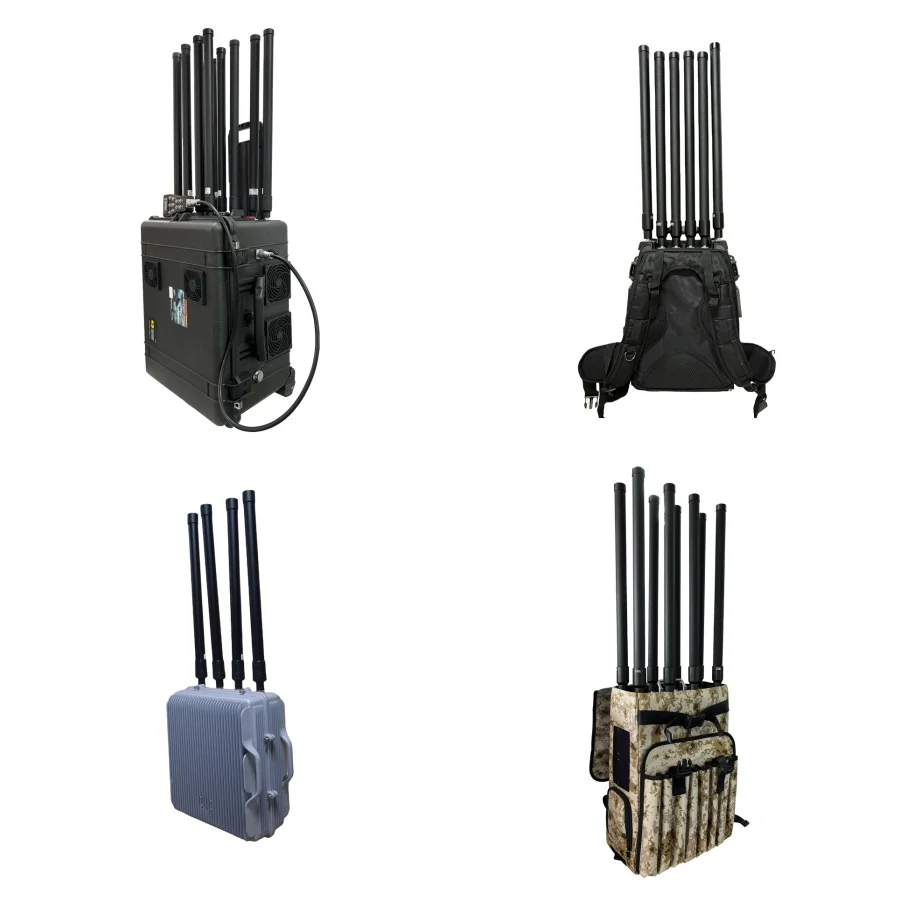
Critical infrastructure facilities including power plants, refineries, manufacturing complexes, and transportation hubs require robust protection against drone-based reconnaissance and potential attacks. A drone rf jammer provides essential security layers that prevent unauthorized aerial access to sensitive areas containing proprietary equipment, processes, and information. These systems create protective zones around critical assets, ensuring that competitors, activists, or malicious actors cannot gather intelligence through aerial surveillance.
The protection extends to safeguarding employee safety and preventing disruption of essential industrial processes that could result in significant economic losses or environmental hazards. Advanced systems can establish multiple protection zones with varying interference intensities, allowing authorized drone operations in designated areas while maintaining strict security around critical infrastructure components. This flexible approach enables industrial facilities to balance operational needs with comprehensive security requirements.
Industrial espionage represents a significant threat to competitive advantage and intellectual property protection across manufacturing, technology, and research sectors. Drone rf jammer technology provides effective countermeasures against sophisticated surveillance operations that attempt to gather proprietary information through aerial reconnaissance. These systems prevent competitors from obtaining detailed imagery of production facilities, equipment configurations, and operational procedures that could compromise competitive positioning.
Modern espionage drones often employ advanced cameras, thermal imaging systems, and signal interception equipment that can gather sensitive information from considerable distances. Professional drone rf jammer systems neutralize these threats by disrupting communication links and navigation systems, forcing unauthorized drones to return to their operators or land safely outside protected areas. This proactive approach ensures that valuable intellectual property remains secure while maintaining normal business operations.
Industrial facilities operating near airports, flight paths, or restricted airspace must comply with stringent aviation safety regulations that govern drone operations and countermeasures. A properly configured drone rf jammer system helps ensure compliance with federal aviation authority requirements while protecting industrial assets from unauthorized drone incursions. These systems incorporate sophisticated control mechanisms that prevent interference with legitimate aviation communications and navigation systems.
Professional installations include comprehensive documentation and certification processes that demonstrate compliance with regulatory standards governing radio frequency emissions and aviation safety protocols. Industrial facilities benefit from legal protection through properly implemented drone rf jammer systems that operate within authorized parameters while providing effective security coverage. Regular compliance audits and system updates ensure continued adherence to evolving regulatory requirements across different jurisdictions.
Effective drone security programs require coordination with local law enforcement agencies and security authorities to ensure legal compliance and operational effectiveness. Professional drone rf jammer installations include communication protocols that enable rapid information sharing with authorities when security incidents occur. These collaborative relationships help identify patterns of unauthorized drone activity and support broader security investigations.
Law enforcement partnerships provide additional benefits including access to advanced threat intelligence, coordination of response protocols, and legal support for security operations. Industrial facilities can leverage these relationships to enhance overall security posture while ensuring that drone rf jammer operations align with broader public safety objectives and regulatory requirements.
Modern industrial security infrastructure benefits from integrated approaches that combine multiple technologies for comprehensive threat detection and response capabilities. A drone rf jammer system can be seamlessly integrated with existing surveillance cameras, access control systems, intrusion detection networks, and security command centers. This integration creates unified security platforms that provide centralized monitoring and control of all security assets.
Advanced integration capabilities include automated response protocols that activate drone rf jammer systems when unauthorized aerial activities are detected by other security sensors. These automated responses reduce reaction times and ensure consistent security coverage even during periods of reduced staffing. Integration with security management software provides detailed logging capabilities that support incident analysis and continuous improvement of security procedures.
Industrial facilities vary significantly in size, complexity, and security requirements, necessitating flexible deployment options for drone rf jammer systems. Professional solutions offer modular architectures that can be scaled from single-building protection to comprehensive coverage of extensive industrial complexes. These scalable approaches ensure cost-effective implementation while providing room for future expansion as security needs evolve.
Deployment flexibility includes portable units for temporary protection during special events or construction projects, as well as permanent installations designed for continuous operation. Mobile deployment options enable rapid response to emerging threats or temporary security requirements without significant infrastructure investments. This adaptability ensures that industrial facilities can implement appropriate security measures regardless of operational constraints or budget limitations.
Traditional security approaches often require significant investments in personnel, training, and operational resources to maintain effective perimeter protection against aerial threats. Drone rf jammer systems provide automated security capabilities that reduce dependence on human monitoring while improving response times and consistency. These systems operate continuously without fatigue or attention lapses that can compromise security effectiveness.
The automation provided by advanced drone rf jammer technology enables security personnel to focus on higher-value activities while maintaining comprehensive protection against unauthorized drone activities. Reduced staffing requirements translate directly into operational cost savings while improving overall security posture through reliable, consistent protection capabilities that operate around the clock without supervision.
Security breaches involving unauthorized drone activities can result in significant financial losses through stolen intellectual property, operational disruptions, regulatory penalties, and reputation damage. Professional drone rf jammer systems provide cost-effective prevention measures that eliminate these risks through proactive threat neutralization. The investment in comprehensive drone security pays for itself through prevented losses and maintained competitive advantages.
Risk mitigation extends beyond direct financial losses to include insurance benefits, regulatory compliance advantages, and improved stakeholder confidence in security measures. Industrial facilities with comprehensive drone security programs often qualify for reduced insurance premiums while demonstrating commitment to protecting valuable assets and sensitive information from emerging security threats.
A drone rf jammer operates by transmitting targeted radio frequency signals that interfere with the communication links between unauthorized drones and their operators. The system disrupts GPS navigation signals, control frequencies, and data transmission channels, causing the drone to lose connection with its operator and typically activating return-to-home protocols or safe landing procedures. This approach neutralizes threats without physical destruction while ensuring the drone lands safely outside the protected area.
Critical infrastructure facilities including power plants, refineries, manufacturing complexes, research facilities, airports, and defense installations benefit significantly from drone rf jammer protection. Any industrial facility containing sensitive equipment, proprietary processes, or valuable intellectual property can enhance security through comprehensive drone countermeasures. Facilities located near urban areas or in regions with high drone activity levels particularly benefit from proactive drone security measures.
Legal requirements for drone rf jammer systems vary by jurisdiction and must be carefully evaluated before implementation. Many countries require proper licensing and coordination with aviation authorities to ensure compliance with radio frequency regulations and aviation safety requirements. Professional installations typically include legal consultation and regulatory compliance documentation to ensure lawful operation within authorized parameters.
Installation and configuration timelines for drone rf jammer systems depend on facility size, complexity, and integration requirements. Simple installations may be completed within days, while comprehensive systems covering large industrial complexes may require several weeks for proper installation, testing, and integration with existing security infrastructure. Professional installation teams provide detailed project timelines during the planning phase to ensure minimal disruption to normal operations.

Shenzhen Longyuan Technology provides intelligent counter-drone systems for airports, stadiums & critical infrastructure. Real-time RF detection, tracking, and jamming with high-gain antennas and custom solutions. Trusted by global security teams.
Building A,Kaishangde Industrial Park,No. 1 Xinghua Road, Pingdi Sub-district, Longgang District, Shenzhen City
Copyright © 2026 Shenzhen Longyuan Technology Co., Ltd. All rights reserved. Privacy Policy
 EN
EN


 Hot News