
The evolution of electronic warfare and communication systems has driven significant innovations in jamming technology, with modular jammer module designs emerging as a revolutionary approach to signal disruption and interference. This architectural paradigm represents a fundamental shift from traditional monolithic jamming systems to flexible, scalable solutions that can be rapidly configured and deployed across diverse operational scenarios. The modular jammer module concept has transformed how organizations approach electronic countermeasures, offering unprecedented adaptability and cost-effectiveness in modern security applications.
Contemporary security threats demand sophisticated countermeasures that can adapt to rapidly changing technological landscapes. The modular jammer module architecture addresses these challenges by providing a building-block approach to jamming system construction. Each module serves as an independent functional unit that can be combined with others to create comprehensive jamming solutions tailored to specific operational requirements. This modular design philosophy has proven invaluable in applications ranging from drone countermeasures to cellular communication disruption, where mission parameters frequently change and system flexibility becomes paramount.
The strategic advantages of implementing modular jammer module systems extend beyond mere technical specifications, encompassing operational efficiency, maintenance simplicity, and long-term cost optimization. Organizations investing in modular architectures gain the ability to scale their jamming capabilities incrementally, responding to evolving threats without requiring complete system overhauls. This approach has revolutionized how security professionals conceptualize and deploy electronic countermeasures in both military and civilian applications.
The foundation of effective modular jammer module design lies in rigorous component standardization that ensures seamless interoperability between different modules. Each module incorporates standardized interfaces, power requirements, and communication protocols that enable rapid integration into larger systems. This standardization extends to mechanical connections, electrical interfaces, and software protocols, creating a unified ecosystem where modules from different production batches or even different manufacturers can work together harmoniously.
The interoperability aspect of modular jammer module systems eliminates the traditional constraints associated with proprietary jamming solutions. Users gain the freedom to mix and match modules based on specific operational requirements rather than being locked into single-vendor ecosystems. This flexibility translates into significant cost savings and operational advantages, particularly for organizations managing multiple deployment scenarios with varying jamming requirements.
Modern modular jammer module architectures incorporate sophisticated power distribution systems that automatically adjust to the number and type of modules connected to the main system. These intelligent power management systems monitor individual module consumption, optimize power allocation based on operational priorities, and provide comprehensive protection against power-related failures. The scalable nature of these power systems ensures that adding or removing modules does not compromise the performance of the overall jamming system.
Advanced power distribution in modular jammer module systems includes features such as hot-swappable module connections, redundant power paths, and automatic load balancing. These capabilities ensure continuous operation even during module replacement or system reconfiguration activities. The power management system also provides detailed monitoring and diagnostic information, enabling proactive maintenance and optimal system performance throughout extended operational periods.
One of the most compelling advantages of modular jammer module systems is their ability to be rapidly configured and reconfigured to meet changing operational requirements. Unlike traditional jamming systems that require extensive planning and specialized technical support for modifications, modular systems can be adapted by field personnel using standardized procedures and tools. This capability proves invaluable in dynamic operational environments where threat profiles change frequently and jamming requirements must be adjusted accordingly.
The rapid reconfiguration capability of modular jammer module systems extends to frequency band adjustments, power level modifications, and coverage pattern changes. Operators can swap modules to target different frequency ranges, adjust transmission power to match operational requirements, and modify antenna configurations to optimize coverage for specific scenarios. This flexibility ensures that jamming systems remain effective against evolving threats without requiring lengthy downtime for major system modifications.
Modular jammer module designs enable unprecedented levels of mission-specific customization that would be impractical or impossible with traditional jamming architectures. Each deployment can be tailored to address specific threat environments, geographic constraints, and operational objectives through careful module selection and configuration. This customization capability ensures optimal performance while avoiding the over-specification and associated costs common in one-size-fits-all jamming solutions.
The customization advantages of modular jammer module systems extend to specialized applications such as vehicle-mounted installations, portable field deployments, and fixed-site security implementations. Each application type benefits from module combinations optimized for specific operating conditions, power constraints, and performance requirements. This targeted approach to system design ensures maximum effectiveness while minimizing resource consumption and operational complexity.
The economic advantages of modular jammer module systems begin with significantly reduced initial investment requirements compared to traditional monolithic jamming solutions. Organizations can implement modular systems incrementally, starting with basic configurations that address immediate needs and expanding capabilities as requirements evolve or budgets allow. This phased approach to system deployment eliminates the need for large upfront capital expenditures while providing immediate operational benefits.
The incremental investment model enabled by modular jammer module architectures allows organizations to optimize their spending by purchasing only the capabilities they currently need. Additional modules can be acquired and integrated as new requirements emerge or as budget cycles permit, ensuring that jamming capabilities grow in alignment with actual operational needs rather than speculative future requirements. This approach significantly improves return on investment and reduces the risk of over-specification common in traditional jamming system procurement.
Long-term maintenance costs represent a significant portion of total jamming system ownership expenses, making the maintenance advantages of modular jammer module designs particularly valuable. When failures occur in modular systems, only the affected module requires replacement or repair, rather than the entire system. This targeted maintenance approach reduces downtime, minimizes repair costs, and simplifies inventory management for spare components and replacement parts.
The maintenance benefits of modular jammer module systems include simplified diagnostics, reduced specialized tool requirements, and decreased technical training demands. Maintenance personnel can quickly identify failed modules through built-in diagnostic systems and replace them using standard procedures that do not require deep system-level knowledge. This simplification reduces training costs, minimizes the risk of maintenance-induced failures, and enables faster return to operational status following maintenance activities.
Modular jammer module systems excel in providing optimized frequency coverage through the strategic combination of specialized frequency-specific modules. Each module can be designed and optimized for specific frequency bands, ensuring maximum jamming effectiveness across the target spectrum without the compromises inherent in broadband designs. This approach enables superior performance compared to traditional wideband jammers that must sacrifice efficiency to cover broader frequency ranges.
The frequency optimization possible with modular jammer module designs extends to advanced features such as adaptive filtering, selective jamming, and interference mitigation. Modules can incorporate sophisticated signal processing capabilities tailored to specific frequency bands and target systems, enabling more effective jamming while minimizing collateral interference to non-target systems. This precision approach to jamming ensures maximum operational effectiveness while reducing the risk of unintended consequences.
System reliability in modular jammer module architectures benefits from inherent redundancy and fault isolation capabilities that are difficult to achieve in monolithic designs. When individual modules fail, the remaining modules continue to operate, providing partial system functionality rather than complete system failure. This graceful degradation characteristic ensures that jamming operations can continue even under adverse conditions, albeit potentially with reduced capability or coverage.
The reliability advantages of modular jammer module systems include improved fault detection and isolation capabilities that enable rapid identification and resolution of system problems. Built-in monitoring systems can track the performance of individual modules and alert operators to developing issues before they result in complete module failure. This predictive maintenance capability maximizes system uptime and enables proactive replacement of modules approaching end-of-life conditions.
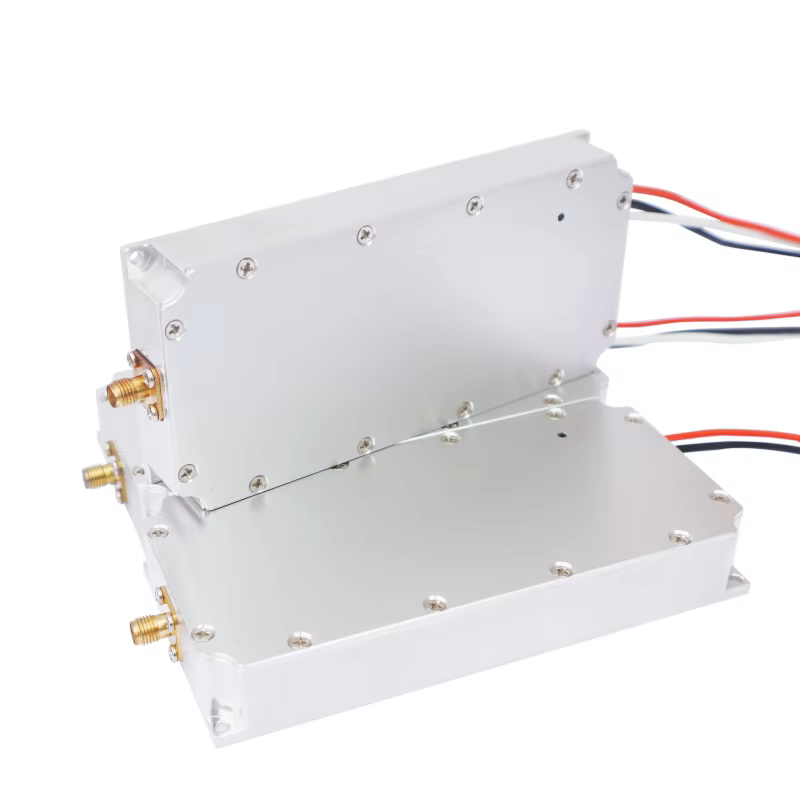
Modern modular jammer module designs incorporate comprehensive integration capabilities that enable seamless connection with existing legacy jamming systems and infrastructure. This backward compatibility ensures that organizations can leverage their existing investments while gradually transitioning to modular architectures. Integration adapters and interface modules provide the necessary connections between old and new systems, enabling hybrid configurations that maximize both existing capabilities and new modular advantages.
The integration benefits of modular jammer module systems extend to control systems, monitoring interfaces, and data collection capabilities. Modules can be designed to interface with existing command and control infrastructures, enabling centralized management of both legacy and modular jamming assets. This integration capability simplifies operational procedures and reduces training requirements while providing a clear migration path toward fully modular implementations.
The modular architecture of these jamming systems provides inherent accommodation for future technological developments without requiring complete system replacement. As new jamming techniques, frequency bands, or target systems emerge, corresponding modules can be developed and integrated into existing modular frameworks. This future-proofing capability ensures that investments in modular jammer module systems remain viable and effective over extended operational lifespans.
Future technology accommodation in modular jammer module designs includes provisions for software-defined radio capabilities, artificial intelligence integration, and advanced signal processing techniques. The standardized interfaces and scalable architectures of modular systems enable the incorporation of emerging technologies as they become available, ensuring that jamming capabilities can evolve in response to advancing threats and changing operational requirements.
Modular jammer module systems achieve superior cost-effectiveness through several key mechanisms. Initial investment requirements are significantly reduced because organizations can implement systems incrementally, purchasing only the modules needed for immediate requirements rather than complete systems designed for maximum potential needs. Maintenance costs are minimized through module-level replacement and repair, eliminating the need for extensive system-wide maintenance activities. Additionally, the ability to upgrade specific capabilities through module replacement rather than complete system overhaul provides long-term cost optimization that traditional jammers cannot match.
Modular jammer module designs enhance reliability through distributed functionality and fault isolation capabilities that prevent single points of failure from compromising entire systems. When individual modules fail, remaining modules continue to operate, providing graceful degradation rather than complete system failure. Built-in monitoring and diagnostic capabilities enable early detection of developing problems, allowing proactive maintenance before failures occur. The standardized interfaces and simplified replacement procedures reduce the risk of maintenance-induced failures while enabling faster restoration of full system capability following component failures.
Modern modular jammer module systems are specifically designed with extensive integration capabilities that enable seamless connection with existing security infrastructures. Standardized communication protocols, interface adapters, and control system compatibility ensure that modular jammers can be incorporated into established security networks without requiring major infrastructure modifications. Integration capabilities extend to command and control systems, monitoring networks, and data collection platforms, enabling centralized management of both legacy and modular jamming assets through unified operational interfaces.
Modular jammer module systems can address virtually any frequency range and application through appropriate module selection and configuration. Common applications include cellular communication jamming, WiFi and Bluetooth disruption, GPS signal interference, and drone countermeasures across frequency ranges from VHF through millimeter wave bands. The modular approach enables precise frequency targeting while maintaining the flexibility to adapt to new threats or requirements through module additions or replacements. Specialized modules can address specific applications such as software-defined radio jamming, spread spectrum interference, and advanced digital communication disruption techniques.

Shenzhen Longyuan Technology provides intelligent counter-drone systems for airports, stadiums & critical infrastructure. Real-time RF detection, tracking, and jamming with high-gain antennas and custom solutions. Trusted by global security teams.
Building A,Kaishangde Industrial Park,No. 1 Xinghua Road, Pingdi Sub-district, Longgang District, Shenzhen City
Copyright © 2026 Shenzhen Longyuan Technology Co., Ltd. All rights reserved. Privacy Policy
 EN
EN



 Hot News