
Modern security threats have evolved dramatically with the widespread adoption of unmanned aerial vehicles in both commercial and unauthorized applications. Organizations across critical infrastructure sectors now face unprecedented challenges in protecting their facilities from aerial intrusions. A drone rf jammer represents one of the most effective countermeasures available today, providing comprehensive protection against unauthorized drone activities across extensive perimeters. These sophisticated systems offer security professionals the capability to neutralize potential threats before they compromise sensitive areas or operations.
The operational principle behind drone rf jammer systems centers on radio frequency interference that disrupts communication pathways between drones and their control systems. These devices generate targeted electromagnetic signals across specific frequency bands commonly utilized by commercial and recreational drones. When a drone rf jammer activates, it effectively creates a barrier of interference that prevents incoming aerial vehicles from receiving navigation commands or transmitting surveillance data back to operators.
Advanced jamming systems incorporate multiple transmission modules that can simultaneously target various communication protocols including GPS signals, control frequencies, and video transmission channels. This multi-layered approach ensures comprehensive coverage against different drone models and operational configurations. The interference patterns generated by professional-grade systems are carefully calibrated to maximize effectiveness while minimizing impact on authorized communications infrastructure.
Professional drone rf jammer systems typically operate across multiple frequency ranges to address the diverse communication requirements of modern unmanned aerial vehicles. The most critical bands include the 2.4 GHz and 5.8 GHz ranges commonly used for control signals and video transmission. Additional coverage often extends to GPS frequencies around 1.5 GHz, which are essential for autonomous navigation capabilities in most commercial drone platforms.
Specialized systems may also incorporate jamming capabilities for satellite communication bands and cellular frequencies that enable beyond-visual-line-of-sight operations. This comprehensive frequency coverage ensures that even sophisticated drones equipped with multiple communication redundancies cannot maintain operational capability within the protected zone. The selection of appropriate frequency bands depends on the specific threat profile and regulatory considerations applicable to each deployment environment.
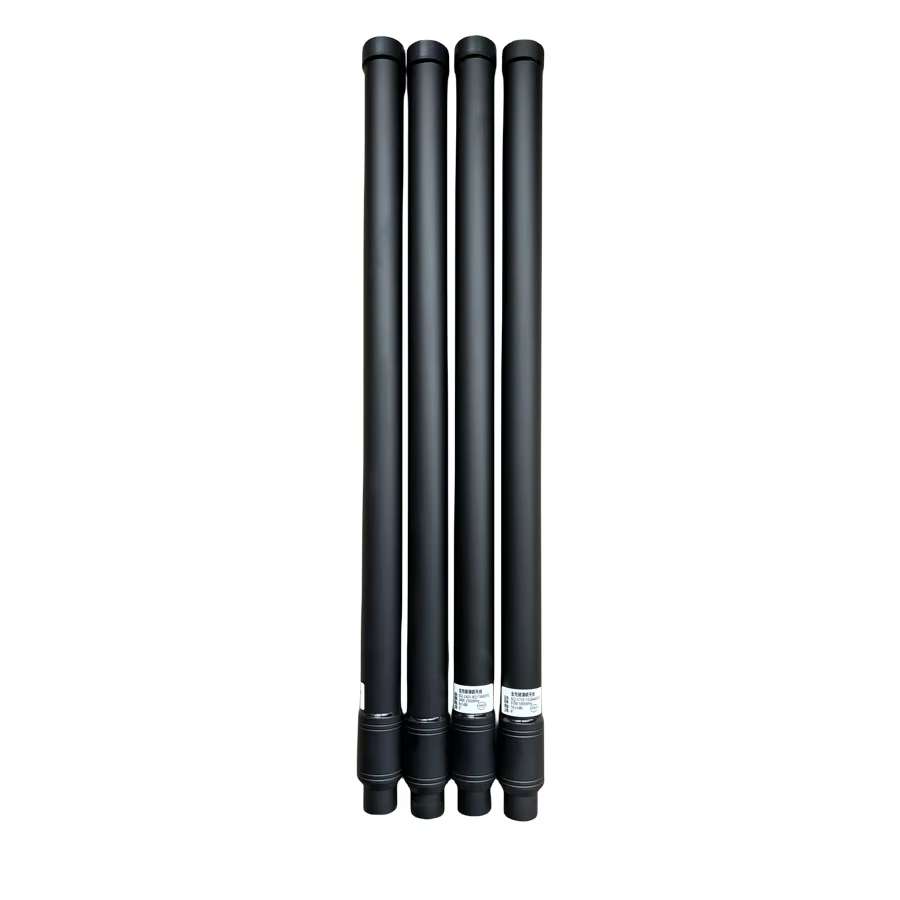
Aviation facilities represent primary targets for drone rf jammer deployment due to the severe safety implications of unauthorized aerial activity near aircraft operations. Modern airport security protocols increasingly incorporate these systems to create protective perimeters around runways, terminals, and approach corridors. The ability to automatically detect and neutralize drone threats without human intervention provides critical response capabilities during high-traffic periods when manual monitoring becomes impractical.
Implementation strategies for airport environments require careful coordination with air traffic control systems and communication infrastructure to prevent interference with legitimate aviation operations. Professional installations typically include selective jamming capabilities that can distinguish between authorized and unauthorized aerial vehicles based on identification protocols and flight patterns. This precision targeting ensures that emergency services helicopters and authorized inspection drones can continue operations while maintaining security against potential threats.
Manufacturing plants, chemical facilities, and energy infrastructure present attractive targets for surveillance or sabotage activities conducted through drone operations. A properly configured drone rf jammer provides perimeter defense that prevents unauthorized intelligence gathering or payload delivery attempts. These installations often require continuous monitoring capabilities that can respond to threats across extended operating hours without constant human oversight.
The integration of jamming systems with existing security infrastructure enables coordinated response protocols that can simultaneously activate physical barriers, alert security personnel, and document incident details for investigation purposes. Advanced systems incorporate threat assessment algorithms that can differentiate between accidental airspace violations and deliberate intrusion attempts, allowing appropriate response escalation based on the severity and persistence of detected activities.
Professional-grade drone rf jammer systems offer significant advantages in terms of operational range and area coverage compared to portable alternatives. Fixed installations can protect circular areas exceeding several kilometers in radius, depending on terrain characteristics and system configuration. This extended range capability enables comprehensive protection for large facilities without requiring multiple system deployments or coverage gaps that might be exploited by determined operators.
The effectiveness of jamming systems depends heavily on proper site planning and antenna placement strategies that account for topographical features and potential interference sources. Professional installations typically incorporate multiple transmission points positioned to eliminate dead zones and ensure consistent signal strength throughout the protected area. Advanced systems may also include adaptive power control that automatically adjusts transmission strength based on detected threat proximity and environmental conditions.
Modern drone rf jammer systems function most effectively when integrated with comprehensive detection networks that can identify incoming threats before they reach critical proximity to protected assets. Radar-based detection systems provide early warning capabilities that enable jamming activation with sufficient lead time to prevent successful intrusion attempts. This proactive approach significantly enhances overall security effectiveness compared to reactive countermeasures.
Sophisticated integration platforms can correlate data from multiple sensor types including acoustic detectors, optical tracking systems, and RF spectrum analyzers to provide comprehensive situational awareness. This multi-sensor approach enables accurate threat classification and appropriate response selection based on specific operational requirements and threat characteristics. The resulting system architecture provides security operators with detailed incident documentation and response effectiveness metrics for continuous improvement purposes.
The deployment of drone rf jammer systems must carefully consider applicable regulatory frameworks that govern radio frequency emissions and communication interference. Most jurisdictions require specific authorization for jamming equipment installation and operation, particularly in areas where legitimate communication services might be affected. Professional installations typically include compliance documentation and coordination procedures with relevant regulatory authorities to ensure lawful operation.
Operational protocols should include regular compliance audits and coordination with local emergency services to prevent interference with critical communication systems during emergency response activities. Many installations incorporate automatic shutdown capabilities that can be activated remotely by authorized personnel or triggered by emergency communication system activation. This approach ensures that drone defense capabilities do not compromise public safety communications during crisis situations.
Reliable operation of drone rf jammer systems requires comprehensive maintenance protocols that ensure consistent performance across varying environmental conditions and operational demands. Professional installations typically include remote monitoring capabilities that provide real-time status information and performance metrics to security personnel. These systems can detect component degradation before failure occurs, enabling proactive maintenance that prevents security gaps.
Performance monitoring protocols should include regular testing procedures that verify jamming effectiveness across all frequency bands and coverage areas. This testing may involve controlled drone flights conducted in coordination with security personnel to validate system response times and interference patterns. Documentation of test results provides valuable data for system optimization and demonstrates compliance with operational requirements to stakeholders and regulatory authorities.
When evaluating drone defense options, organizations must consider the comprehensive cost implications of different countermeasure approaches including personnel requirements, infrastructure modifications, and ongoing operational expenses. Drone rf jammer systems typically offer favorable economics compared to alternative solutions such as trained bird programs, net capture systems, or kinetic interceptors that require significant human intervention and specialized training programs.
The automated operation capabilities of electronic jamming systems eliminate the need for continuous human monitoring while providing consistent response times regardless of operator availability or training levels. This reliability factor becomes particularly important for facilities that require 24-hour protection or operate in remote locations where specialized security personnel may not be readily available. Long-term operational costs typically favor electronic solutions due to minimal consumable requirements and reduced personnel overhead.
The implementation of professional drone rf jammer systems provides quantifiable risk reduction that can be evaluated in terms of prevented incidents and their potential consequences. For critical infrastructure facilities, even a single prevented intrusion may justify the entire system investment through avoided regulatory violations, production disruptions, or security compromises. This risk mitigation value becomes increasingly significant as drone capabilities continue to advance and potential threat scenarios become more sophisticated.
Insurance considerations may also favor facilities with comprehensive drone defense capabilities, as insurers increasingly recognize the liability implications of inadequate aerial security measures. Professional jamming installations demonstrate proactive risk management that may qualify for premium reductions or enhanced coverage options. The documentation capabilities of integrated systems also provide valuable incident records that support insurance claims and regulatory compliance demonstrations.
Emerging drone rf jammer technologies increasingly incorporate artificial intelligence algorithms that enhance threat detection accuracy and reduce false alarm rates. These advanced systems can analyze flight patterns, communication signatures, and behavioral characteristics to distinguish between legitimate aerial activities and potential security threats. Machine learning capabilities enable continuous improvement in threat recognition based on accumulated operational experience and threat intelligence updates.
AI-enhanced jamming systems may also incorporate predictive capabilities that can anticipate drone approach patterns and optimize defensive positioning based on historical intrusion attempts and environmental factors. This proactive approach enables more efficient resource allocation and improved response effectiveness compared to purely reactive countermeasures. The integration of weather data, airspace restrictions, and special event information provides additional context for threat assessment and response planning.
As drone technology continues advancing with improved communication protocols and autonomous capabilities, drone rf jammer systems must evolve to address emerging threat characteristics. Future developments may include cognitive radio technologies that can automatically adapt jamming parameters based on detected communication protocols and encryption methods. This adaptive approach ensures continued effectiveness against sophisticated adversaries who may employ counter-countermeasure techniques.
Research into quantum communication applications and advanced encryption methods may require corresponding developments in jamming technology to maintain defensive advantages. Professional systems increasingly incorporate software-defined radio platforms that enable rapid updates and modifications through remote configuration management. This flexibility ensures that existing installations can adapt to new threat profiles without requiring complete system replacement or extensive hardware modifications.
Professional drone rf jammer systems typically provide effective coverage ranging from 1 to 5 kilometers radius, depending on the specific model, environmental conditions, and target drone characteristics. High-power installations designed for critical infrastructure protection may achieve even greater ranges, while portable systems generally offer coverage areas measured in hundreds of meters. The actual effective range varies based on factors including terrain features, atmospheric conditions, and the power output of the target drone's communication systems.
Modern professional jamming systems incorporate selective frequency targeting and directional antenna configurations that minimize interference with authorized communication services. Advanced systems include real-time spectrum monitoring capabilities that can identify and avoid frequencies currently in use by legitimate services. Additionally, professional installations typically coordinate with local communication authorities and emergency services to establish operational protocols that prevent interference with critical communications infrastructure.
Professional drone rf jammer systems require regular maintenance including antenna alignment verification, power supply testing, and software updates to address emerging threat profiles. Most installations benefit from quarterly technical inspections and annual comprehensive performance evaluations conducted by qualified technicians. Remote monitoring capabilities enable continuous system health assessment and proactive identification of potential issues before they impact operational effectiveness. Maintenance contracts typically include emergency response services and replacement component availability.
The legal framework governing drone rf jammer deployment varies significantly by jurisdiction, with most countries requiring specific authorization for jamming equipment installation and operation. Professional deployments typically require coordination with telecommunications regulatory authorities and may include restrictions on operational parameters, frequency usage, and geographic coverage areas. Organizations considering jamming system implementation should consult with legal counsel and regulatory experts to ensure compliance with applicable laws and obtain necessary operational permits before system activation.

Shenzhen Longyuan Technology provides intelligent counter-drone systems for airports, stadiums & critical infrastructure. Real-time RF detection, tracking, and jamming with high-gain antennas and custom solutions. Trusted by global security teams.
Building A,Kaishangde Industrial Park,No. 1 Xinghua Road, Pingdi Sub-district, Longgang District, Shenzhen City
Copyright © 2026 Shenzhen Longyuan Technology Co., Ltd. All rights reserved. Privacy Policy
 EN
EN


 Hot News