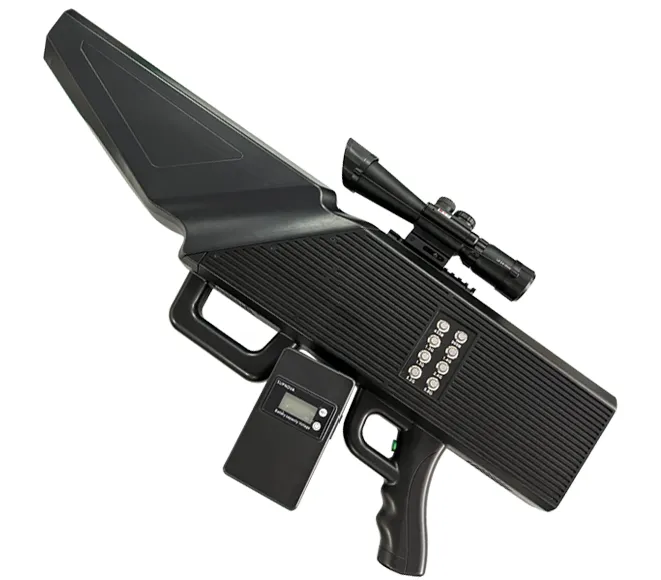
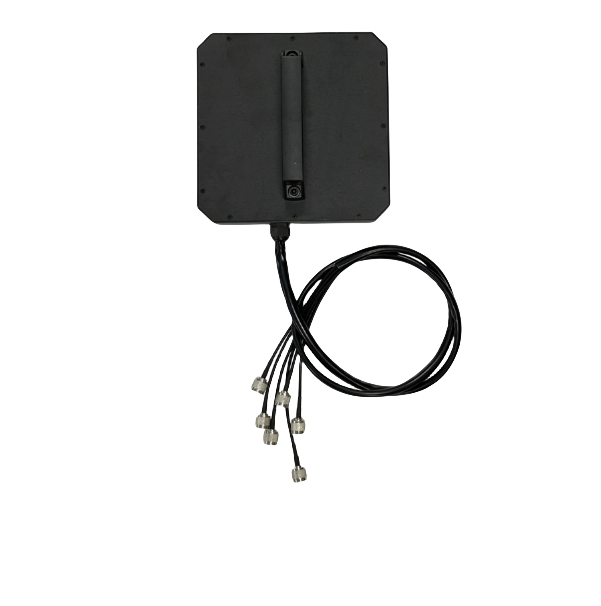
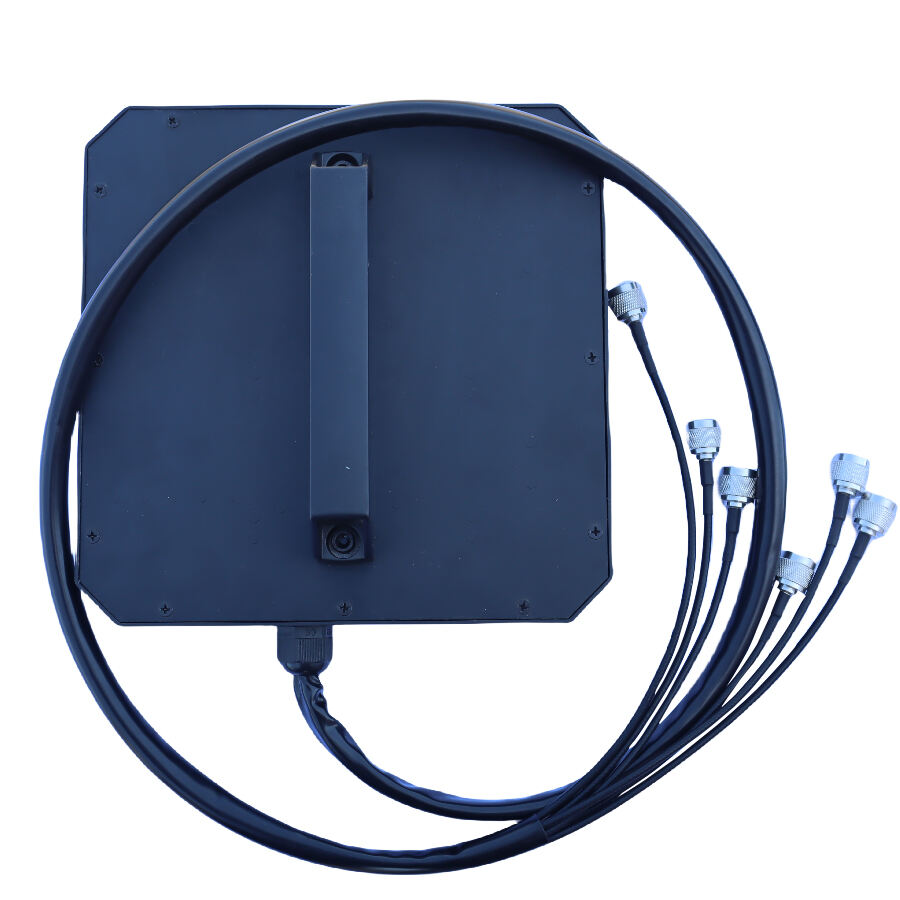
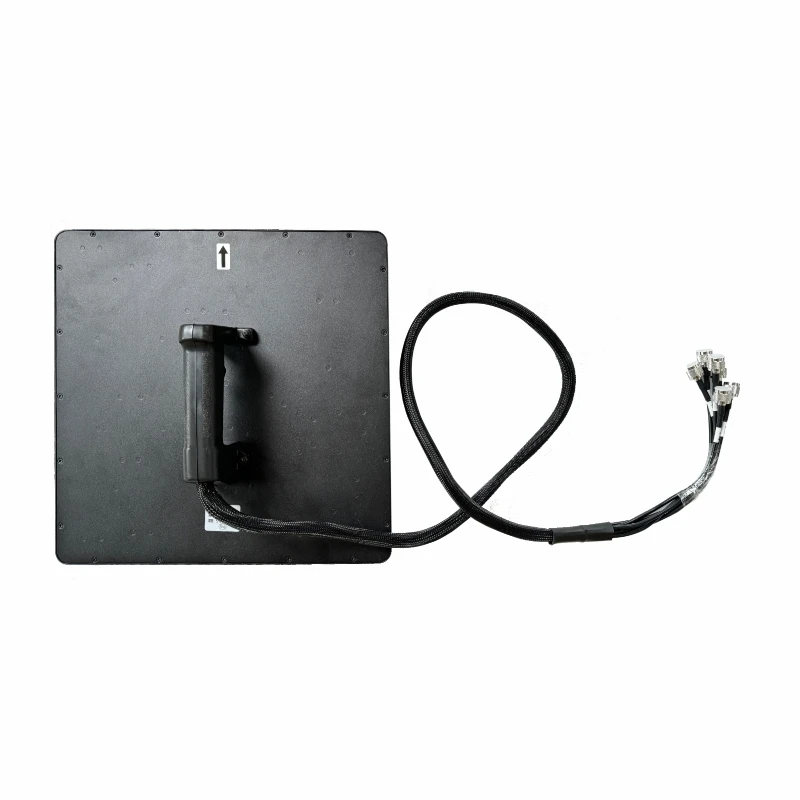
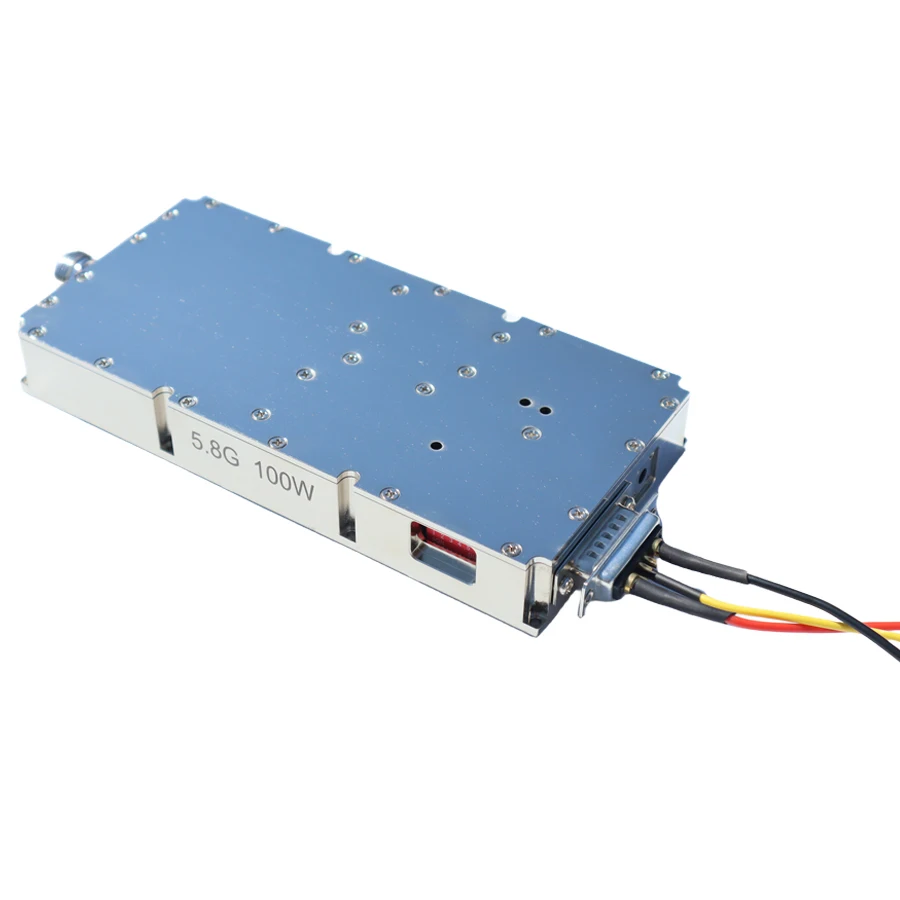
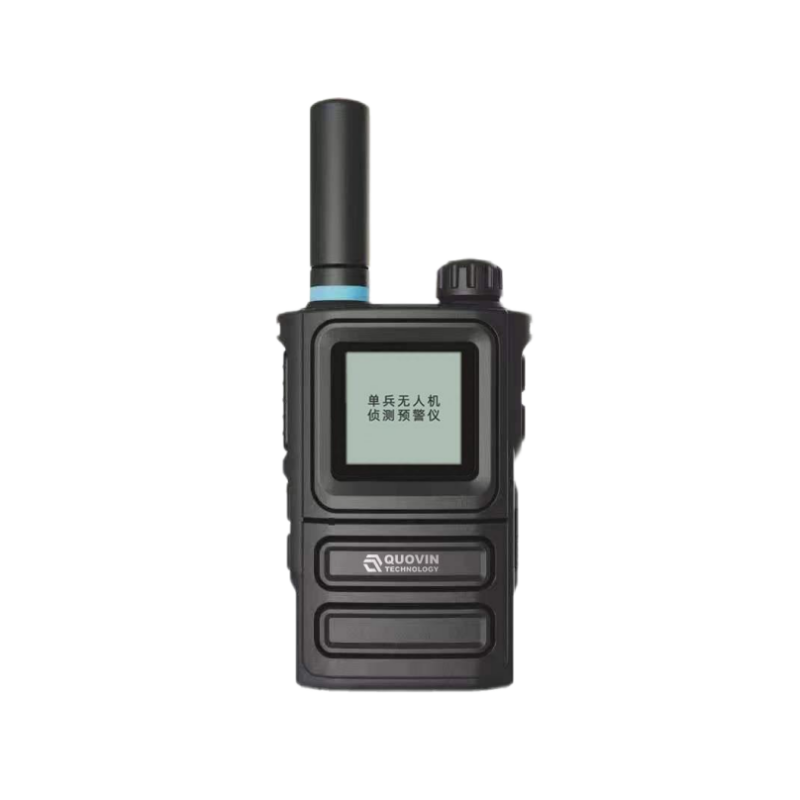
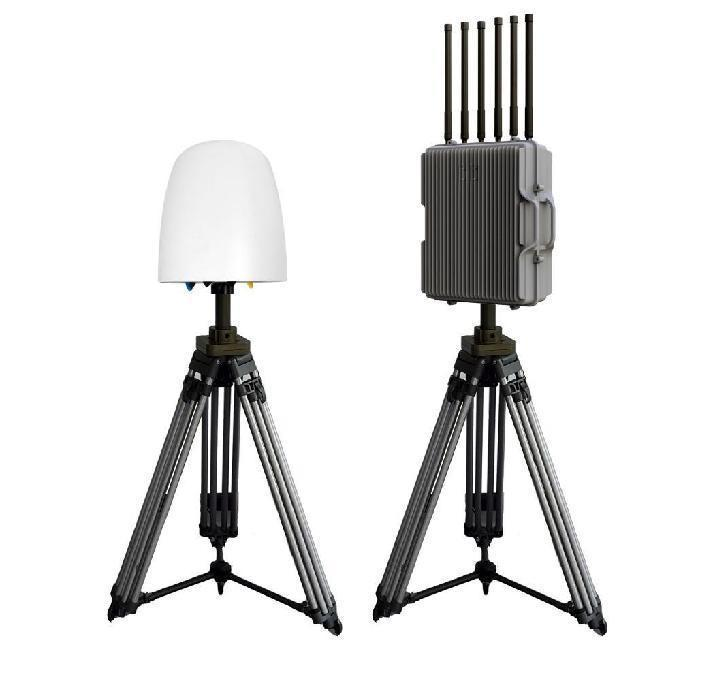
High-Performance Dipole Directional Antenna: Advanced Signal Focus for Professional Communications

All Categories

Get a Free Quote

Our representative will contact you soon.
Email
Name
Company Name
Message
0/1000

dipole directional antenna

A dipole directional antenna is a sophisticated radio frequency device that consists of two identical conductive elements arranged in a linear configuration. This antenna type excels in transmitting and receiving electromagnetic signals in a specific direction, making it highly efficient for targeted communications. The fundamental design comprises two symmetrical conductors of equal length, typically measuring a quarter-wavelength each, positioned end-to-end with a small gap at the center for feed point connection. What sets the dipole directional antenna apart is its ability to concentrate radio signals in a particular direction, resulting in increased gain and improved signal strength in the desired coverage area. The antenna's radiation pattern exhibits a figure-eight shape when viewed from above, with maximum radiation perpendicular to the antenna's axis and minimal radiation off the ends. This directional characteristic makes it particularly valuable in point-to-point communications, broadcasting applications, and wireless networking scenarios where focused signal transmission is essential. The antenna's design allows for various frequency ranges, and its robust construction ensures reliable performance in diverse environmental conditions.
New Products

The dipole directional antenna offers several compelling advantages that make it a preferred choice for various wireless communication applications. First and foremost, its directional properties enable focused signal transmission, resulting in superior gain and enhanced signal strength in the intended direction. This focused approach significantly reduces interference from unwanted sources and improves overall communication quality. The antenna's simple yet effective design contributes to its reliability and ease of maintenance, making it a cost-effective solution for long-term deployment. Another significant advantage is its versatility in frequency adaptation, allowing users to optimize the antenna for specific frequency ranges by adjusting the element lengths. The antenna's efficient power handling capabilities ensure minimal signal loss, leading to improved communication range and clarity. Its relatively compact size compared to other directional antennas makes it suitable for various installation scenarios, from residential rooftops to commercial communications towers. The dipole directional antenna's inherent impedance characteristics make it easily matchable to standard transmission lines, simplifying system integration. Additionally, its robust construction withstands various weather conditions, ensuring consistent performance throughout its operational lifetime. The antenna's predictable radiation pattern assists in network planning and optimization, while its passive nature eliminates the need for external power sources, reducing operational costs and complexity.

Practical Tips

How to connect the drone protection module to the power source

17

Jul

How to connect the drone protection module to the power source

View More
What Are the Main Functions of a Wireless Communication Jammer?

06

Aug

What Are the Main Functions of a Wireless Communication Jammer?

View More
How Does a Drone Jammer Gun Disable UAVs in Seconds?

06

Aug

How Does a Drone Jammer Gun Disable UAVs in Seconds?

View More
What Are the Key Features of a Reliable Drone Jammer?

06

Aug

What Are the Key Features of a Reliable Drone Jammer?

View More

Get a Free Quote

Our representative will contact you soon.
Email
Name
Company Name
Message
0/1000

dipole directional antenna

Enhanced Signal Directionality and Gain

Enhanced Signal Directionality and Gain

The dipole directional antenna's primary strength lies in its ability to focus radio frequency energy in a specific direction, achieving superior gain compared to omnidirectional alternatives. This focused transmission pattern results in more efficient use of transmitted power and improved signal reception at the intended location. The antenna's design creates a well-defined main lobe that concentrates the majority of the radiated energy in the desired direction, while suppressing side lobes that could cause interference. This directional characteristic is particularly valuable in scenarios where precise signal targeting is essential, such as point-to-point links or sector coverage in wireless networks. The enhanced gain also translates to extended communication range and improved signal quality, making it possible to establish reliable connections over greater distances with less transmitted power.
Frequency Adaptability and Bandwidth Performance

Frequency Adaptability and Bandwidth Performance

One of the most remarkable features of the dipole directional antenna is its inherent frequency adaptability and excellent bandwidth characteristics. The antenna's fundamental design allows for easy adjustment of its resonant frequency by modifying the length of its elements, making it suitable for various frequency bands and applications. This adaptability extends to its bandwidth performance, where careful design considerations can achieve broader frequency coverage while maintaining optimal radiation characteristics. The antenna's impedance characteristics remain relatively stable across its operating bandwidth, ensuring consistent performance and minimizing the need for frequent retuning or adjustment. This bandwidth stability is particularly valuable in applications requiring simultaneous operation across multiple frequencies or in systems where frequency agility is essential.
Durability and Environmental Resilience

Durability and Environmental Resilience

The dipole directional antenna's construction emphasizes durability and long-term reliability in challenging environmental conditions. The simple mechanical structure, typically featuring robust metallic elements and high-quality insulators, ensures excellent resistance to wind, rain, snow, and UV radiation. The antenna's design minimizes the number of potential failure points, contributing to its exceptional longevity and reduced maintenance requirements. The materials used in construction are carefully selected to prevent corrosion and maintain structural integrity over extended periods, even in coastal or industrial environments. This environmental resilience makes the antenna particularly suitable for permanent outdoor installations where reliability and minimal maintenance are crucial considerations. The antenna's passive nature, requiring no active components or power supply, further enhances its reliability by eliminating potential points of failure associated with powered elements.

Get a Free Quote

Our representative will contact you soon.
Email
Name
Company Name
Message
0/1000