High-Performance Directional Antennas: Advanced Signal Focus Technology for Enhanced Communication

All Categories

Get a Free Quote

Our representative will contact you soon.
Email
Name
Company Name
Message
0/1000

directional antenna types

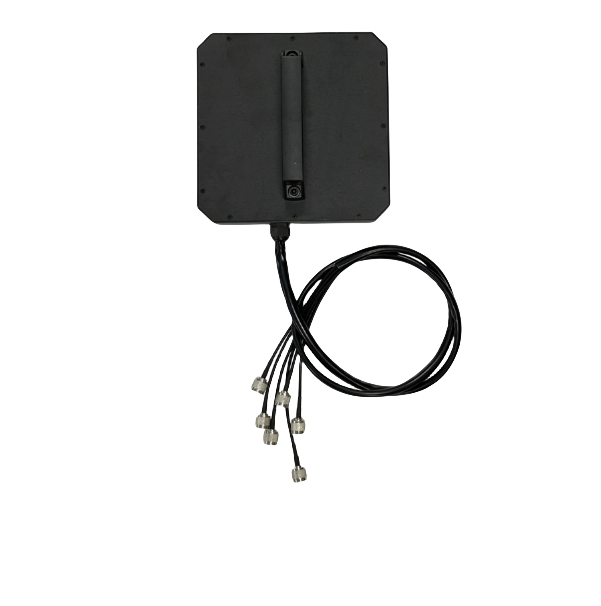
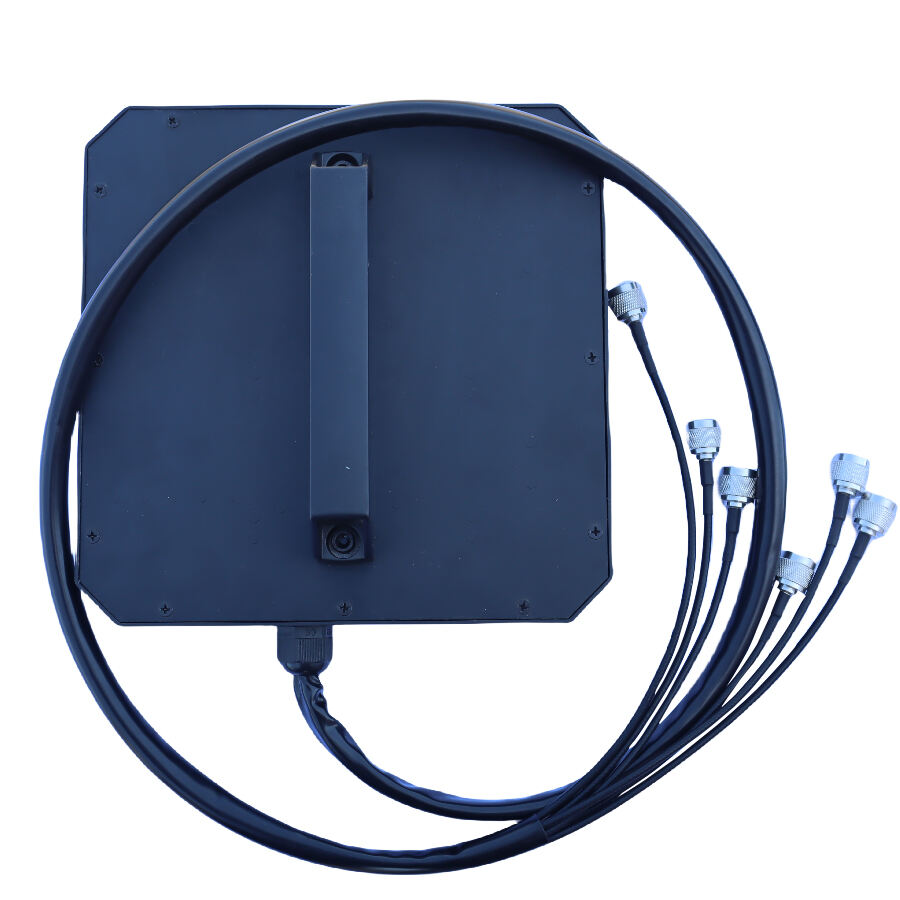
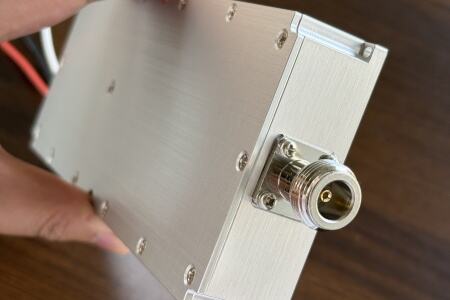
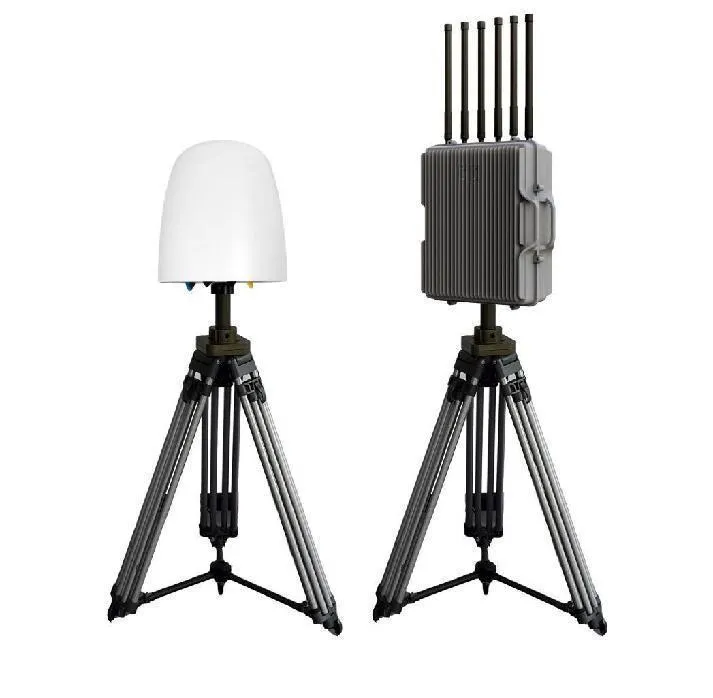
Directional antennas are sophisticated communication devices engineered to focus radio frequency signals in specific directions, offering enhanced performance compared to omnidirectional antennas. These specialized antennas concentrate electromagnetic energy in particular directions, maximizing signal strength and coverage in desired areas while minimizing interference in others. The main types include Yagi-Uda antennas, popular in television reception and point-to-point communications; panel antennas, commonly used in cellular networks and WiFi applications; horn antennas, essential in microwave communications and radar systems; and parabolic dish antennas, crucial for satellite communications and long-distance radio links. Each type features unique design elements that determine its radiation pattern, gain, and bandwidth capabilities. These antennas typically incorporate elements such as reflectors, directors, and driven elements, working in harmony to achieve optimal directional performance. The technology behind directional antennas continues to evolve, with modern designs incorporating advanced materials and precise engineering to achieve higher gains, better front-to-back ratios, and improved frequency responses. Their applications span across numerous sectors, from telecommunications and broadcasting to military communications and weather radar systems.
New Products

Directional antennas offer numerous compelling advantages that make them indispensable in modern communications systems. First, they provide significantly increased signal range and strength in the desired direction, allowing for more reliable long-distance communications while using less power than omnidirectional alternatives. This focused transmission pattern results in superior energy efficiency and reduced operating costs. The ability to concentrate signals in specific directions also means less interference with other nearby communication systems, making them ideal for crowded RF environments. Another key benefit is enhanced security, as the focused beam pattern reduces the possibility of signal interception from unintended directions. Users experience improved signal quality and reduced noise levels due to the antenna's ability to reject unwanted signals from other directions. In mobile communications, directional antennas enable better coverage in challenging environments, such as urban areas with many obstacles. Their precise targeting capabilities make them excellent choices for point-to-point links, where maintaining a strong, stable connection is crucial. The high gain characteristics of directional antennas also mean they can achieve the same performance as lower-gain antennas while using less power, contributing to longer battery life in portable applications. Additionally, their focused nature helps minimize multipath interference, resulting in clearer signals and higher data throughput rates.

Latest News

How to connect the drone protection module to the power source

17

Jul

How to connect the drone protection module to the power source

View More
What Are the Main Functions of a Wireless Communication Jammer?

06

Aug

What Are the Main Functions of a Wireless Communication Jammer?

View More
How Does a Drone Jammer Gun Disable UAVs in Seconds?

06

Aug

How Does a Drone Jammer Gun Disable UAVs in Seconds?

View More
What Are the Key Features of a Reliable Drone Jammer?

06

Aug

What Are the Key Features of a Reliable Drone Jammer?

View More

Get a Free Quote

Our representative will contact you soon.
Email
Name
Company Name
Message
0/1000

directional antenna types

Superior Signal Strength and Range

Superior Signal Strength and Range

Directional antennas excel in delivering exceptional signal strength and extended range capabilities through their focused beam patterns. Unlike omnidirectional antennas that disperse energy in all directions, directional antennas concentrate their power in a specific direction, resulting in significantly higher gain values. This concentration of energy can achieve up to 100 times more effective radiated power in the intended direction compared to omnidirectional alternatives. The enhanced signal strength translates directly into improved communication reliability, particularly in challenging environments where signal obstacles are present. This focused approach also means that users can establish stable connections over much greater distances, making directional antennas ideal for long-range applications where maintaining signal integrity is crucial. The increased range and signal strength also contribute to higher data rates and more reliable connections, essential in modern high-bandwidth applications.
Interference Reduction Technology

Interference Reduction Technology

The sophisticated interference reduction capabilities of directional antennas represent a crucial advancement in wireless communication technology. By focusing signals in specific directions and rejecting unwanted signals from other angles, these antennas significantly minimize interference from competing RF sources. This selective reception pattern is particularly valuable in dense urban environments where multiple RF signals compete for space. The technology employs advanced filtering mechanisms and precise element positioning to achieve optimal signal-to-noise ratios. Users benefit from clearer communications, reduced data errors, and more stable connections, even in challenging RF environments. The ability to reject unwanted signals also contributes to improved network security, as it reduces the possibility of signal interception or interference from unauthorized sources. This feature is especially valuable in sensitive communications applications where maintaining signal integrity and security is paramount.
Versatile Application Integration

Versatile Application Integration

Directional antennas demonstrate remarkable versatility in their application integration capabilities, adapting to diverse communication needs across multiple sectors. Their adaptable nature allows for seamless integration into various systems, from small-scale WiFi networks to large-scale telecommunications infrastructure. The flexibility in mounting options and adjustable radiation patterns enables customization for specific deployment scenarios. This adaptability extends to frequency ranges, power levels, and physical configurations, making them suitable for both fixed and mobile applications. The integration capabilities are further enhanced by modern design features that allow for easy alignment and optimization in the field. This versatility makes directional antennas valuable assets in evolving communication networks, where adaptation to changing requirements is essential. Their ability to work effectively in different environmental conditions and their compatibility with various communication protocols adds to their universal appeal.

Get a Free Quote

Our representative will contact you soon.
Email
Name
Company Name
Message
0/1000