

Урбана околина представља јединствен изазов за професионалце из области безбедности и менаџере објеката који морају заштитити осетљиве области од неовлашћених активности дронова. Све већа распрострањеност комерцијалних дронова у градовима створила је нове рањивости које захтевају софистициране контрамерке. Разумевање како је беспилотник блокер сигнала за све ове функције у сложеним урбаним срединама потребно је испитати интеракцију између ширења сигнала, густине зграде и електронских интерференцијских обрасца који карактеришу метрополитанска подручја.
Ефикасност технологије против дронова у урбаним подручјима зависи од више техничких фактора који се значајно разликују од примена на селу или на отвореном пољу. Одражавање сигнала из зграда, мешање постојеће бежичне инфраструктуре и потреба за прецизним циљањем чине забрањење градских дронова сложеним инжењерским изазовом. Савремени безбедносни системи морају да узимају у обзир ове променљиве, истовремено одржавајући оперативну поузданост и минимизирајући прекиде легитимних бежичних комуникација.
Градски канјони створени високим зградама генеришу сложене обрасце ширења сигнала који утичу на функционисање блокера сигнала дронова. Радио таласи одскачу од бетонских површина, стаклених фасада и металних конструкција, стварајући вишеструке сигналне путеве који могу повећати или смањити ефикасност мешања. Ови одразни ефекти могу изазвати нуле сигнала на одређеним локацијама, док стварају неочекиване зоне покривености у другим, што захтева пажљиво планирање система и стратегије распореде.
Феномен расејавања сигнала у густим урбаним подручјима значи да традиционални рачунари линије вида постају неадекватни за предвиђање перформанси система. Створитни материјали, архитектонске карактеристике и чак и временски услови утичу на то како се сигнали о мешању шире кроз урбано окружење. Напређени софтвер за моделирање и тестерање на терену постају неопходни алати за оптимизацију постављања блокера сигнала дронова и нивоа снаге.
Метрополитанске области садрже густе концентрације бежичних уређаја који раде на више фреквенцијских опсега, стварајући изазовно електромагнетско окружење за системе против дронова. Блокатор сигнала дрона мора ефикасно да ради, избегавајући мешање у ћелијске мреже, ВИФИ системе, комуникације у случају хитне ситуације и другу критичну инфраструктуру. Ово захтева софистициране способности филтрирања и управљања фреквенцијом које можда нису неопходне у мање преоптерећеним окружењима.
Градски радио-фреквентни спектар личи на препуни аутопут у којем се вишеструки системи такмиче за исте ресурсе. Технологија против беспилотних летелица мора да се носи са овим препреком, а истовремено одржава ефикасност против комуникација са беспилотним летелицама. Напредни системи користе интелигентно прескакање фреквенције и адаптивну контролу снаге како би се минимизирале колатералне интерференције док се максимизира ефикасност задесавања против неовлашћених дронова.
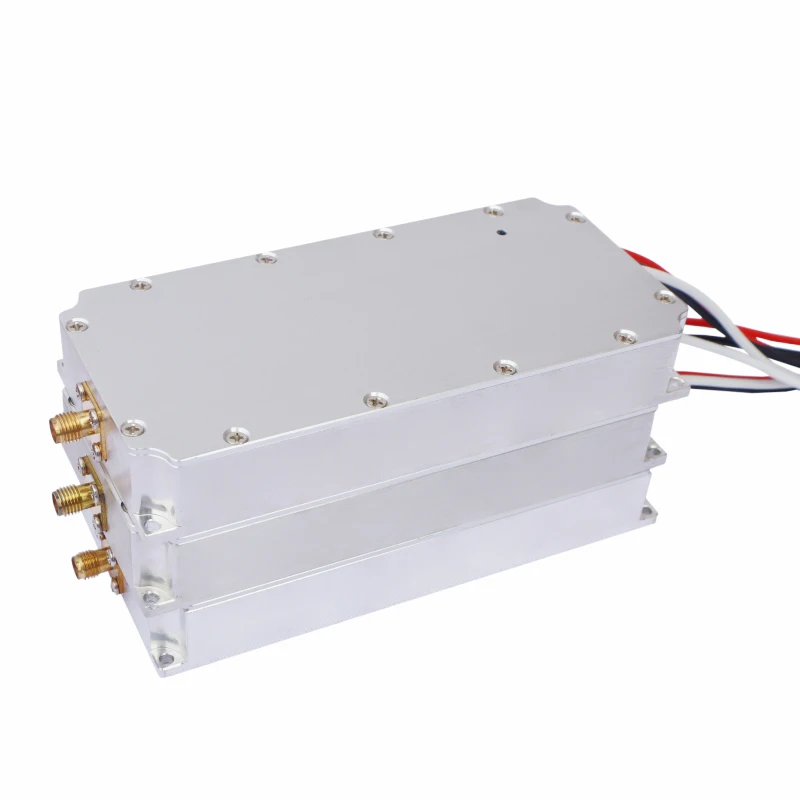
У урбаној средини, распоређивање блокатора сигнала дронова захтева пажљиво израчунавање захтјева за енергијом на основу густине зграде, циљних подручја покривености и локалних прописа. Могуће је да су потребни већи нивои снаге за превазилажење атенвације сигнала узроковане зградама и другим препрекама, али прекомерна снага може створити нежељене интерференције са легитимним системима. Оптимално решење укључује балансирање захтева за покривеношћу са регулаторном усаглашеношћу и оперативном ефикасности.
Рачуни густине енергије морају да узму у обзир тродимензионалну природу урбаних претњи, где се дронови могу приближити са различитих надморских висина и правца. За разлику од претњи на земљи која прати предвидиве стазе, ваздушна возила могу искористити вертикалне просторе између зграда или приступити из неочекиваних угла. Ово захтева омнидирецсионал или управља антена системи који могу да обезбеде свеобухватну покривеност преко више углова надморске висине.
Модерни системи против дронова укључују интелигентне функције управљања енергијом које прилагођавају нивои излаза на основу откривених карактеристика претње и услова околине. Ови системи могу повећати снагу када се ангажују удаљене циљеве док смањују излаз за блиске дронове, оптимизују енергетску ефикасност и минимизују интерференције са другим системима. Такве адаптивне способности се посебно могу показати у урбаним срединама где се удаљености од претњи и нивои интерференције значајно разликују у целој области покривености.
Автоматизовани алгоритми за контролу снаге анализирају мерења јачине сигнала у реалном времену и факторе животне средине како би оптимизовали блокери сигнала дронова перформансе. Ови системи могу да реагују на промене услова у року од милисекунде, обезбеђујући доследну заштиту док се прилагођавају динамичној природи урбаног електромагнетног окружења. Интеграција са системима за детекцију претњи омогућава координиране одговоре који максимизују ефикасност док минимизирају потрошњу системских ресурса.
Ефикасне урбане операције против дронова захтевају интеграцију система за детекцију и опреме за мешање како би се осигурала тачна идентификација претње пре ангажовања. Мулти-сензорске платформе комбинују радар, радио фреквенцијске анализаторе и оптичке системе како би се разликовала овлашћена и неовлашћена активност дронова. Овај свеобухватан приступ смањује лажно позитивне резултате, истовремено осигуравајући да блокатор сигнала дрона напада само легитимне циљеве.
Сложност урбаног ваздушног простора захтева сложене алгоритме класификације који могу да разликују дронове, птице, авионе и друге летеће објекте. Системи машинског учења обучени на урбаним обрасцима летења побољшавају тачност током времена, смањујући вероватноћу ухваћења не-загрожних мета. Интеграција са системима контроле ваздушног саобраћаја и овлашћеним базама података о дроновима додатно побољшава интелигенцију система и оперативну ефикасност.
Урбани безбедносни системи морају брзо обрађивати информације о претњи како би омогућили благовремено реаговање, док се минимизирају поремећаји у нормалним операцијама. Напређени алгоритми за процену претњи процењују обрасце понашања дронова, трајекторије летења и комуникационе сигнатуре како би се утврдиле одговарајуће контрамере. Ова анализа информише одлуке о активирању блокатора сигнала дронова и помаже обезбеђивању да разуме природу и озбиљност откривених претњи.
Автоматизовани системи за оцењивање претњи додељују ниво ризика на основу више фактора, укључујући способности дронова, близини осетљивих подручја и карактеристике понашања лета. Ови резултати покрећу одговарајуће протоколе за реаговање док оператери безбедности добијају информације о ситуацији. Интеграција са ширим системима управљања сигурношћу омогућава координиране одговоре који укључују вишеструке технологије контрамер и људске операторе.
Уколико је потребно, уколико је потребно, уколико је могуће, уколико је могуће, уколико је могуће, уколико је могуће, уколико је могуће, уколико је могуће, уколико је могуће, уколико је могуће, уколико је могуће, уколико је могуће, уколико је могуће, уколико је могуће, уколико је могуће. Многе јурисдикције ограничавају или забрањују уређаје за мешање због потенцијалних мешања у критичне комуникационе системе. Специјалисти за безбедност морају разумети локалне прописе и радити са одговарајућим агенцијама како би добили неопходне овлашћења за операције против дронова.
Координација спектра постаје посебно сложена у урбаним подручјима где више агенција и организација управљају бежичним системима у близини. Војне инсталације, аеродроми, болнице и хитне службе сви се ослањају на радио комуникације које би могле бити погођене против-дрон операцијама. Свеобухватна координација фреквенције осигурава да распоређивање блокатора сигнала дронова не угрожава ове основне услуге.
Законско функционисање антитероних система захтева детаљне протоколе који регулишу активирање система, ангажовање циљева и документацију инцидента. Ове процедуре обезбеђују усклађеност са важећим законодавством, а истовремено одржавају оперативну ефикасност. Редовни програми обуке и сертификације помажу оператерима да разумеју своје одговорности и правне импликације активности против дронова.
Захтеви за документацијом често укључују детаљне дневнике активирања система, карактеристике циљева и исходе ангажовања. Ови подаци подржавају анализу након инцидента и регулаторно извештавање, док пружају доказе о усаглашеној операцији. Автоматизовани системи за снимање могу да сахвате техничке параметре и одлуке оператера, стварајући свеобухватне записи који задовољавају правне и оперативне захтеве.
Урбани системи против дронова имају користи од модуларне архитектуре која омогућава прилагођавање на основу специфичних захтева локације и профила претњи. Модуларни дизајн блокера сигнала дронова омогућава организацијама да се прошире способности у складу са буџетским ограничењима и оперативним потребама. Ова флексибилност се посебно показује вредном у урбаним окружењима где се услови распоређивања значајно разликују између локација.
Модуларност компоненти такође олакшава одржавање и надоградњу, омогућавајући организацијама да побољшају способности система током времена без потпуне замене. Стандардизовани интерфејс омогућава интеграцију нових технологија када постану доступне, обезбеђујући дугорочну одрживост система. Овај приступ се показује посебно трошковно ефикасним за велике урбане распореде који укључују више локација са различитим захтевима.
Модерне урбане безбедносне архитектуре интегришу више против-дрон система кроз централизоване командне и контролне мреже. Ови системи омогућавају координиране одговоре на више локација, а оператерима обезбеђују свеобухватну ситуативну свест. Интеграција мреже омогућава једном блокатору сигнала дронова да користи информације о претњи које су прикупљени сензорима који се налазе широм урбаног подручја.
Централизовани системи управљања рационализују обуку оператера и смањују потребе за особљем, истовремено побољшавајући координацију одговора. Напређене платформе пружају графичке интерфејсе који приказују статус система у реалном времену, локације претњи и зоне ангажмана. Интеграција са постојећим системима управљања безбедношћу користи тренутне инвестиције у инфраструктуру док додаје способности против дрона свеобухватним безбедносним програмима.
Мерење ефикасности блокатора сигнала дронова у урбаном окружењу захтева свеобухватне метрике које узимају у обзир перформансе система, оперативни утицај и задовољство корисника. Техничке метрике укључују распон детекције, стопу успеха у ангажовању и фалсифке фреквенције аларма. Оперативне метрике испитују доступност система, времена одговора и ефикасност интеграције са ширим безбедносним програмима.
Системи за мерење перформанси прате ефикасност блокатора сигнала дронова у односу на различите врсте претњи и оперативне услове. Ови подаци подржавају напоре за континуирано побољшање и помажу организацијама да оптимизују конфигурације система за своје специфичне урбане окружења. Редовни преглед перформанси идентификује трендове и потенцијалне проблеме пре него што утичу на оперативну ефикасност.
Инвестиције у урбану безбедност захтевају пажљиву анализу трошкова и користи која узима у обзир и директне трошкове система и шире оперативне утицаје. Системи против дронова стварају вредност кроз смањење ризика, побољшање оперативне ефикасности и предности у складу са регулаторним прописима. Свеобухватна анализа укључује почетне трошкове набавке, текуће трошкове одржавања и потенцијално смањење одговорности.
Рачуни повратака инвестиција морају узети у обзир јединствене карактеристике урбаног окружења претње и потенцијалне последице кршења безбедности. Осигурање, трошкови усаглашености са регулативама и заштита репутације доприносе укупној вредности коришћења блокатора сигнала дронова. Ови фактори често оправдавају веће почетне инвестиције у софистициране урбане способности за борбу против беспилотних летелица.
Тешкоћа зграде значајно утиче на перформансе система против дрона кроз рефлексију сигнала, атенуацију и ефекте ширења више пута. Гъста урбана подручја стварају сложена електромагнетна окружења у којима се сигнали одбијају од структура, стварајући празнине у покривању и неочекиване обрасце интерференције. Системи морају бити дизајнирани са већим нивоима снаге и софистицираним антенним обрасцима како би се превазишли ови изазови, избегавајући мешање у легитимне комуникационе системе.
Урбани системи против дронова обично циљају уобичајене фреквенције контроле дронова, укључујући 2,4 ГГц, 5,8 ГГц и ГПС опсеге око 1,5 ГГц. Неки системи такође обрачунавају нове фреквенције које користе напредни комерцијални дронови и специјализоване апликације. Избор циљаних фреквенција мора балансирати ефикасност против потенцијалних интерференција са ВИФАИ-ом, ћелијским и другим бежичним системима у урбаним окружењима.
Напређени системи се интегришу са технологијама детекције и класификације које могу да идентификују типове дронова и потенцијално разликују овлашћени и неовлашћени авиони. Међутим, већина система за ометање утиче на све дронове у њиховом подручју покривености без обзира на статус овлашћења. Свеобухватна решења против дронова комбинују способности селективног учешћа са координационим протоколима како би се минимизирали утицаји на легитимне операције дронова.
Правни захтеви се значајно разликују према јурисдикцији, али већина земаља ограничава или забрањује рад блокатора сигнала дронова због потенцијалног мешања у критичне комуникације. Организацијама су обично потребне посебне овлашћења од телекомуникационих регулатора и координација са ваздухопловним властима. Многе јурисдикције ограничавају операције против дронова на владине агенције или посебно овлашћене пружаоце безбедности који раде под строгим регулаторним надзором.
Шенжен Лонгјуан технологија пружа интелигентне системе против дронова за аеродроме, стадионе и критичну инфраструктуру. Реално време РФ детекције, праћења и мешања са антенама са високим добитком и прилагођеним решењима. Верују ми глобалне безбедносне екипе.
Зграда А, индустријски парк Каишангде, број 1 улица Сингхуа, подокруг Пинди, округ Лонгганг, град Шенжен
Ауторско право © 2026 Шенжен Лонгјуан Технологија Цо, Лтд. Сва права су задржана. Политике приватности
 EN
EN


 Топла вест