
Unauthorized drone activities have become a significant security concern across various sectors, prompting organizations and security professionals to seek effective countermeasures. A drone signal jammer represents one of the most reliable and immediate solutions for neutralizing unwanted unmanned aerial vehicles in sensitive areas. These sophisticated devices work by disrupting the communication links between drones and their operators, forcing unauthorized UAVs to either land safely or return to their point of origin. Understanding the critical applications and operational benefits of drone signal jammers is essential for security professionals tasked with protecting restricted airspace and sensitive facilities.
A drone signal jammer operates by transmitting radio frequency signals that interfere with the communication channels between a drone and its remote controller. These devices target specific frequency bands commonly used by commercial and consumer drones, including 2.4GHz, 5.8GHz, and GPS frequencies. When activated, the jammer creates electromagnetic interference that prevents the drone from receiving commands from its operator or maintaining its GPS positioning system. This disruption typically forces the drone to engage its failsafe protocols, which may include automatic landing, hovering in place, or returning to its takeoff location.
The effectiveness of a drone signal jammer depends on several technical factors, including transmission power, frequency coverage, and directional capabilities. Advanced models can selectively target multiple frequency bands simultaneously while maintaining precise directional control to minimize interference with other electronic systems. These sophisticated features allow security personnel to neutralize specific drone threats without disrupting legitimate communications or navigation systems in the surrounding area. Modern jamming devices also incorporate automatic threat detection capabilities that can identify and respond to drone signatures within their operational range.
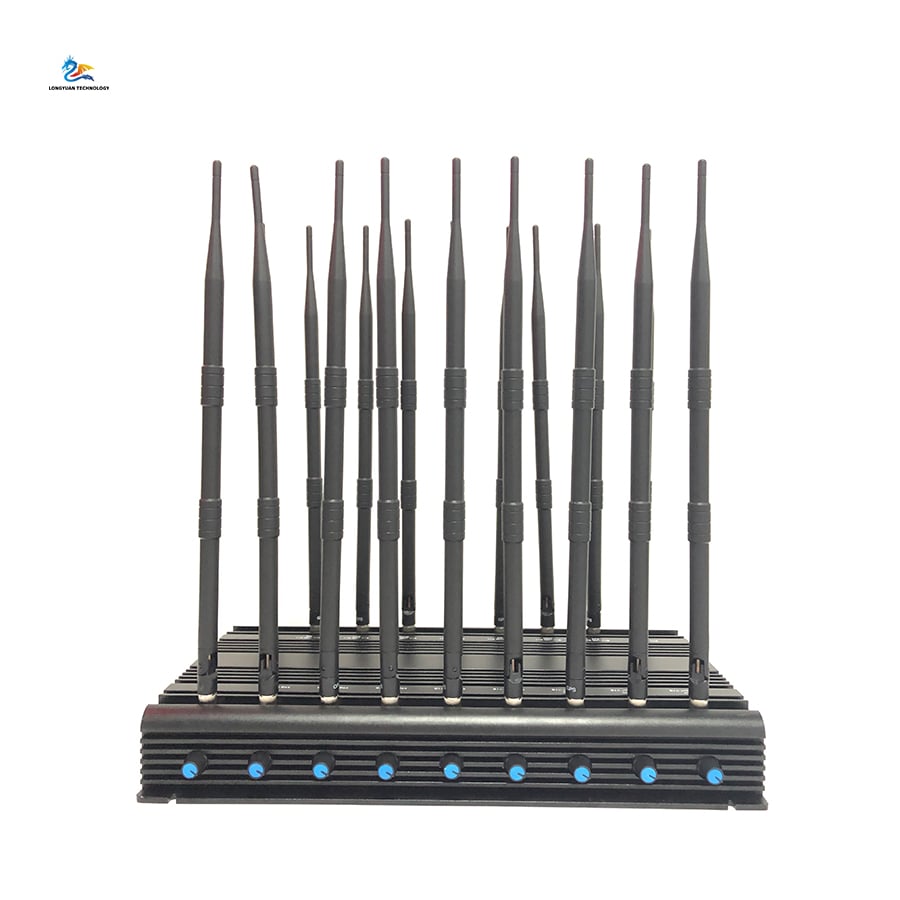
Drone signal jammers are available in various configurations designed for different operational requirements and environments. Handheld portable units offer immediate response capabilities for security teams, providing directional jamming coverage within a limited range. These compact devices are ideal for personal protection, event security, and situations requiring rapid deployment against individual drone threats. Vehicle-mounted systems extend operational range and power output, making them suitable for perimeter security and mobile patrol applications where broader coverage areas are necessary.
Fixed installation jammers represent the most powerful category, designed for permanent deployment at critical infrastructure sites, government facilities, and high-security areas. These systems often integrate with existing security networks and can provide continuous monitoring and automatic threat response capabilities. Some advanced models incorporate intelligent beam-forming technology that can track multiple targets simultaneously while maintaining selective jamming patterns. The choice of jamming equipment depends on factors such as coverage area requirements, power limitations, portability needs, and integration capabilities with existing security infrastructure.
Protecting critical infrastructure from drone threats has become a primary application for signal jamming technology across multiple industries. Power plants, water treatment facilities, oil refineries, and telecommunications centers face increasing risks from unauthorized drone surveillance and potential sabotage attempts. A drone signal jammer provides these facilities with immediate defensive capabilities, creating protective zones that prevent unauthorized UAVs from approaching sensitive equipment or gathering intelligence about operational procedures. The ability to maintain continuous airspace security without requiring constant human monitoring makes jamming systems particularly valuable for 24/7 industrial operations.
Transportation hubs, including airports, seaports, and major highway systems, require specialized drone countermeasures to maintain operational safety and security. Unauthorized drones near airport runways pose severe risks to aircraft operations, while surveillance drones can compromise security protocols at sensitive transportation facilities. Strategic deployment of jamming equipment creates layered defense systems that can detect and neutralize drone threats before they reach critical operational areas. These systems often integrate with existing air traffic control and security monitoring networks to provide comprehensive threat awareness and response capabilities.
Large public events, political gatherings, and sporting venues increasingly rely on drone signal jammers to maintain security and privacy for attendees and participants. Unauthorized drones at these events can pose safety risks, privacy violations, and potential security threats that require immediate response capabilities. Security teams deploy portable jamming equipment to create protected zones around venues, ensuring that unauthorized surveillance or disruptive drone activities cannot compromise event safety or participant privacy. The ability to selectively target drone communications while maintaining normal cellular and radio communications is crucial for effective event security operations.
Law enforcement agencies utilize drone signal jammers for various operational scenarios, including crowd control, suspect surveillance, and tactical operations where unauthorized drone presence could compromise officer safety or operational security. These applications require equipment that can rapidly deploy and provide immediate threat neutralization without affecting legitimate emergency communications or public safety systems. Advanced jamming systems designed for law enforcement applications often include features such as evidence recording, GPS tracking of neutralized drones, and integration with command and control systems for coordinated response operations.
The primary advantage of using a drone signal jammer lies in its ability to provide immediate response to unauthorized drone threats without requiring physical interception or kinetic countermeasures. Unlike other anti-drone technologies that may require tracking, targeting, and engagement sequences, signal jamming can neutralize threats within seconds of activation. This rapid response capability is crucial in scenarios where unauthorized drones pose immediate safety risks or when time-sensitive security breaches are occurring. The non-destructive nature of signal jamming also means that neutralized drones can be recovered and analyzed for intelligence purposes without damage to the aircraft or its payload.
Signal jamming provides a scalable solution that can address multiple drone threats simultaneously across varying operational ranges. Advanced systems can maintain continuous protective coverage while automatically adjusting power levels and frequency targeting based on detected threat characteristics. This adaptive capability ensures optimal effectiveness against different drone types and configurations while minimizing unnecessary interference with legitimate electronic systems. The ability to maintain persistent defense without depleting ammunition or requiring reloading makes jamming systems particularly valuable for extended security operations.
Implementing drone signal jammers often provides more cost-effective security solutions compared to alternative countermeasure technologies such as interceptor drones, kinetic weapons, or comprehensive radar tracking systems. The operational costs of jamming equipment primarily involve initial purchase, installation, and periodic maintenance, without requiring expensive consumable ammunition or replacement components for each threat engagement. This economic advantage makes jamming technology accessible to a broader range of organizations and security applications where budget constraints might otherwise limit anti-drone capabilities.
The versatility of modern jamming systems allows single platforms to address multiple security scenarios and threat types, maximizing return on security investments. Equipment designed with modular capabilities can adapt to changing threat environments and operational requirements without requiring complete system replacement. Long-term operational savings result from reduced personnel requirements for active drone monitoring and the elimination of costs associated with recovering from successful drone intrusions or security breaches.
Successful deployment of drone signal jammers requires careful consideration of frequency management to avoid interference with legitimate communications and navigation systems. Professional-grade jammers incorporate selective frequency targeting capabilities that can distinguish between drone control signals and authorized radio communications. This selectivity is achieved through advanced signal processing algorithms that can identify specific drone communication protocols while leaving other radio frequency users unaffected. Proper frequency coordination with local radio authorities and communication system operators is essential for legal and effective jammer deployment.
Environmental factors significantly impact jamming effectiveness and require careful analysis during system planning and deployment. Urban environments with high radio frequency density may require more sophisticated filtering and directional control to maintain effectiveness without causing widespread interference. Rural or isolated installations may allow for higher power levels and broader frequency coverage but must still consider potential impacts on aviation, maritime, or emergency communication systems. Advanced jammers include environmental monitoring capabilities that can automatically adjust operational parameters based on detected radio frequency conditions.
Modern drone signal jammers are designed to integrate seamlessly with existing security infrastructure, including surveillance cameras, motion sensors, and access control systems. This integration capability allows for automated threat detection and response workflows that can activate jamming systems based on predetermined security protocols. Integration with command and control centers enables remote monitoring and operation of jamming equipment, allowing security personnel to respond to threats from centralized locations while maintaining situational awareness across multiple protected areas.
Advanced integration features include data logging and analysis capabilities that can track jamming activities, threat patterns, and system performance metrics. This information provides valuable intelligence for security planning and helps optimize jamming deployment strategies based on actual threat experiences. Some systems offer integration with artificial intelligence platforms that can learn from previous encounters and automatically adjust response parameters to improve effectiveness against evolving drone technologies and operational tactics.
The deployment and operation of drone signal jammers must comply with specific regulatory requirements that vary by jurisdiction and application. In most countries, signal jamming equipment requires proper authorization from telecommunications authorities due to its potential impact on radio frequency spectrum usage. Government agencies, law enforcement organizations, and critical infrastructure operators may have different authorization processes and operational restrictions compared to commercial users. Understanding and complying with these regulatory requirements is essential for legal operation and avoiding potential penalties or interference with licensed radio services.
International regulations governing drone signal jammers continue to evolve as authorities balance security needs with spectrum management responsibilities. Organizations planning to deploy jamming equipment must work closely with regulatory agencies to ensure compliance with current rules and stay informed about regulatory changes that might affect operational authorization. Professional consultation with regulatory compliance specialists and equipment manufacturers can help navigate the complex approval processes and ensure that installations meet all technical and operational requirements.
Effective drone signal jammer deployment requires comprehensive operational guidelines that address safety protocols, activation procedures, and coordination with other security measures. Personnel training programs must cover technical operation, safety considerations, and legal compliance requirements to ensure proper equipment use and minimize risks of improper deployment. Regular training updates help maintain operational readiness and ensure that security teams understand evolving threats and countermeasure capabilities.
Documentation and reporting procedures are crucial components of professional jammer operations, providing accountability and supporting regulatory compliance requirements. Detailed logs of activation events, threat characteristics, and system performance help demonstrate responsible use and provide valuable data for security analysis and improvement. Coordination protocols with local authorities, emergency services, and communication system operators help ensure that jamming activities do not inadvertently interfere with critical public safety or emergency response operations.
The effective range of a drone signal jammer varies significantly based on the device specifications, environmental conditions, and target drone characteristics. Handheld portable jammers typically provide effective coverage ranges of 100 to 500 meters, while vehicle-mounted systems can extend coverage to 1-2 kilometers. Fixed installation jammers designed for perimeter security can achieve ranges of several kilometers with appropriate power levels and antenna configurations. Environmental factors such as terrain, buildings, and atmospheric conditions can significantly impact actual performance ranges.
Modern drone signal jammers are designed with selective frequency targeting to minimize interference with other electronic devices, but some impact on nearby systems is possible depending on the jamming frequencies and power levels used. Professional-grade equipment incorporates filtering and directional control features that reduce interference with cellular phones, WiFi networks, and other radio frequency devices. However, GPS-based systems in the immediate vicinity may experience temporary disruption when GPS jamming frequencies are activated as part of comprehensive drone countermeasures.
Operating drone signal jammers effectively and safely requires comprehensive training covering technical operation, legal compliance, and safety protocols. Professional training programs address proper activation procedures, frequency management, coordination with other security systems, and regulatory compliance requirements. Advanced systems with complex features may require additional technical training to utilize capabilities such as automated threat detection, selective jamming modes, and integration with command and control networks. Regular refresher training helps maintain operational competency and ensures awareness of evolving threats and countermeasure technologies.
Advanced drone signal jammers can address multiple simultaneous threats through sophisticated signal processing and beam-forming technologies that can track and jam several targets concurrently. Multi-channel systems can allocate different frequency bands and directional patterns to address various drone types and locations simultaneously. Some systems incorporate artificial intelligence algorithms that can prioritize threats based on proximity, flight patterns, and potential risk levels, automatically adjusting jamming parameters to maintain effectiveness against the most critical targets while managing system resources efficiently.

Shenzhen Longyuan Technology provides intelligent counter-drone systems for airports, stadiums & critical infrastructure. Real-time RF detection, tracking, and jamming with high-gain antennas and custom solutions. Trusted by global security teams.
Building A,Kaishangde Industrial Park,No. 1 Xinghua Road, Pingdi Sub-district, Longgang District, Shenzhen City
Copyright © 2026 Shenzhen Longyuan Technology Co., Ltd. All rights reserved. Privacy Policy
 EN
EN


 Hot News