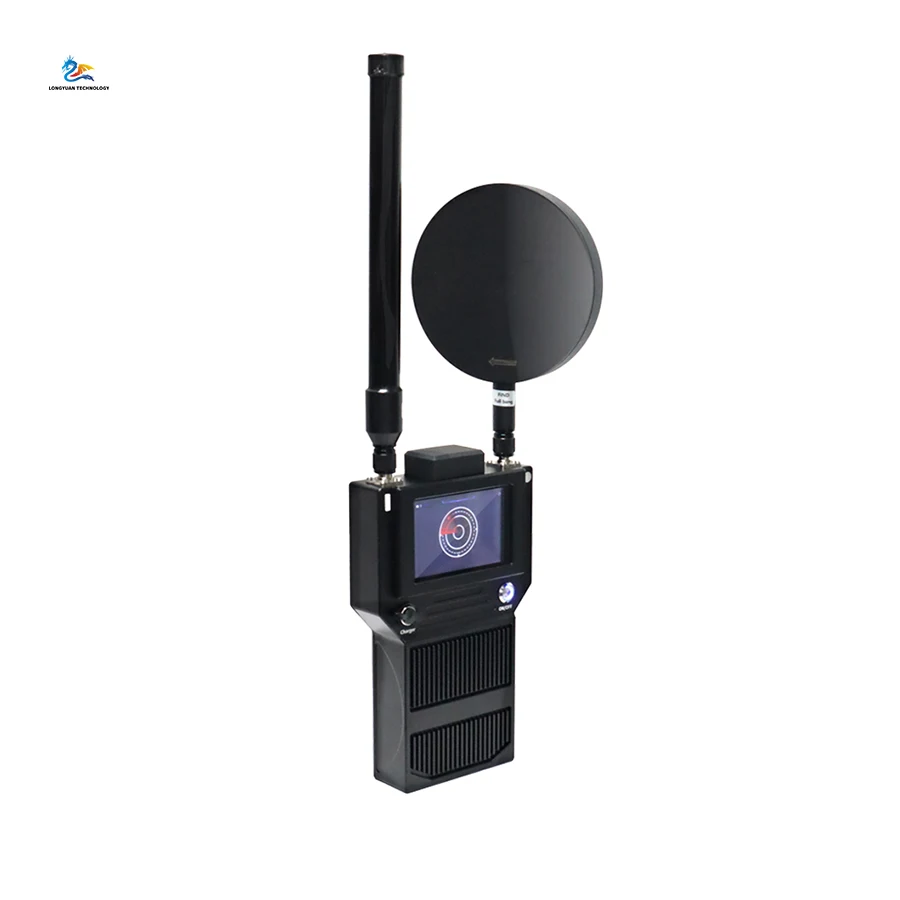
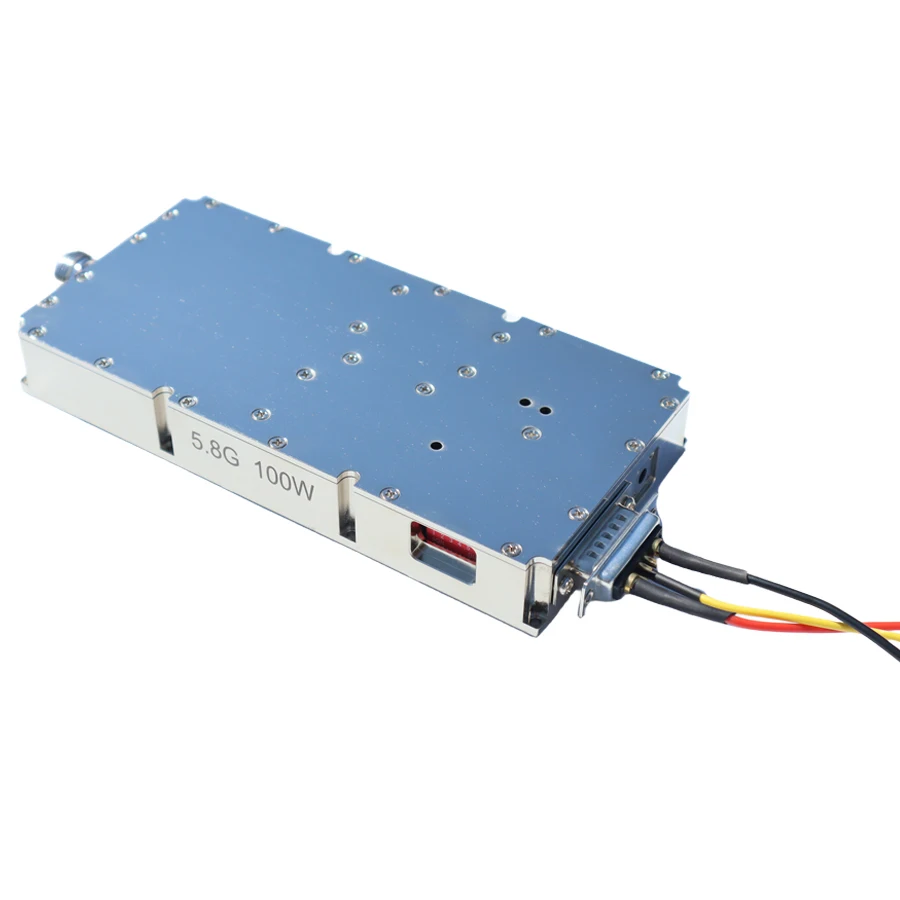
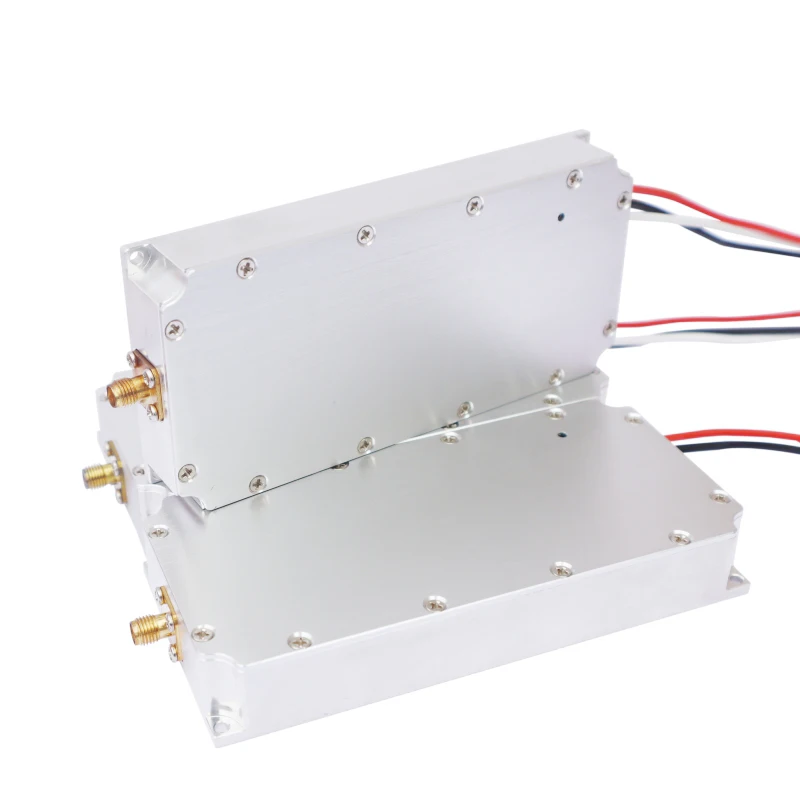
En snabbinsatsgrupps effektivitet beror på hur snabbt den kan distribuera motdronutrustning – vilket gör portabilitet och ergonomisk design obligatoriska. En drönarstörningsryggsäck måste balansera robust skydd med lätt rörlighet: högfasthets, lågviktskompositer (t.ex. förstärkt nylon med kolfiberställning) minskar volymen utan att offra hållbarhet. Polstrade, justerbara axelremmar och en ventilerad, anpassad ryggpanel fördelar tyngden jämnt och minimerar trötthet vid längre transport – avgörande när operatörer måste springa, klättra i trappor eller ta sig fram över ojämn terräng. Kompartement med snabbåtkomst – strategiskt placerade för hämtning med dominant hand – möjliggör distribution av störningsenhet på under fem sekunder under press. Integrerade monteringsräls för fordon och chockabsorberande bäddar säkerställer att systemet förblir säkert under transport, medan flerportig anslutning (USB-C, Ethernet, MIL-STD-1553 som valfritt tillbehör) möjliggör omedelbar integration med befälsoch kontrollplattformar vid ankomst. Dessa funktioner – validerade i fälttester enligt NATO-standard – är inte bekvämligheter utan kraftförstärkare som omvandlar rörlighet till operativ fördel.
Hållbar missionsberedskap beror på två beroende tekniska prioriteringar: batteriets drifttid och dess termiska motståndskraft. Branschstandarder – inklusive de som fastställs av USA:s försvarsdepartement genom dess interoperabilitetsprofil för motdronsystem (Counter-UAS Interoperability Profile, CUAS-IOP) – kräver minst 2,5 timmes kontinuerlig störningsdrift per laddning vid maximal RF-belastning. För att uppnå detta krävs litium-svavel- eller kiselanod-baserade litiumjonbatterier med en energitäthet på 450 Wh/kg, kombinerade med intelligent effekthantering som dynamiskt justerar effektuttaget utifrån hotnivån. Likaså avgörande är den termiska effektiviteten: komponenter måste fungera tillförlitligt inom temperaturintervallet –20 °C till +60 °C – det fullständiga miljöområdet som definieras i MIL-STD-810H. Aktiv kylning via tysta, borstlösa fläktar i kombination med ångkammar för värmeutbredning håller jonkopplingstemperaturerna under 75 °C under kontinuerlig drift, vilket förhindrar den kapacitetsförlust på över 40 % som är kopplad till termisk okontroll (thermal runaway) vid belastning. Denna dubbla fokus på energitäthet och termisk stabilitet säkerställer konsekvent och förutsägbar prestanda – inte bara i kontrollerade laboratoriemiljöer, utan även under ökenhettavågor, i arktiska insatser och i fuktiga kustnära operationer.
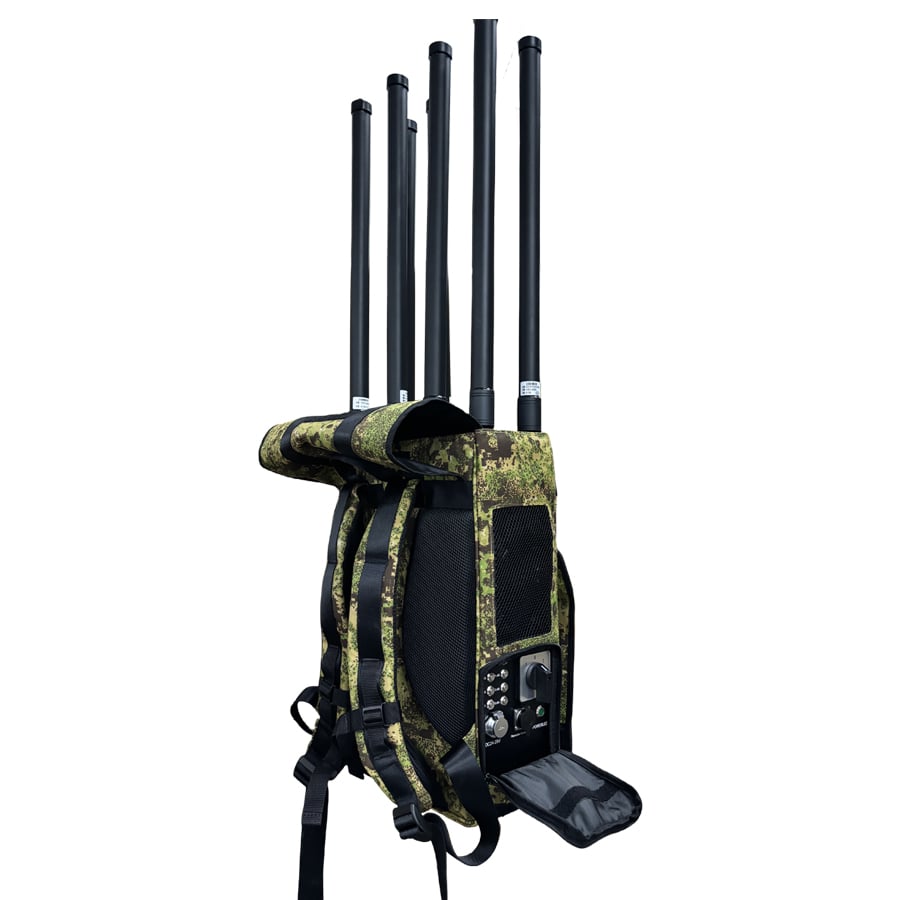
Driftsframgång beror mindre på teoretisk räckvidd än på pålitlig, åtgärdsbar störningsomfattning under verkliga förhållanden. Stadsmiljöer medför särskilda utmaningar: tät infrastruktur orsakar signaldämpning och flervägsutbredning – där reflekterade RF-vågor stör direktlinjeöverföringar och försämrar störningens sammanhang. Avancerade ryffelbärbara system hanterar detta genom riktade antenn matriser och realtidsstrålbildningsalgoritmer som dynamiskt styr nollställen bort från reflekterande ytor och koncentrerar energi mot identifierade hot. Fältvalidering i städer inklusive Berlin, Singapore och Chicago bekräftar att optimerade designerna upprätthåller en effektiv undertryckningsradie på ≥500 meter – även i höghuskanjoner och betongkonstruktioner med stålförstärkning – vilket möjliggör snabb upprättande av perimetern vid tidskritiska händelser.
Förhållanden utan siktlinje (NLOS) och ytreflektioner är de främsta orsakerna till försämring av RF-signaler i urbana områden. Multipath-effekter inte bara försvagar signaler – de introducerar fasavbrott som stör synkroniseringen av störning. Moderna lösningar minskar detta genom polarisationsdiversitet (samtidig vertikal/vågrät sändning) och adaptiv digital filtring som i realtid identifierar och undertrycker fördröjda ekovägar. Frekvenshoppande spridningsspektrum (FHSS) ökar ytterligare systemets robusthet: genom att cykla genom 20+ kanaler per sekund undviker systemet bestående interferensband – såsom de band som är överbelastade av offentlig Wi-Fi eller mobilnätets småceller. I levande urbana övningar genomförda under spektrumlaster i enlighet med EN 301 893 bibehöll dessa tekniker 87 % av störningens effektivitet jämfört med öppna fält – vilket visar på upprepelig, uppdragsgenomförlig pålitlighet i bebyggda områden.
När man möter fiendtliga drönare—särskilt smidiga plattformar på låg höjd—är latens avgörande. Högeffektiva ryggsäckar integrerar upptäcktsmotorer baserade på programvarudefinierad radio (SDR) som kan utföra fullspektrumsanalys med en bandbredd på 100 MHz och en upplösning på 12 bitar. När obehöriga drönarstyrningslänkar identifieras (via RF-fingeravtryck, protokolldekodning eller korrelation av radarkorssektion), initierar systemet målad störning inom ≤195 ms—väl under den gräns på 200 ms som validerats av DHS CISA:s testprotokoll för motdrönarsystem. Oberoende utvärderingar av Storbritanniens inrikesministeriums Nationella myndighet för skyddssäkerhet bekräftade en pålitlighetsgrad på 98 % för simulerade intrång som bryter den säkerhetsperimeter på 300 meter. Den sub-200-ms-kedjan—from upptäckt till RF-undertryckning—är det som skiljer reaktiv försvar från proaktiv neutralisering.
I högriskscenarier – fullsatta arenor, händelser med aktiva skjutare, VIP-motorcorteger – kan operatörer inte tillåta sig gränssnittskomplexitet. En drönarstörningsrygsäck som är utformad för snabb reaktion prioriterar användbarhet utan någon utbildning enkelaktivering med ett tryck startar förkonfigurerade hotprofiler (t.ex. "Quadcopter-låsning" eller "FPV-drönarundertryckning") utan att behöva navigera i menyer. Kontrollerna har taktilt skiljbara, bakgrundsbelysta knappar som fungerar även med handskar; statusåterkoppling kombinerar färgkodade LED-lampor med intuitiva ljudtoner (t.ex. stigande tonhöjd = ökad störningsintensitet). Gränssnittet följer ISO 9241-210:s principer för människocentrerad design, med högst tre hierarkiska nivåer och ingen beroende av touchscreen-input – vilket säkerställer driftsförmåga vid regn, damm eller i mörker. Detta är inte en förenkling som sker på bekostnad av funktioner; det är avsiktlig ingenjörskonst som placerar uppdragskritisk funktionalitet inom instinktiv räckvidd – så att säkerhetspersonal, evenemangsarrangörer eller första hjälpen-personal agerar bestämt, inte tveksamt.
Fråga: Vad gör bärbarhet avgörande för drönarstörningsrygsäckar?
A: Portabilitet säkerställer snabb distribution, minskar operatörens trötthet och förbättrar rörligheten under kritiska operationer i olika miljöer.
Q: Hur uppnås termisk verkningsgrad i dessa system?
A: Termisk verkningsgrad uppnås genom aktiva kylsystem, borstlösa fläktar, ångkammar för värmeutbredning och efterlevnad av MIL-STD-810H-standarder för att bibehålla prestanda vid extrema temperaturer.
Q: Hur hanterar dessa ryggsäckar RF-störningar i urbana områden?
A: Avancerade system minskar RF-störningar i urbana områden med hjälp av riktantennar, realtidsstrålformning, polarisationsdiversitet, adaptiv digital filtrering och frekvenshoppande spridningsspektrumteknik (FHSS).
Q: Vad är den typiska batteritiden för en drönarstörningsryggsäck vid maximal belastning?
A: Vanligtvis ger dessa system minst 2,5 timmes kontinuerlig störningstid per laddning vid maximal RF-belastning, vilket uppfyller standarderna enligt CUAS-IOP.
Q: Kan icke-tekniska användare driva dessa ryggsäckar?
A: Ja, dessa system är utformade för intuitiv användning med enkelskärpsaktivering, taktila knappar och förenklade gränssnitt, vilket säkerställer driftsäkerhet även i högtryckssituationer.
 Senaste nyheterna
Shenzhen Longyuan Technology tillhandahåller intelligenta lösningar mot drönare för flygplatser, arenor och kritisk infrastruktur. Reell tids RF-detektion, spårning och störning med högvinningsantenner och anpassade lösningar. Litar på av globala säkerhetsteam.
Byggnad A, Kaishangde Industrial Park, nr 1 Xinghua Road, Pingdi Sub-district, Longgang District, Shenzhen City
Upphovsrätt © 2026 Shenzhen Longyuan Technology Co., Ltd. Alla rättigheter förbehålls. Integritetspolicy
 EN
EN