
Signal jammers for drones stop rogue aircraft by sending out strong radio frequency noise across several key frequencies. The main ones are 2.4 GHz and 5.8 GHz which handle remote controls and first person view video feeds, plus the broader GNSS range from around 1.1 to 1.6 GHz covering GPS systems like Galileo and GLONASS. When these signals get flooded, they basically drown out the real communications between the drone and its operator while messing up how accurately it can navigate. Most consumer grade and professional drones then trigger their safety protocols automatically. They usually either land right away, fly back home on their own, or just hover there until things settle down. Compared to methods that actually damage the drone physically, this radio jamming approach doesn't destroy anything but still works pretty well. That makes all the difference when trying to secure areas with lots of people around, near medical facilities, or close to power plants where crashing drones would create serious problems.
Signal blockers and spoofers play very different roles when dealing with unwanted drones. Spoofers basically trick drones by sending fake GPS signals that mess with where they think they are. This requires pretty exact timing and understanding of how the signals work, plus usually knowing something about the specific drone being targeted. Spoofing can send drones to safer areas, but according to tests done by Homeland Security, it generally takes somewhere between 5 to maybe 15 seconds before the drone actually starts moving away from whatever it was doing. On the other hand, RF jammers just shut down the communication between the drone and whoever is controlling it, and this happens almost instantly, within less than 2 seconds most of the time. When emergency personnel face situations like drones dropping bombs, spying on accident scenes, or getting in the way of planes fighting wildfires, those few extra seconds make all the difference in whether people stay safe or not.
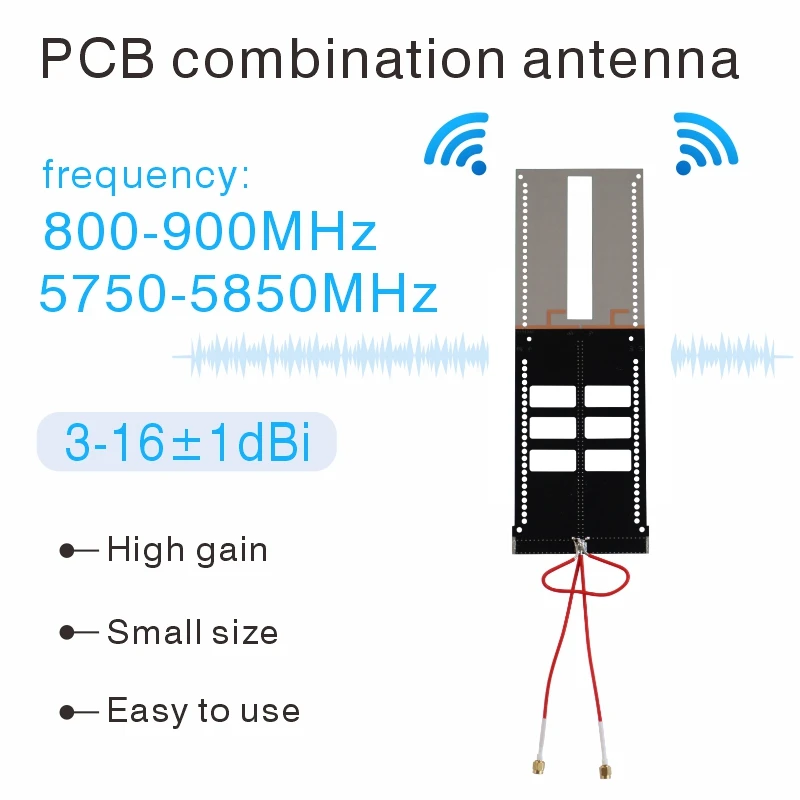
Unmanned aircraft often mess up emergency operations that need quick action. When fighting wildfires, just one hobbyist drone flying near the fire line can ground all those big planes and choppers right when they're needed most for putting out flames quickly. This delays getting things under control and puts both property and firefighters at greater risk. The same problem happens during major accidents too, whether it's after a terrorist strike, building collapse, or earthquake damage. These unauthorized drones not only interfere with how rescue teams assess injuries but also invade people's privacy while making it harder for medical helicopters to reach victims safely. Around areas where dangerous chemicals are present, drones pose an extra danger because they might spark explosive gases or block workers wearing protective gear from doing their jobs properly. Signal jammers that work on radio frequencies offer a fast solution by stopping these rogue devices across multiple communication channels without needing anyone to physically confront them. This means emergency responders can keep operating without interruption when speed and safety matter most.
Infrastructure vital to our daily lives is dealing with drone threats that keep getting smarter all the time, which means we need fast responses that don't involve shooting things down. Power plants and transmission lines are putting up signal blockers to stop drones from scouting around looking for ways to cause damage that might knock out entire sections of the electrical grid. Prisons have had a massive problem with drones dropping contraband inside their walls too. The US Department of Justice reported a shocking 200% increase in these illegal deliveries since 2021, so now radio frequency disruption has become pretty much standard practice for securing perimeters. Military bases and government buildings also turn on approved signal jammers when there's heightened security concern to keep spies away and safeguard important operations. These systems basically make invisible bubbles where drones can't fly by blocking specific frequencies like 2.4 GHz, 5.8 GHz, and GPS signals. What makes this approach work well in cities is that it doesn't destroy anything nearby, unlike other methods that could accidentally hit innocent targets.
The FCC doesn't allow anyone to block radio signals without permission according to 47 U.S.C. § 333. For regular folks, trying to use those drone jammers is still against the law. That changed somewhat in 2020 when Congress passed something called the Preventing Emerging Threats Act. This created limited exceptions specifically for government agencies at different levels who deal with emergencies. Police and other first responders need special approval from DOJ before they can legally use these devices. They also have to follow strict rules set by DHS regarding how to handle drones. These exceptions only work when there's a real threat going on right now, like someone spying illegally, people's lives being endangered, or important systems getting disrupted. If someone uses a jammer without proper clearance, they could face serious criminal charges plus fines that go way beyond $100k as warned in the FCC Enforcement Advisory from last year.
The Counter-Unmanned Aircraft Systems Framework from the Department of Homeland Security sets pretty strict rules about how RF disruption gear can be used. Basically, only those agencies that have gone through proper DHS training, have written plans for assessing threats, and possess officially certified equipment are allowed to turn on these signal blockers. Before anyone gets to actually deploy them, there needs to be immediate proof that some drone really does present an urgent risk to people, buildings, or something essential to operations. Every operator has to document why they're doing this stuff too - when it happened, where exactly, what kind of drone if possible to identify, and most importantly why they believe there's a genuine threat involved. The jamming itself shouldn't go overboard though. Power levels need to stay low, the blocking shouldn't last long, and it definitely shouldn't spread beyond necessary areas so as not to mess up other important communications like those used by emergency services, planes flying overhead, or even medical devices relying on wireless signals. And once whatever danger has been taken care of, transmissions must stop right away followed by all the required paperwork according to each agency's specific protocols.
Getting this right depends heavily on managing risks properly, not just having good tech. Operators need to work with directional antennas and adjust power settings so RF disruptions stay exactly where they should be, without messing up nearby communication towers, hospital telemetry equipment, or aviation navigation systems. Situational awareness matters a lot in real time situations. Take wildfires for instance. Before turning on any jamming devices, operators have to check if there are any emergency medical helicopters or fixed wing air ambulances coming into the area. When shutting down operations, following controlled termination procedures helps keep drones from acting strangely like crashing uncontrollably or drifting sideways unexpectedly. Keeping an eye on airspace throughout the operation makes sure authorized aircraft such as police drones or command center platforms aren't impacted. Looking back at what happened after deployment tracking things like interference patterns, operator choices, and how threats were resolved helps improve processes over time and builds trust that these tools are being used legally and appropriately.
Drone signal blockers primarily target the 2.4 GHz and 5.8 GHz frequencies used for remote controls and video feeds, along with the GNSS range of 1.1 to 1.6 GHz which includes GPS systems.
RF jammers can disrupt drone communications almost instantly, often within less than 2 seconds.
No, only specific government agencies with proper authorization can legally use drone signal blockers. Unauthorized use can result in severe fines and criminal charges.
Drone signal blockers are non-destructive, preventing physical harm to nearby people and property compared to destructive methods such as shooting down drones.
The use of drone signal blockers is regulated under the 2020 Anti-Drone Act and the Counter-Unmanned Aircraft Systems Framework established by the Department of Homeland Security.

Shenzhen Longyuan Technology provides intelligent counter-drone systems for airports, stadiums & critical infrastructure. Real-time RF detection, tracking, and jamming with high-gain antennas and custom solutions. Trusted by global security teams.
Building A,Kaishangde Industrial Park,No. 1 Xinghua Road, Pingdi Sub-district, Longgang District, Shenzhen City
Copyright © 2026 Shenzhen Longyuan Technology Co., Ltd. All rights reserved. Privacy Policy
 EN
EN


 Hot News