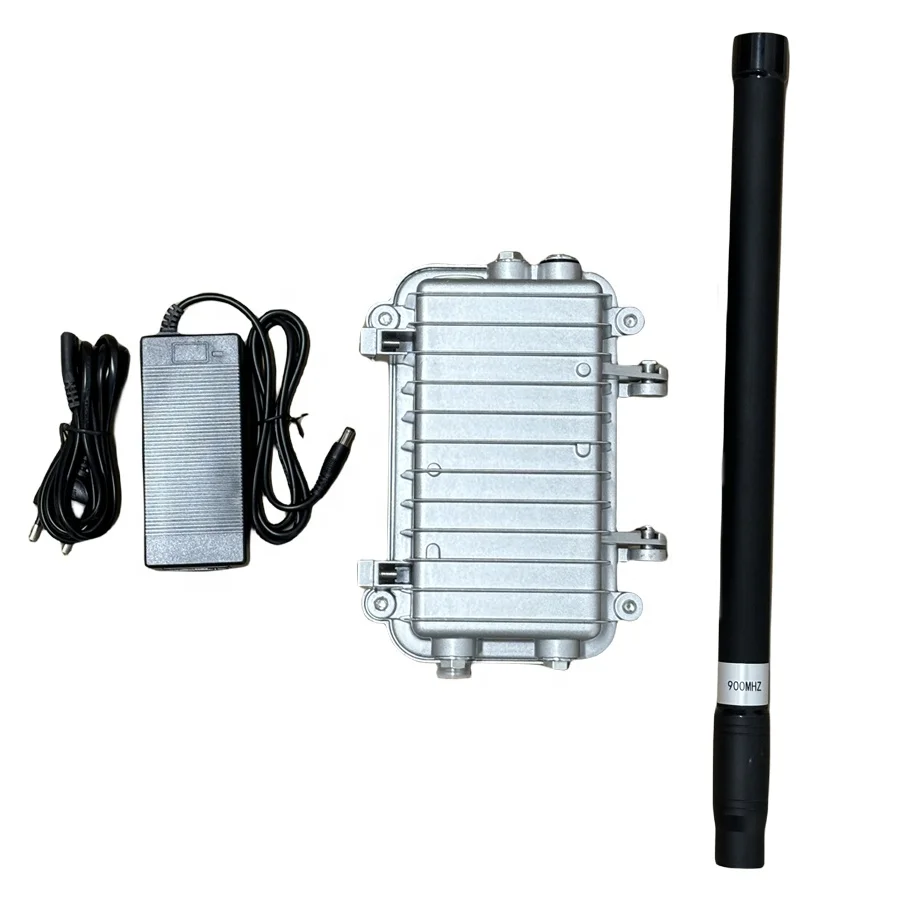
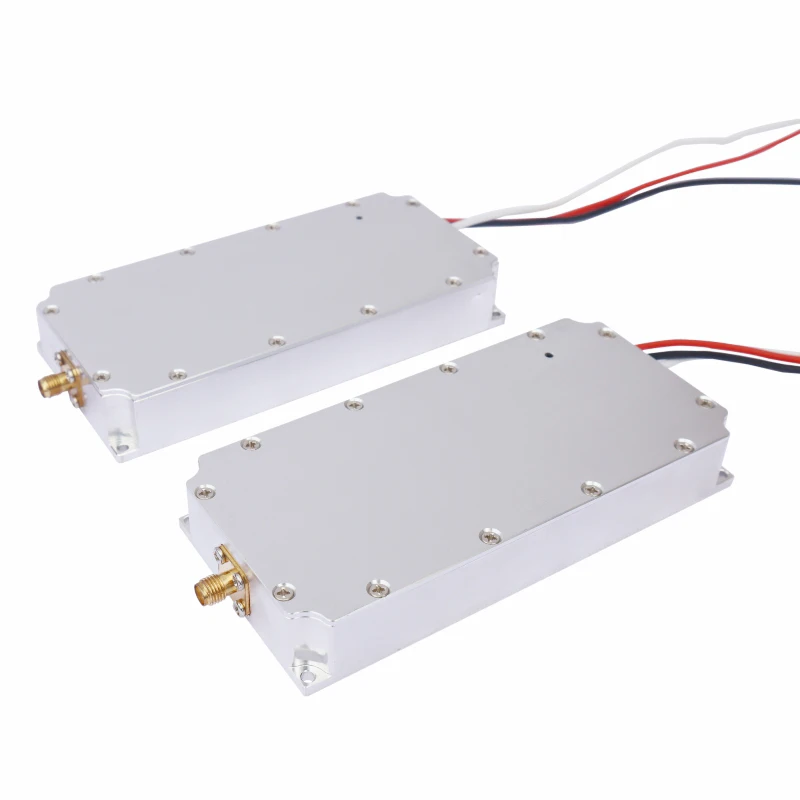
Mamlakat bo'ylab infrastruktura ob'ektlari dronlarning qurol sifatida ishlatilishidan kelib chiqqan jiddiy yangi xavflar bilan duch kelmoqda. Quvvat transformator stansiyalarida dronlar aslida jihozlarga yonuvchi moddalarni tushirgan bir necha hollat sodir bo'lgan, bu esa butun mahallalarga elektr ta'minoti yetkazilmagan keng ko'lamli elektr uzilishlariga olib kelgan. Suvni tozalash markazlari ham shu tarzda zararli moddalar bilan yuklangan dronlarni to'xtatishga harakat qilish haqida o'xshash voqealarni aytishmoqda. Shu zavodlarga bitta muvaffaqiyatli kirish faqatgina oylik davom etadigan ifloslangan suv ta'minoti oqibatini keltirib chiqarishi mumkin. Harbiy qismlar ham o'z muammolariga ega: o'tgan yili faqatgina yuzdan ortiq dronlarning chegarani buzish hollatlari kuzatilgan. Ularning ba'zilari avvalo himoya tizimlarini xaritalash maqsadida bazalarga yaqin uchib, so'ngra portlovchi moddalarni tushirgan. Bu hujumlar nima uchun shunchalik samarali? Katta ob'ektlar tabiiy ravishda himoya qilish uchun keng hududlarga ega, havo orqali kuzatuv etarli emas va hech qanday uzilishga yo'l qo'ymaslikka majbur bo'lgan operatsiyalarga ega. So'nggi tadqiqotlarga ko'ra, har bir hodisa natijasida millionlab dollarga teng pul yo'qotishlar sodir bo'lmoqda. Yer yuzidagi xavfsizlik tizimlari devorlar va panjaralardan osongina o'tib ketadigan, maydoni kichik, lekin aqlli uchuvchi xavflarga qarshi samarali emas.
Yovuz odamlar haqiqiy muammolarga sabab bo'ladigan usullarda dronlardan foydalanmoqda. Ularning hujumlarini rejalashtirish boshlanishi — xavfsizlikning qayerda zaif va muhim jihozlar qayerda joylashganini ko'rsatuvchi tafsilotli rasmlar olish uchun ularni aylanib uchirishdan boshlanadi; bu rasmlar so'ngra aniq maqsadga yo'naltirilgan hujumlarni rejalashtirishda yordam beradi. Oddiy iste'molchilar uchun mo'ljallangan dronlarga o'zgartirishlar kiritilib, ular elektr transformatorlariga nishonlangan portlovchi moddalarni tushirish, boshqaruv tizimlari ishonchli ishlashiga zarur bo'lgan signallarni to'sib qo'yish yoki hatto suv ta'minotiga kimyoviy moddalarni tarqatish qobiliyatiga ega qilinadi. Biz shunday xabarlar bilan tanishdikki, butun operatsiya maqsadlarni kuzatishdan boshlab, istalgan narsani tushirishgacha atigi yarim soat ichida amalga oshirilgan. Buni qanchalik qo'rqinchli qilayotganini — barcha jarayonning qanchalik osonligi tashkil qiladi. Kimdir beshta ming dollardan arzonroq oddiy dron sotib olib, unga o'nta kilometr masofaga besh kilogrammlik yukni olib borish imkoniyatini berishi mumkin. Bu tahdidlar oddiy kuzatuvdan haqiqiy zararga o'tganda, kelajakdagi voqealarni to'xtatish uchun qolgan vaqt tobora kamayib bormoqda. Shu sababli ham dron aloqalarini dastlabki bosqichda to'xtatish shunchalik muhim — masalan, uzoqdan boshqarish vositalarini bloklaydigan signallarni to'sib qo'yuvchi jammerlar, hech nima tushirilishidan oldin ulardan foydalanganda eng yaxshi natija beradi.
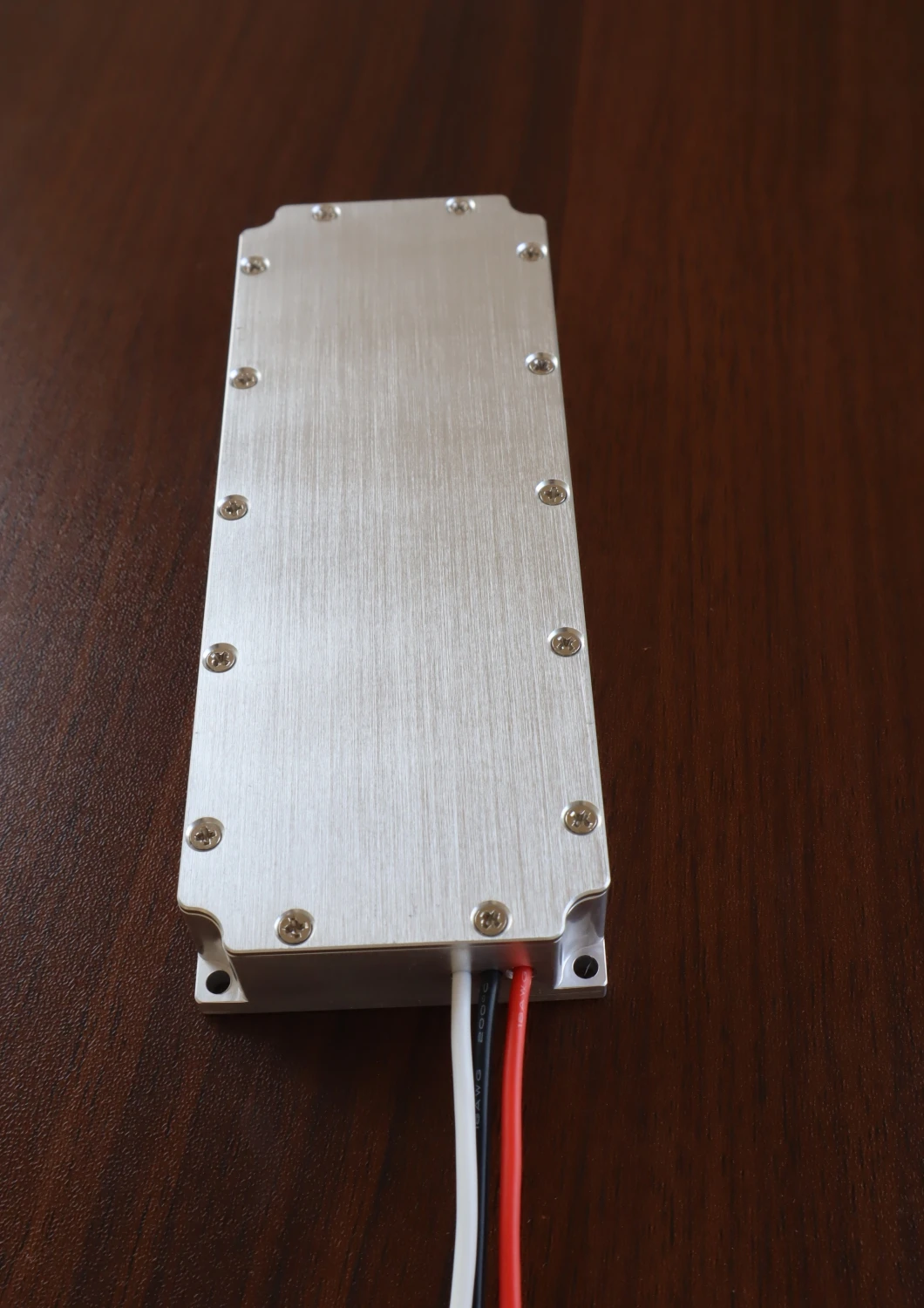
Drone signallarini bloklaydigan qurilmalar, drone’larning ulanib turish uchun foydalanadigan chastotalarga ta’sir qiluvchi markazlashtirilgan radio to‘lqinlar chiqarib ishlaydi. Bu, aksariyat operatorlar o‘z parvoz qiluvchi qurilmalari bilan aloqa qilishda foydalanadigan 2,4 GHz va 5,8 GHz kabi oddiy chastota diapazonlarini o‘z ichiga oladi. Shu bilan birga, bu tizimlar GPS, GLONASS va Galileo satellit navigatsiya tarmoqlaridan keladigan signalni ham bloklaydi. Aloqa va joylashuv ma’lumotlari bir vaqtda buzilganda, aksariyat savdo do‘konlarida sotiladigan drone’lar avtomatik ravishda o‘zlariga o‘rnatilgan xavfsizlik funksiyalarini faollashtiradi. Bu odatda drone’ning darhol qo‘nish yoki u parvozni boshlagan joyga qaytib ketishini anglatadi. Xavfsizlik xodimlari bu usulni juda foydali deb hisoblaydi, chunki ular fizik ravishda aralashmasdan noqonuniy havo intruziyalarini to‘xtata oladi. O‘tgan yili Ponemon Institutining nashr etgan tadqiqotiga ko‘ra, shunday siqish (jamming) texnologiyasini joriy etgan tashkilotlarda drone buzilishlari bilan bog‘liq zararlar ancha kamaygan — aniqrog‘i, an’anaviy javob choralarga tayanadigan tashkilotlarga nisbatan taxminan uchdan ikki baravar kamroq bo‘lgan.
Avvalo, dronlarga qarshi texnologiyalar keng polosali siqish deb ataladigan usuldan foydalangan, ya'ni butun chastotalar diapazoni to'ldirilgan. Bu oddiy aloqa vositalari, masalan, Wi-Fi tarmoqlari va hatto favqulodda vaziyatlarda ishlatiladigan radio tizimlari uchun turli xil muammolarga sabab bo'lgan. Biroq zamonaviy dron siqish usullari ancha yaxshiroq ishlaydi. Ular avvalo spektrni tahlil qilib, dronlar tomonidan qaysi chastotalar ishlatilayotganini aniqlaydi, so'ng shu bo'yicha chora ko'radi. Operatorlar keyinchalik ISM 5,8 GHz diapazoni yoki GNSS L1/L2 signallari kabi aniq chastota diapazonlariga e'tibor qaratishlari mumkin. Bu esa dronlarni boshqa muhim aloqa vositalarini buzmasdan juda aniq to'xtatish imkonini beradi. FCCning 2024-yilgi spektr bo'yicha yangi qoidalarga ko'ra, bu usul avvalgi usullarga nisbatan noxoh o'z-o'zidan vujudga keladigan uzilishlarni taxminan 90% ga kamaytirgan. Quvvat transformator stansiyalari va suv tozalash markazlari kabi ob'ektlar bu maqsadga yo'naltirilgan himoyadan keng foydalanadi, chunki bu ularning normal ishlash jarayonida hech qanday keraksiz uzilishlarsiz barqaror ishlashini ta'minlaydi.
Drone signallarini bloklaydigan qurilmalardan foydalanish operatorlar uchun jiddiy huquqiy majburiyatlar bilan keladi, ularni chuqur tushunish kerak. Havo fazosiga ruxsatlarni FAA barcha hollarda beradi, shu bilan birga FCC radio chastotalari bilan ruxsatsiz aralashishga qat'iy qarshi qo'llaniladigan qat'iy qoidalar e'lon qilgan. Faqat ayrim davlat agentliklari, ayniqsa Vatan xavfsizligi vazirligining ko'rsatmalariga amal qiluvchi agentliklar, nuklear elektr stansiyalari yoki armiya ob'ektlari kabi nozik joylarda ushbu bloklovchi tizimlarni ishga tushirish huquqiga ega. Har qanday siqish qurilmasini ishga tushirishdan oldin Vatan xavfsizligi vazirligi haqiqiy xavf haqida mustahkam dalillarni talab qiladi, shuning uchun aksariyat siqish faoliyati faqat yaqin atrofda xavfli drone-lar borligi aniq dalillarga asoslanganda amalga oshiriladi. Agar kimdir mos ruxsatnomasiz ushbu qurilmalardan foydalansa, u FCC tomonidan jiddiy jazolarga duch keladi: ba'zan o'nlab ming dollarlik jarimaga hamda ehtimoliy qamoq jazosiga ham sabab bo'ladi. Rasmiy kanallar orqali faoliyat yurituvchi barcha operatorlar boshqa muhim drone-larning, masalan neft quvurlari holatini tekshirish kabi vazifalarini bajarishini noxoh o'zgartirmaslikka ishonch hosil qilish uchun maxsus chastotalarga bag'ishlangan maxsus trening kurslarini tamomlashlari kerak. Bu ko'p qatlamli nazorat tizimi havo xavfsizligi standartlarini saqlash hamda mamlakatimiz aloqa spektri resurslarini to'g'ri boshqarishga yordam beradi.
Faqat dronlarga nisbatan signal bloklovchilarga tayaning signallarni bloklovchi bugungi kunda biz yuzlagan barcha xavf-xatarlarga qarshi havo fazosini himoya qila olmaydi. Haqiqiy himoya uchun bu jamming qurilmalari kengroq dronlarga qarshi tizim doirasida birgalikda ishlashi kerak. Eng yaxshi konfiguratsiyalar turli xil aniqlash usullarini birlashtiradi: RF-sensorlar dron signallarini qabul qiladi, radiolokator ularning uchish yo'nalishini kuzatadi va kamerlar tashqi voqealarga vizual dalil beradi. Tadqiqotlar shuni ko'rsatadiki, barcha ushbu tizimlar birgalikda ishlaganda ular deyarli barcha ehtimoliy xavf-xatarlarni aniqlay oladi. Agar nima bo'lmasin, bu birinchi himoya chiziqlaridan o'tib ketaversa, signal bloklovchi oxirgi himoya vositasi sifatida ishga tushadi va dronni boshqaruvchi barcha aloqa vositalarini uzadi. Bu qatlamli yondashuv xavfsizlikdagi bo'shliqlarni kamaytiradi va javob choralari haqiqiy xavf darajasiga mos kelishini ta'minlaydi.
Drone xavflari quvvat transformator stansiyalariga yonuvchi moddalarni tushirish, suvni tozalash markazlarida suv manbalarini ifloslantirish va portlovchi moddalarni harbiy bazalarga yetkazishni o'z ichiga oladi.
Drone signallarini bloklaydigan qurilmalar aloqa ulanishlarini va yo'nalishni aniqlash uchun sun'iy yo'ldosh signallarini buzadi, natijada drone yoki xavfsiz qo'nadi yoki avtomatik ravishda boshlang'ich joyiga qaytadi.
Ha, FAA va FCC qattiq qo'llanmalar e'lon qilgan, shuningdek, faqat DHS tarkibidagi ayrim agentliklar himoyalangan ob'ektlarda ularni ishlatish huquqiga ega.
 Issiq yangiliklar
Shenzhen Longyuan Technology aeroportlar, stadionlar va strategik muhim infrastrukturaga ega bo'lgan aqlli dronlarga qarshi tizimlarni taqdim etadi. Yuqori kuchlanishli antennalar va maxsus yechimlar bilan real vaqtda RF aniqlash, kuzatish va to'sib qo'yish. Xavfsizlik tashkilotlari tomonidan ishonch bilan foydalaniladi.
A binosi, Kaishangde sanoat parki, Xingxua ko'chasi 1-uy, Pingdi tuman, Longgong tumani, Shenzhen shahri
Nashr huquqi © 2026 Shenzhen Longyuan Technology Co., Ltd. ning nashr huquqi hamda barcha huquqlari himoyalangan. Maxfiylik siyosati
 EN
EN